Tubman Play

Proposal for the Friends of Tubman board

A one-of-a-kind Chicago play park, built in phases.

The play spaces that people travel to see are built from earth, wood, stone, trees, and things children can move. Catalog structures and poured rubber are the costliest parts of a conventional playground. A landscape approach can shrink both. Research, 80+ photos from around the world, and what it could mean at Tubman.

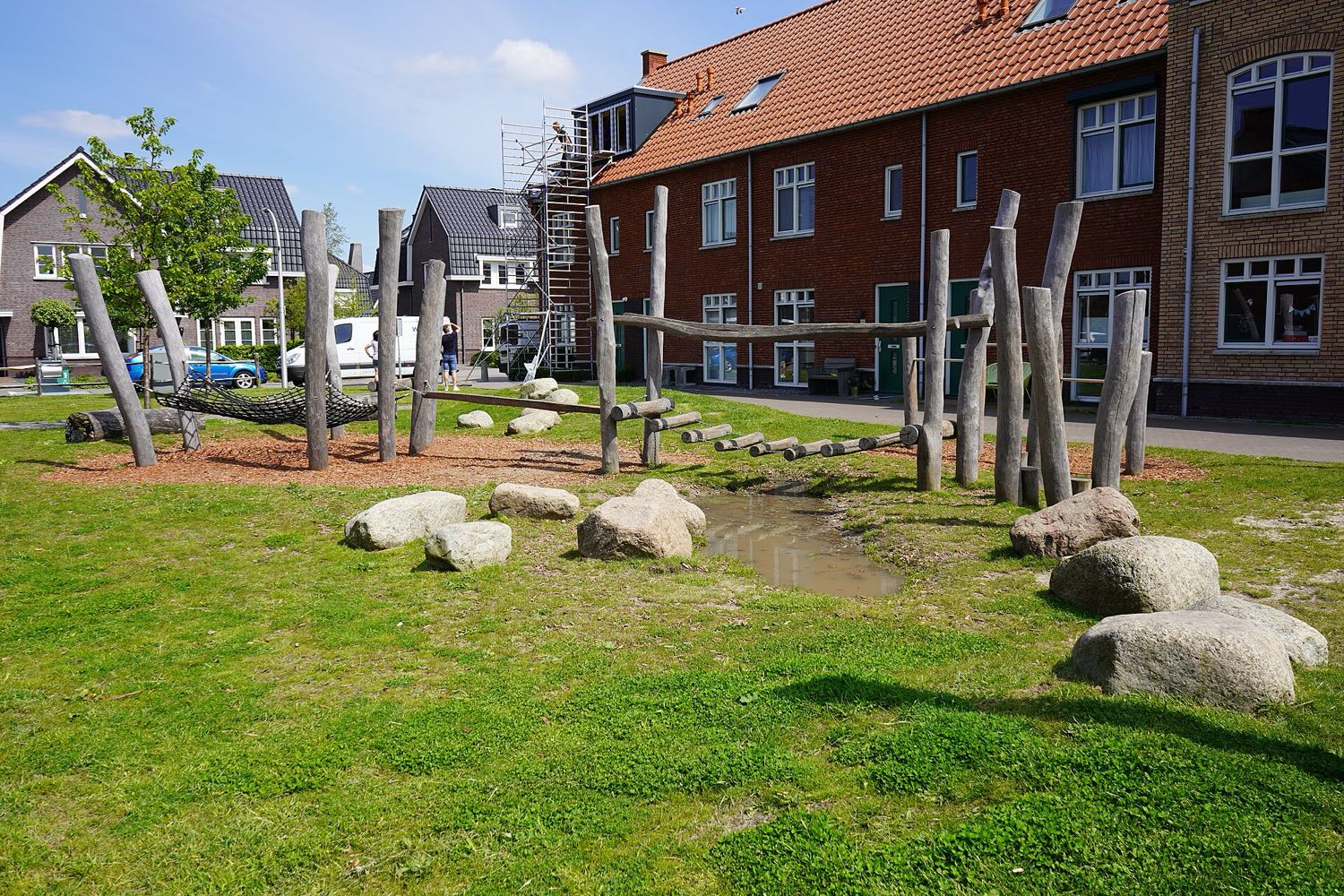
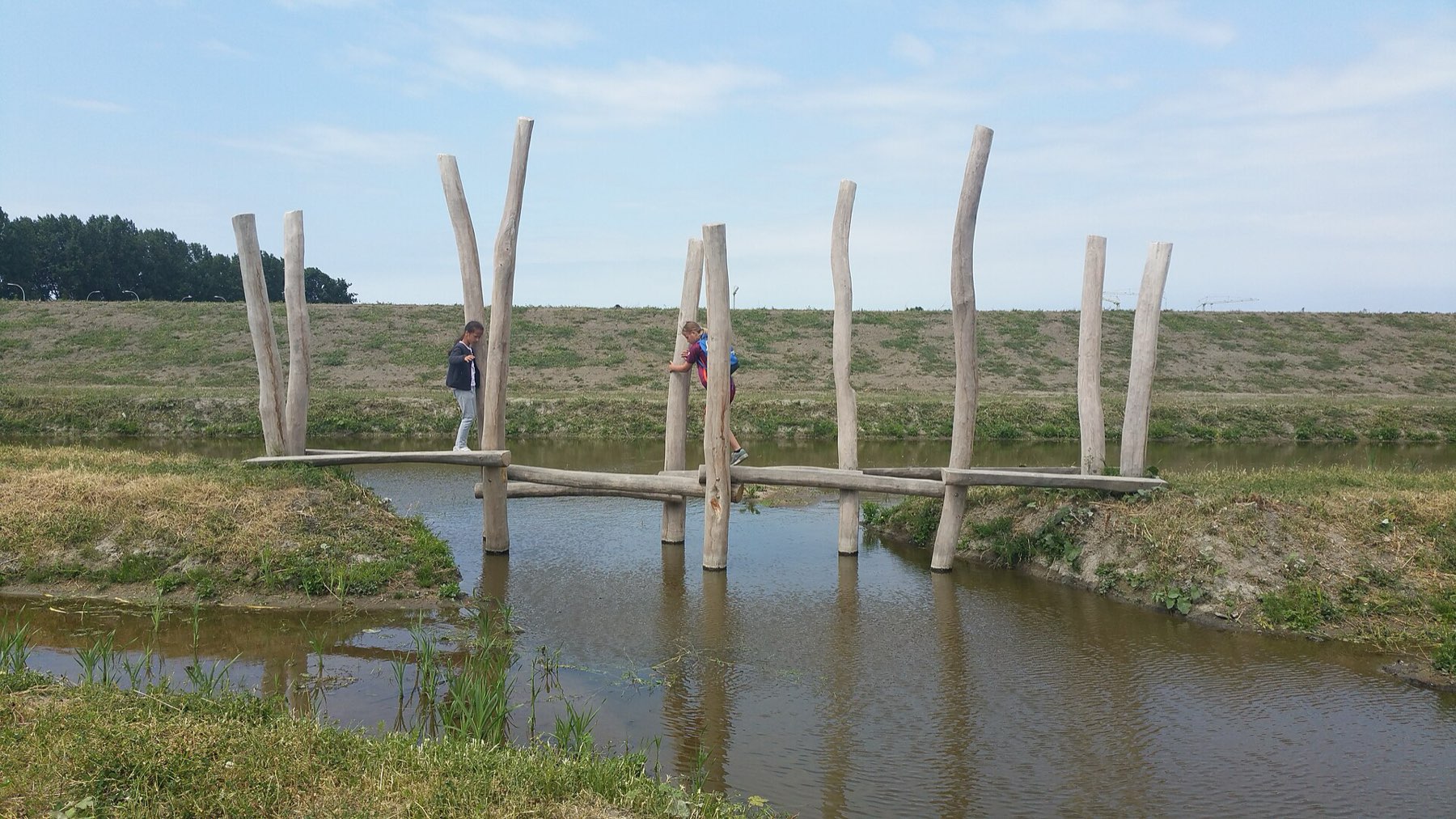
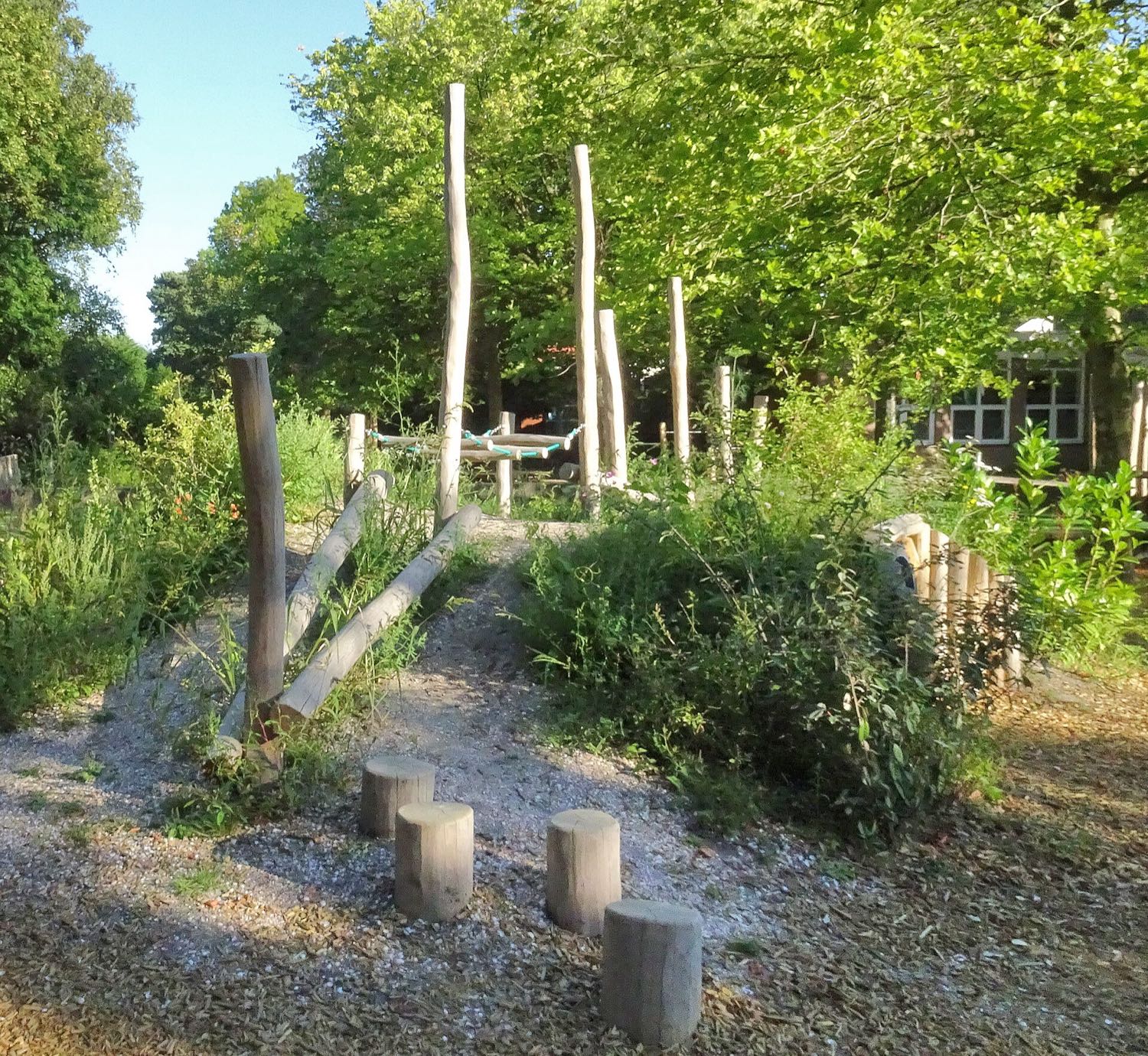
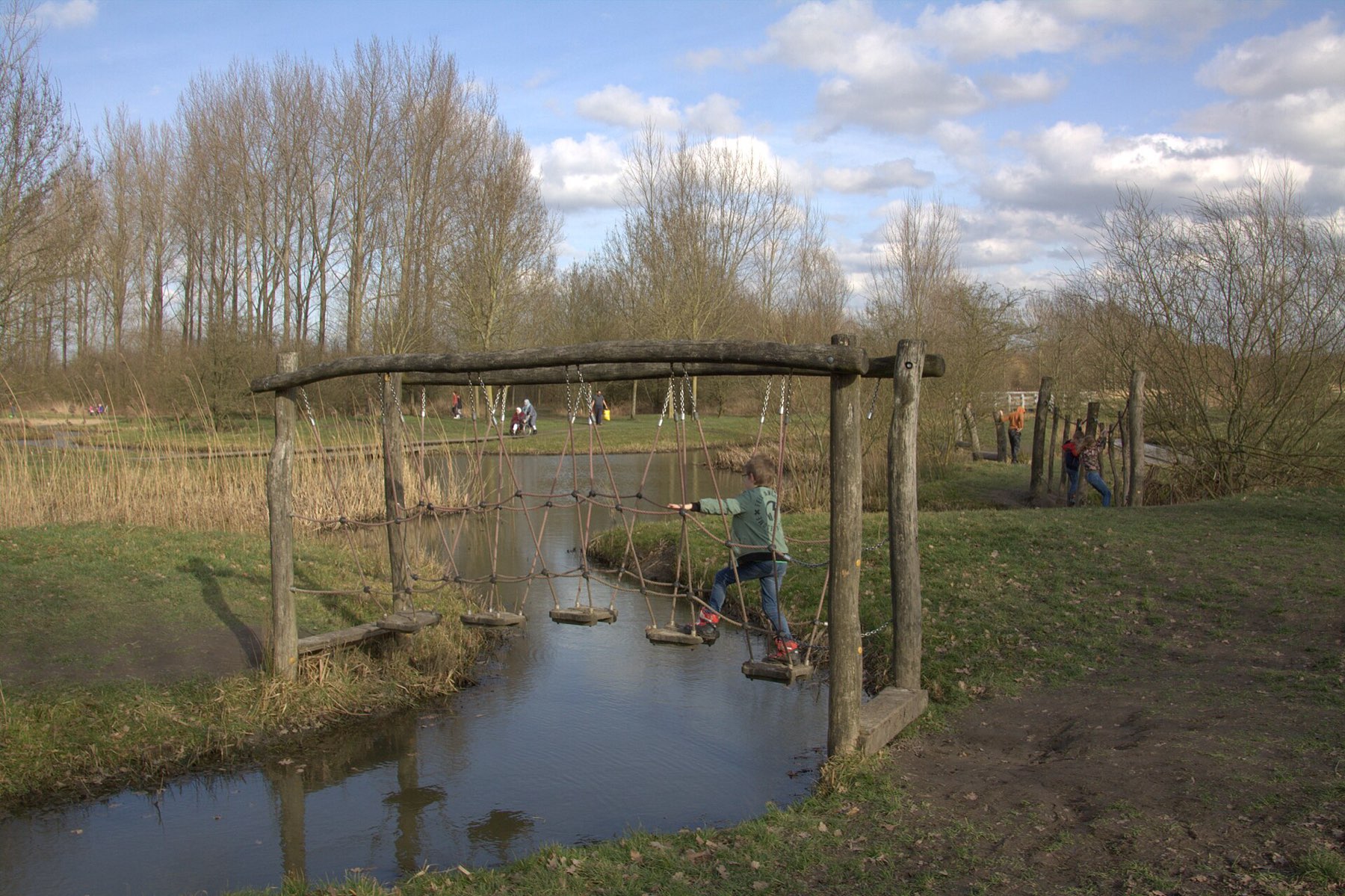
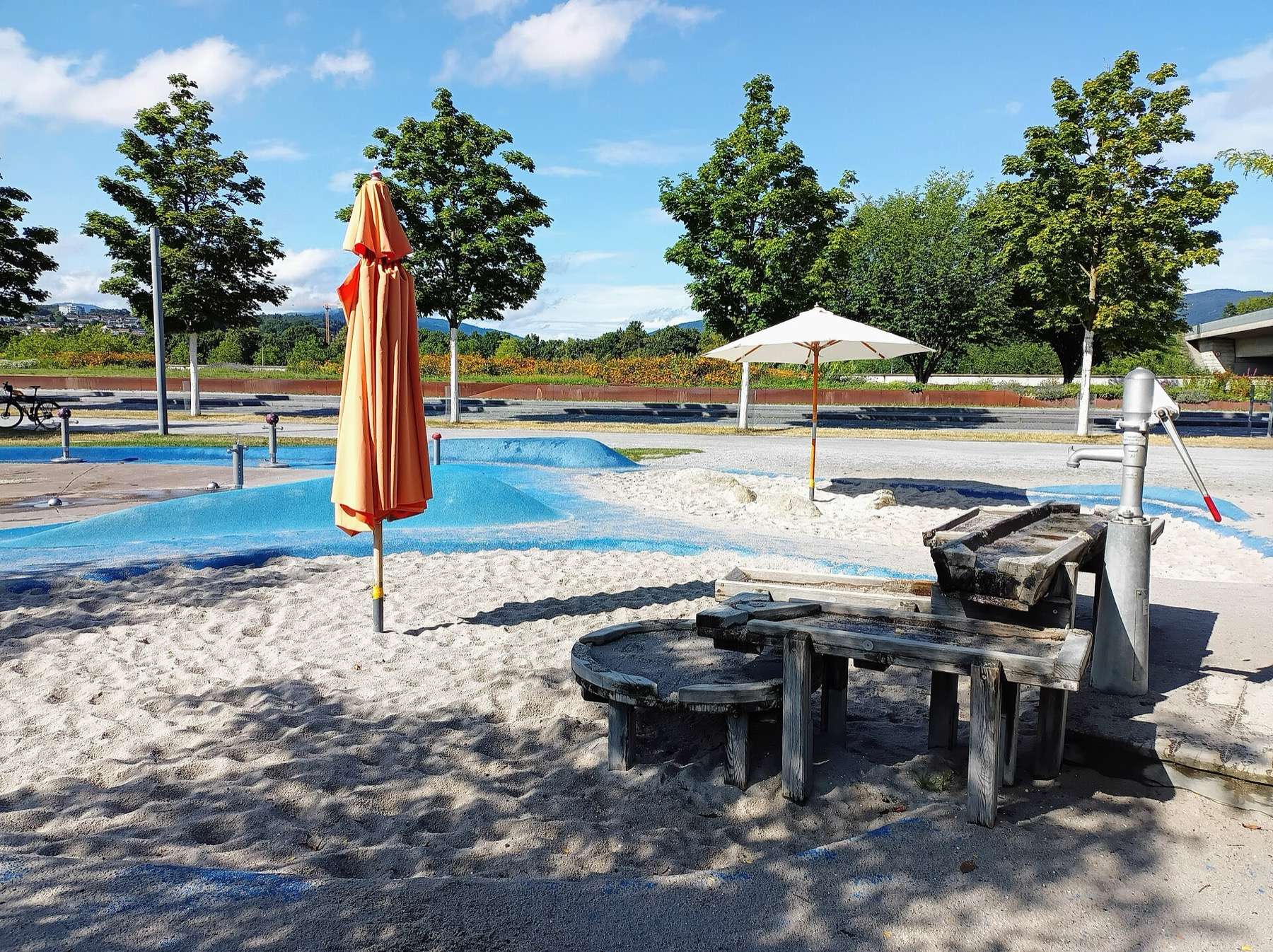
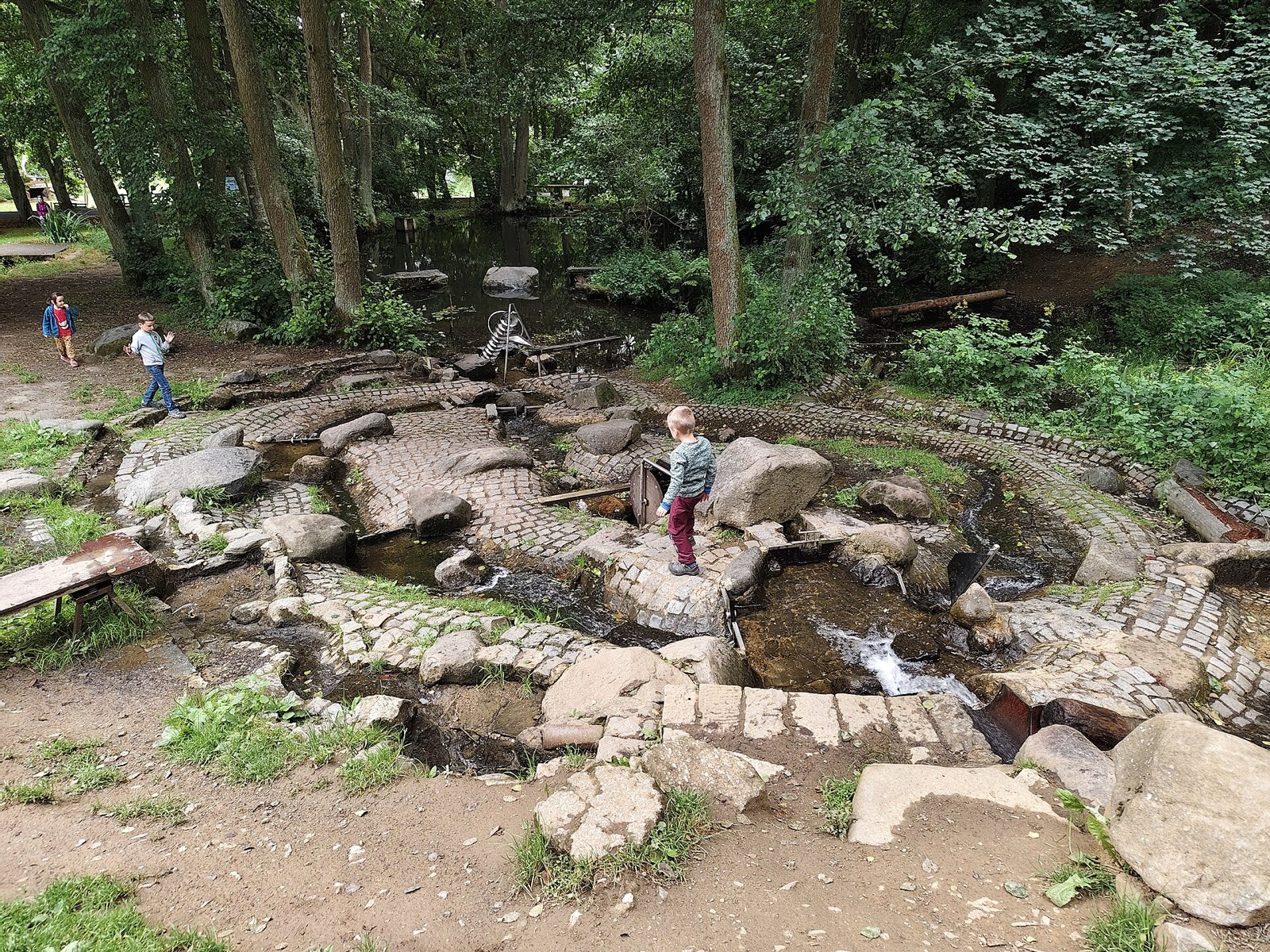
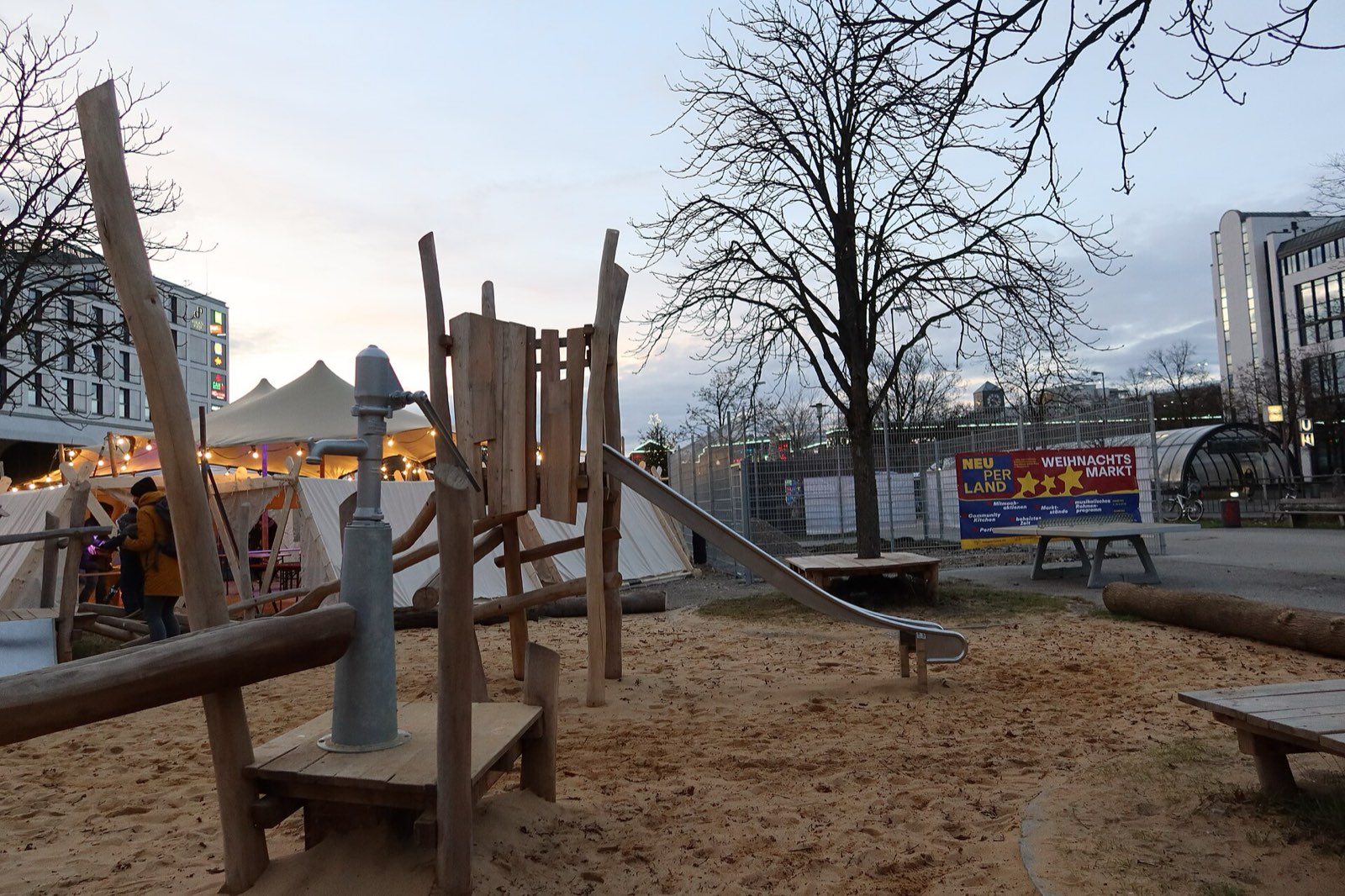
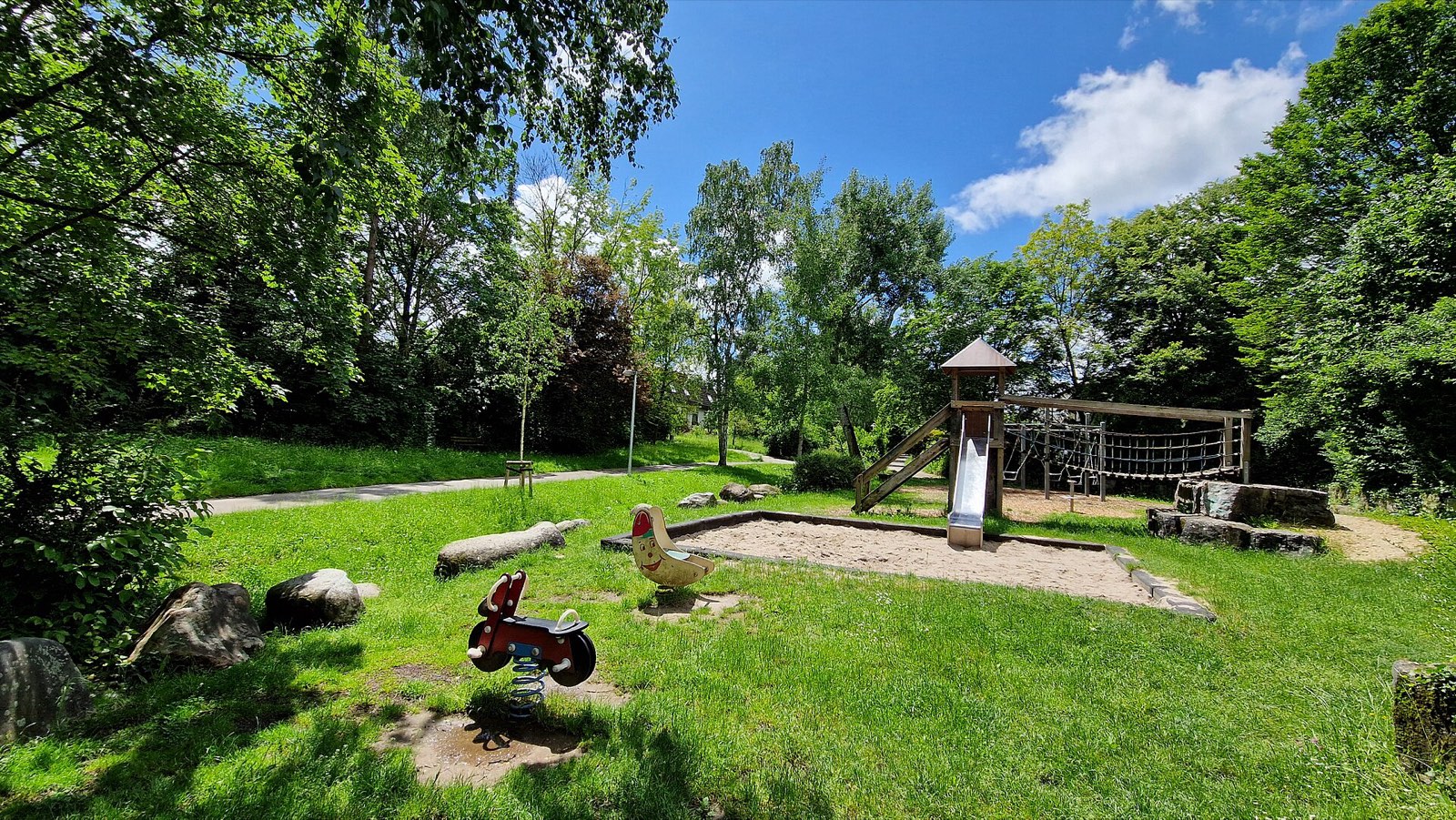
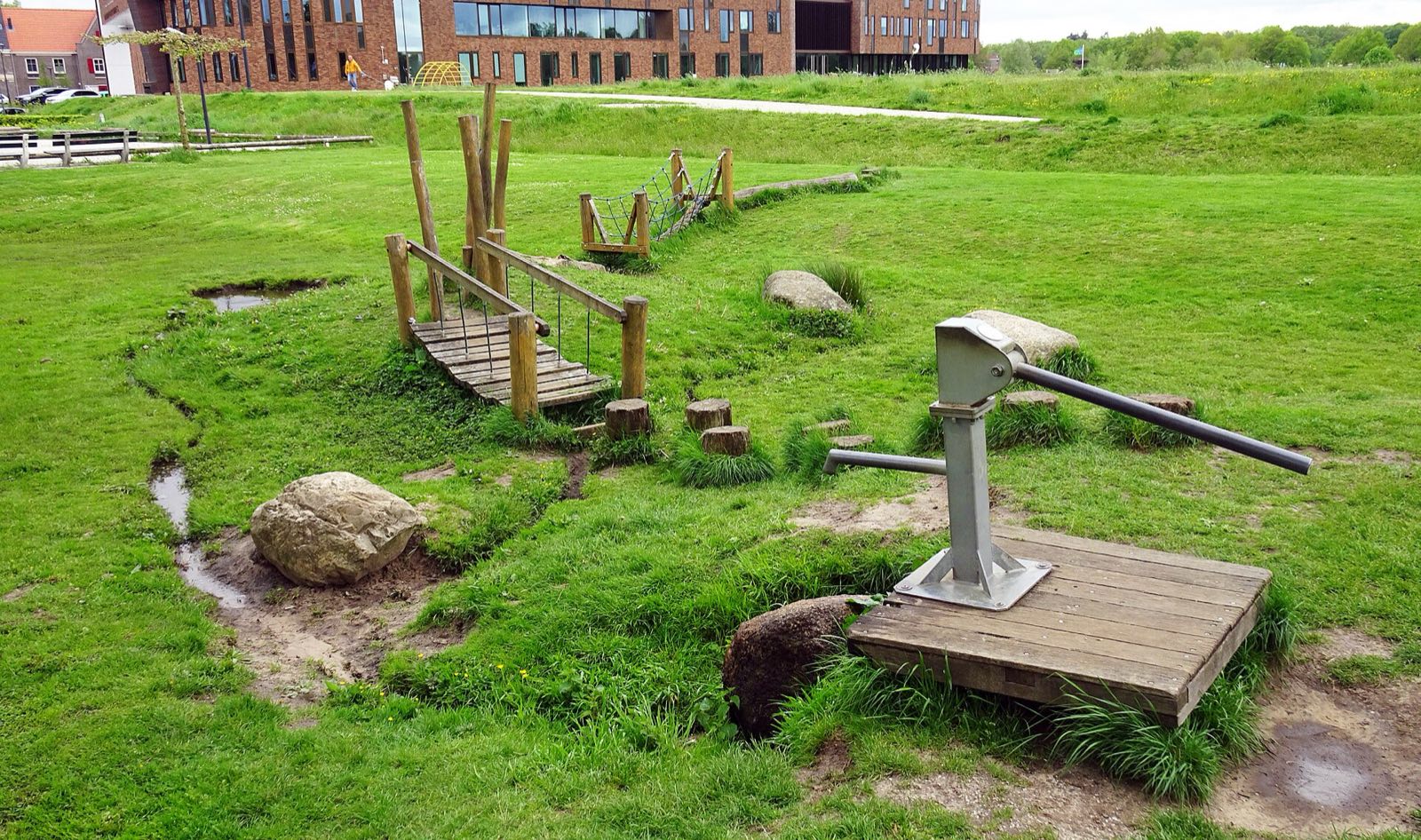
Dalfsen, natural play area with hand pump, plank bridge, stepping stumps and boulders
Dalfsen, natural play area with hand pump, plank bridge, stepping stumps and boulders, Dalfsen, Netherlands. Photo: Nanda Sluijsmans from Den Haag, Nederland, CC BY-SA 2.0.

What this park has to do

It is a school playground first. It is also meant to be a neighborhood park. Every idea below is checked against that.

Ages 5 to 12The main yard, used at recess by hundreds of students with a few adults watching.
Ages 2 to 5A separate, fenced area with its own scale, rules, and schedule.
Neighborhood useOpen after school and on weekends if the school agrees. Needs gates, lighting, and seating.
Limited budgetFriends of Tubman is raising about $1 million. The plan has to work in phases.

These are working assumptions from the project notes. Site dimensions, budget details, and after-hours access are still to be confirmed.

The hard questions, answered plainly

Is this safe?

Playground safety in the U.S. follows the CPSC handbook and ASTM standards, and every element here would be specified and inspected against them by the design team. Children in the studies on adventurous play took small, chosen risks, and the reviews link that to more activity and better social health, with the caveat that much of the evidence is low quality. Nothing on this site is a compliance claim.

Will it cost millions?

The goal is about $1 million, the same as the current effort. Poured rubber costs roughly 5 to 10 times more per square foot than wood fiber in vendor price lists, and small nature-play areas have been built for $15,000 to $60,000 in materials. No study shows a whole yard costs less than a conventional one, so the honest claim is more play per dollar. The Budget section shows the sources and what is still unpriced.

Who maintains it?

Every chapter lists its upkeep. Logs and ropes get scheduled inspection. Trees and planting need watering for the first years. A loose-parts yard needs a person. The plan puts each of those in the open so the board can pick what it can sustain, and starts with the parts that need the least.

Will children actually use it?

Adventure playgrounds, nature playgrounds, and swing bays in the photos have been operating for years in cities across the world, and the photos show them in use. The design step includes asking Tubman students what they want, since they are the people who know what recess is like now.

Does it work for a school and a neighborhood at once?

It has to be checked with CPS. The layout separates a fenced 2 to 5 area from the 5 to 12 yard, keeps sightlines for recess staff, and designs seating, water, gates, and lighting for after-hours use. Whether the site opens to neighbors, and on what hours, is a decision for the school.

What if the money falls short?

That is why the plan is in phases. Each phase stands on its own. The first phase is the anchor and the shade. Later phases add variety and things that need staff. Nothing in phase 1 depends on phase 3.

What the research shows

No study identifies one best playground. The evidence points toward offering several kinds of play, and its strength varies. Each finding below names how strong it is.

No single feature is the answer

A 2024 review of 51 studies found that fixed equipment, natural features, loose parts, markings and open space each helped in some studies, but none was consistently best. Since no one feature can be relied on, the safer choice is to offer several kinds of play.

Evidence: Moderate, mixed studies. Pereira et al., 2024

Greener yards tend to help

Experimental schoolyard greening studies mostly report gains in activity or social outcomes.

Evidence: Encouraging. Bikomeye et al., 2021

Risk and challenge are linked to activity

Reviews of adventurous and risky outdoor play find mostly positive links with activity and social health.

Evidence: Low quality, consistent direction. Brussoni et al., 2015

Loose parts are promising and unproven

Observed cooperative play is encouraging. Controlled studies rarely show effects on cognition or emotion.

Evidence: Weak. Gibson et al., 2017

Access is a minimum and inclusion is more

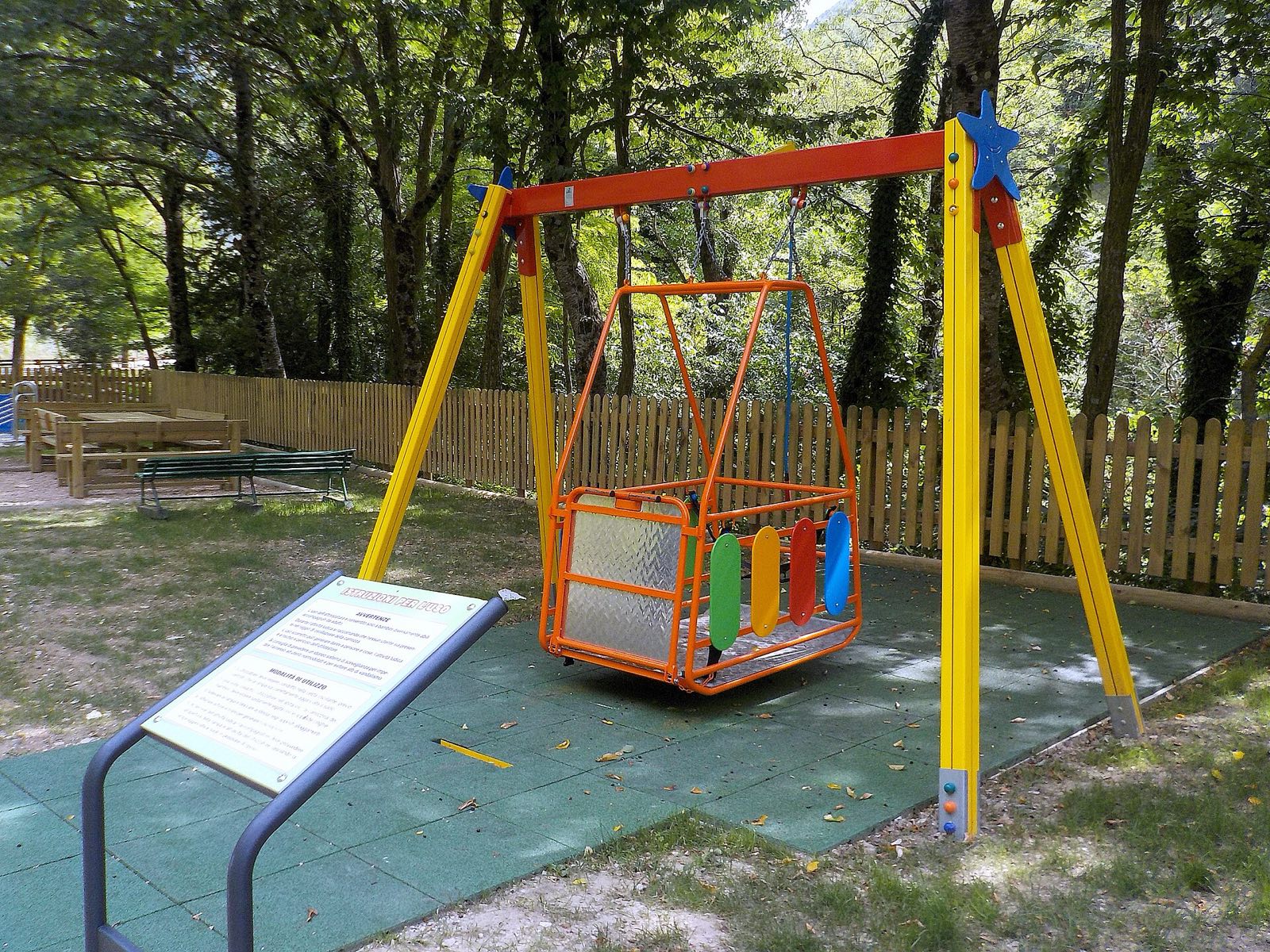
Accessible routes to ground-level play and at least half of elevated components are required. Inclusive-play guidance adds quiet spaces, companion space, and co-design.

Evidence: Regulation and practice guidance. U.S. Access Board

Shade changes how a yard is used

Trees cool the air and surfaces. Playground surfaces and metal equipment can burn on sunny days. Shade needs to reach the play area.

Evidence: Strong on heat, less on play outcomes. EPA

01

A hill everyone can reach

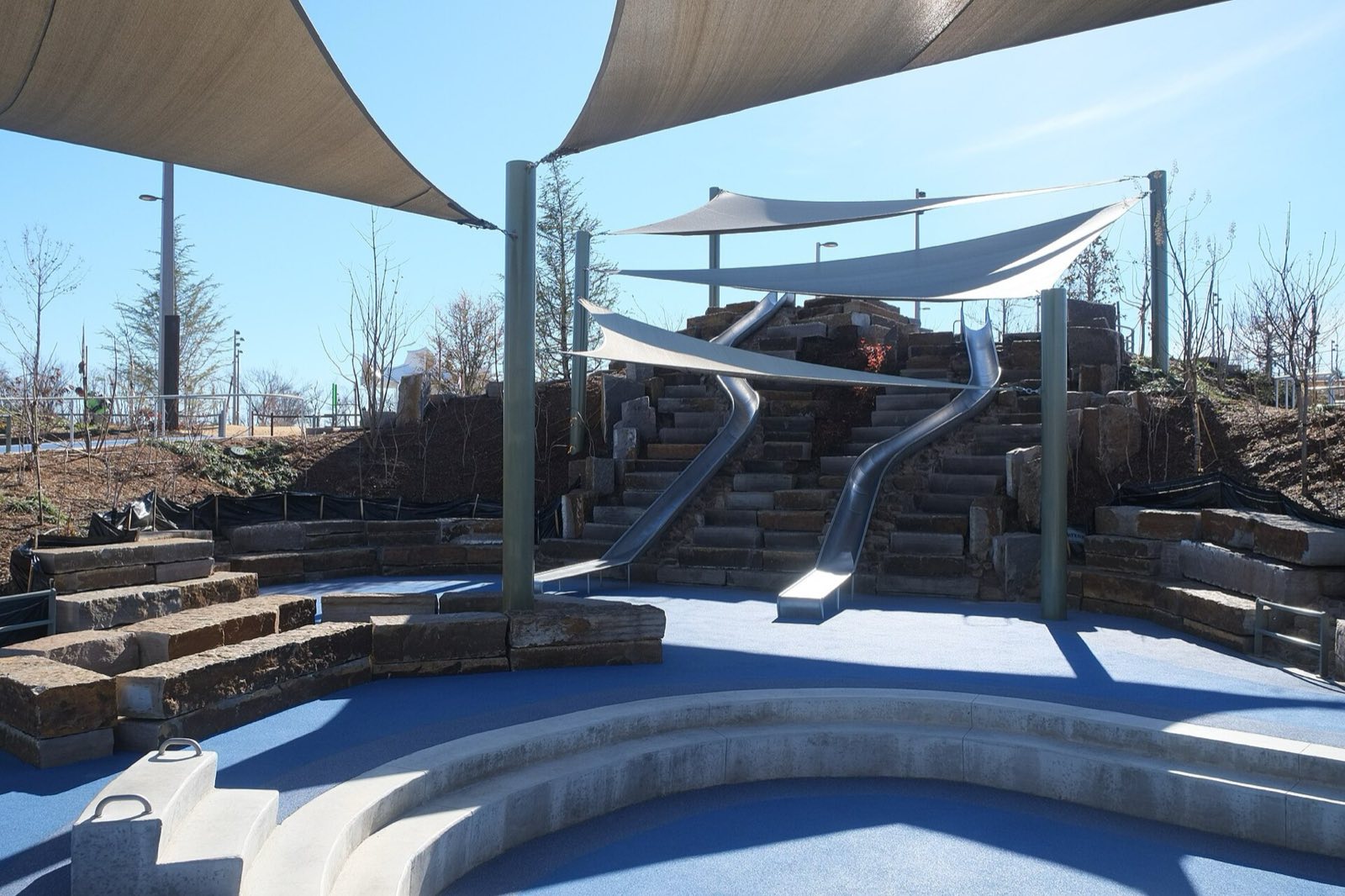
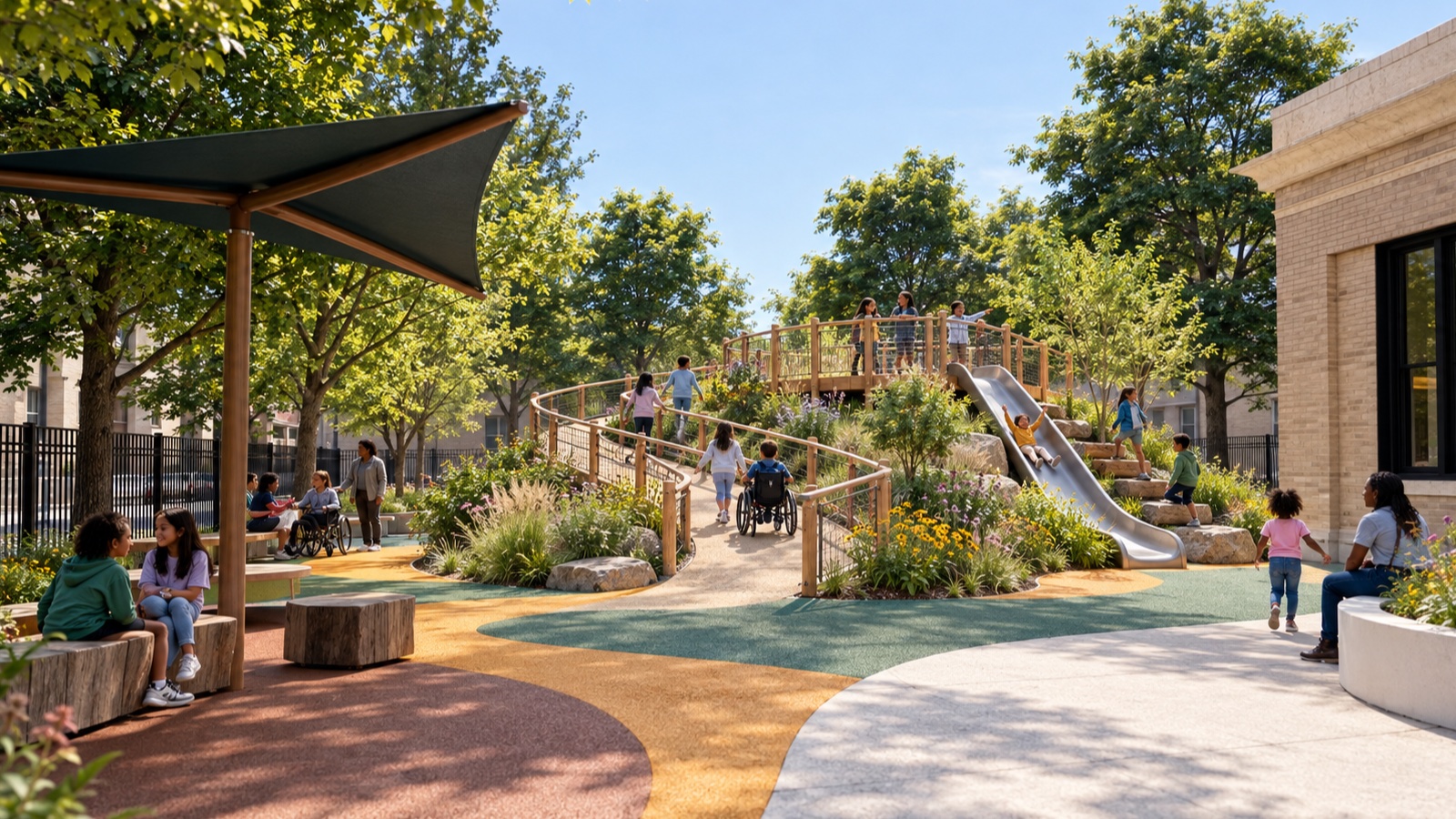
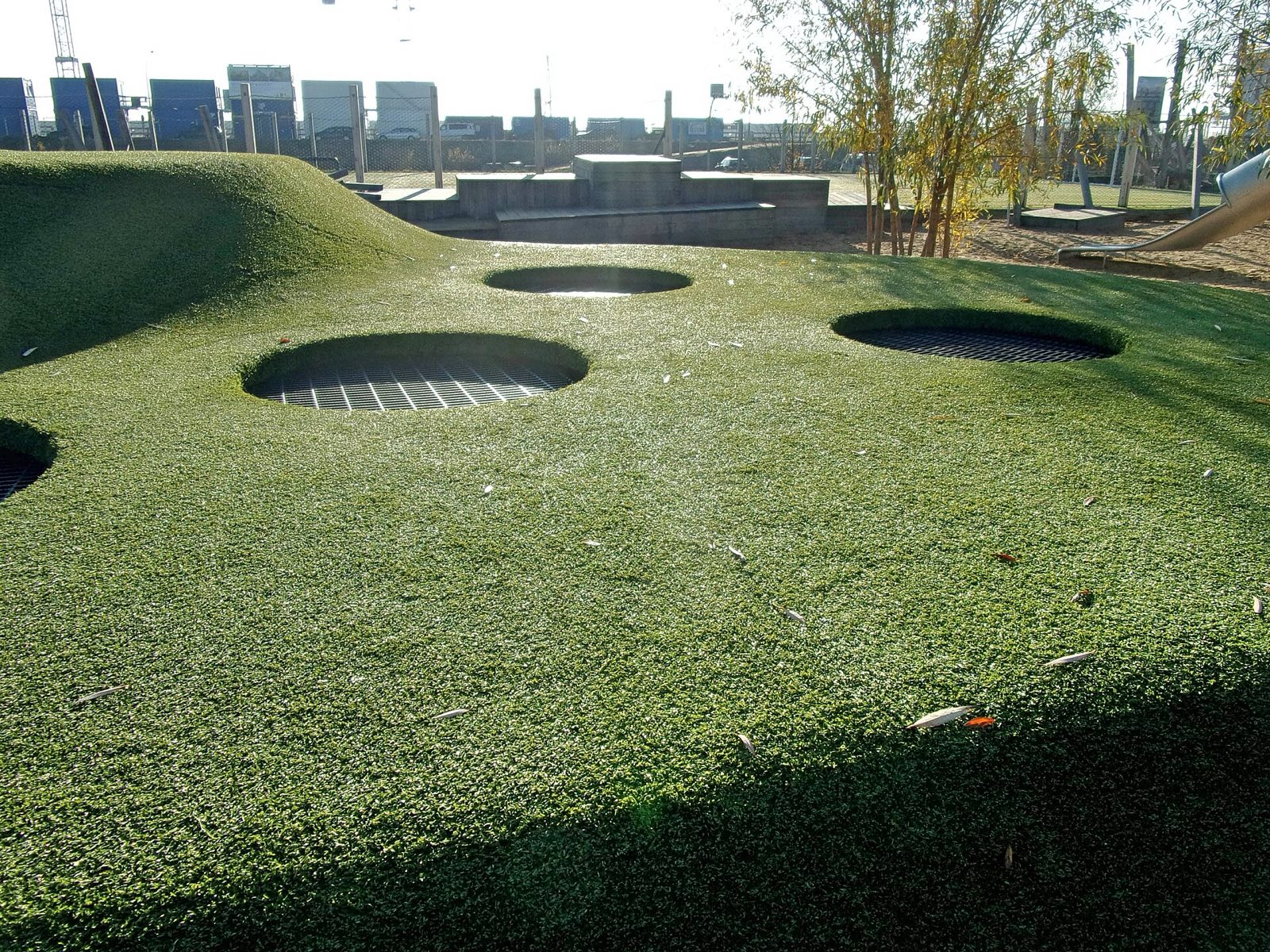
A planted mound with a broad route to the top, a lookout, a slide, and a few different ways up. The most exciting place on the site is also the place everyone can get to.

What the research shows

Federal accessibility rules require accessible routes to ground-level play and to at least half of elevated components. Those are minimums. The design question is whether children using wheels, walkers, or their legs can arrive at the same lookout and be there together. The CPSC handbook also recommends choices of challenge that children can see and judge for themselves.

Making it work at a school

Recess
One tall destination can pull a whole recess into one crowd. A wide top deck, two exits, and a slide exit kept clear of the route back up reduce pile-ups.
Staff view
Recess staff need to see the top and the base from one standing spot. Planting on the mound is kept low.
Neighbors
The mound also works as a neighborhood landmark after school. It needs lighting, clear hours, and a surface that drains.
Cost and phasing
Earthwork, retaining edges, drainage, and surfacing make this the largest single item. It is the natural centerpiece to fund first, with a scaled-down version as a fallback.
Concept illustration of a planted accessible landform and shared overlook at Tubman
Concept illustration for discussion. One way this idea could look at Tubman.
02

Ground that is part of the play

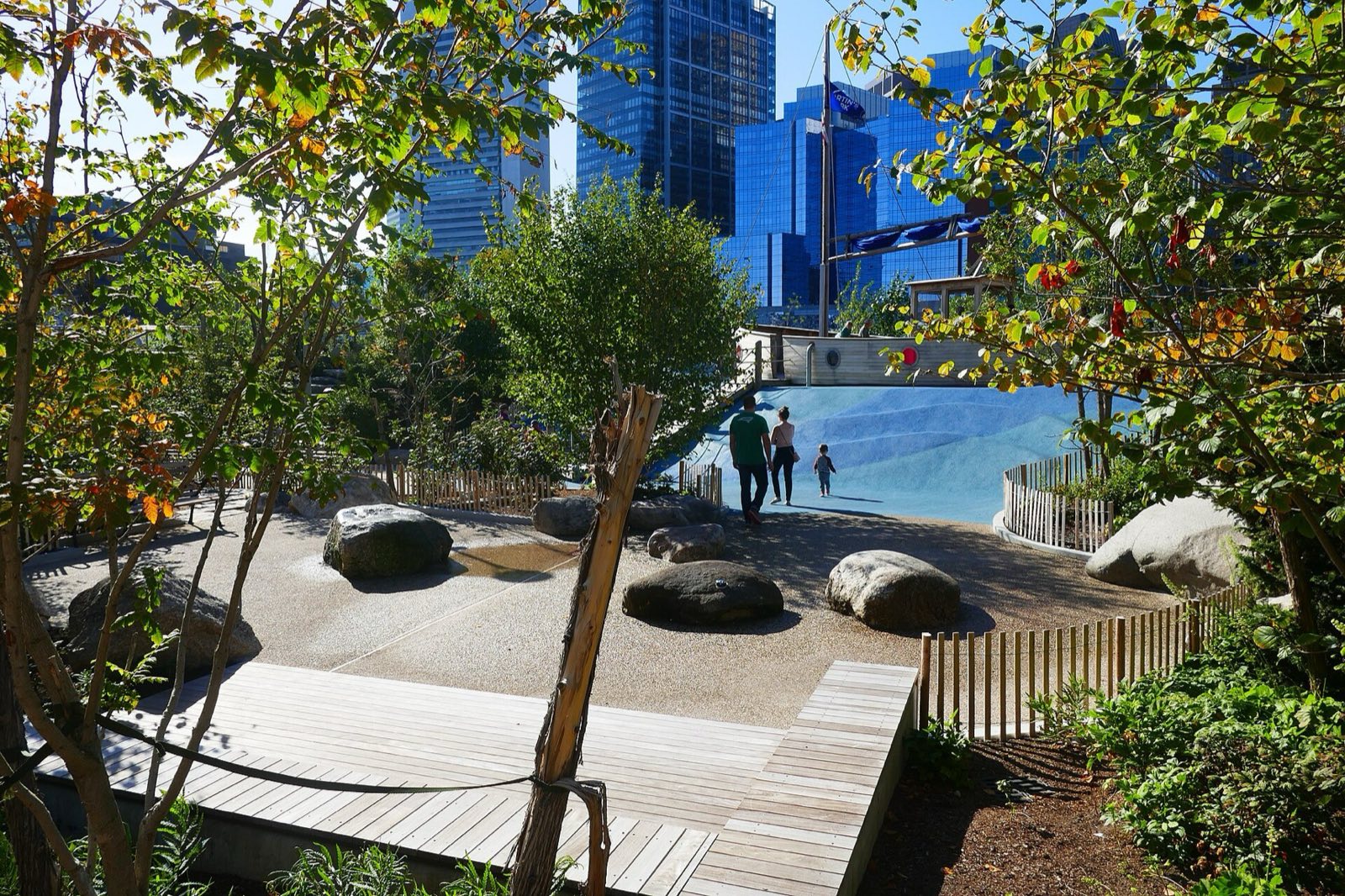
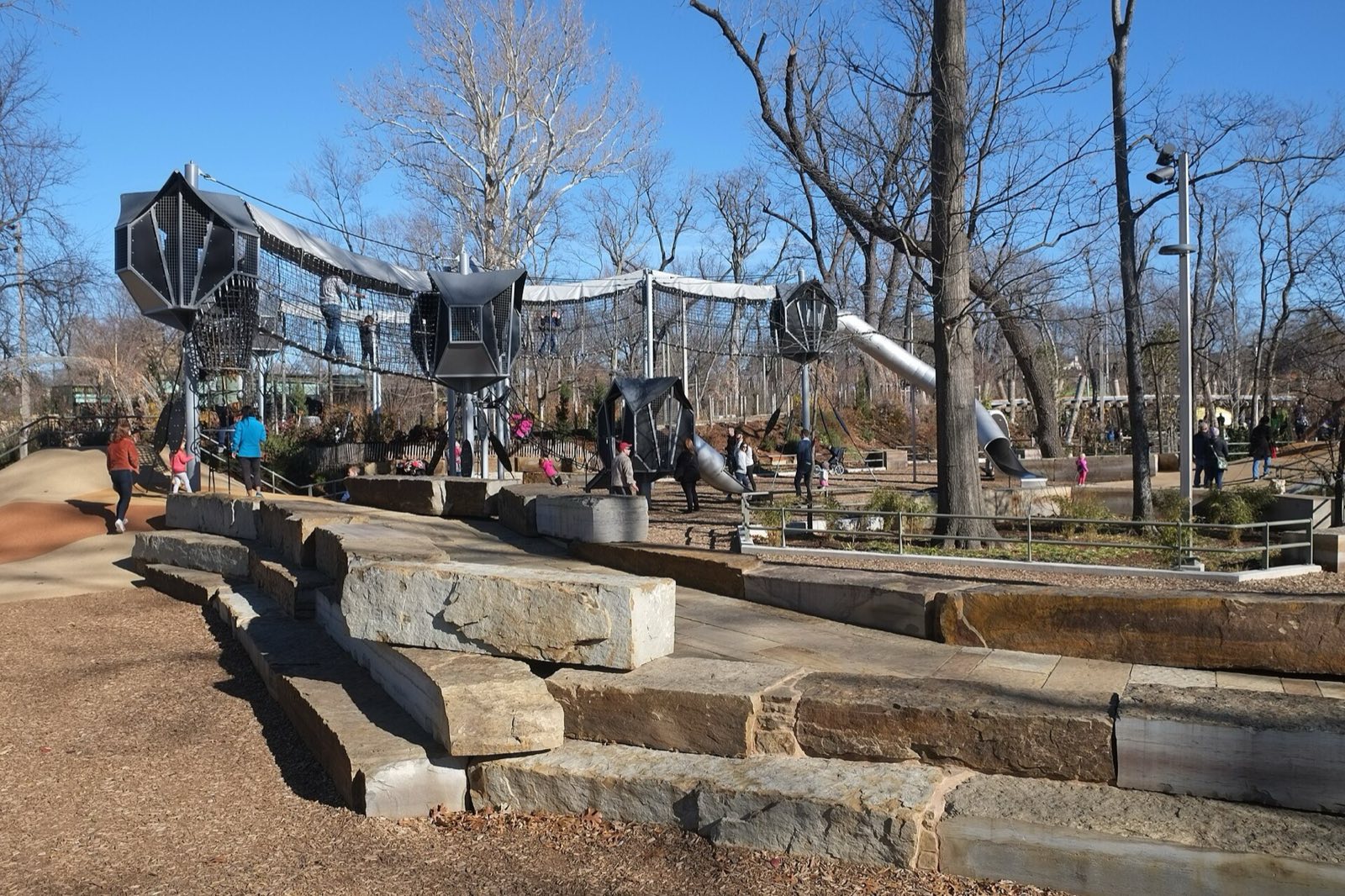
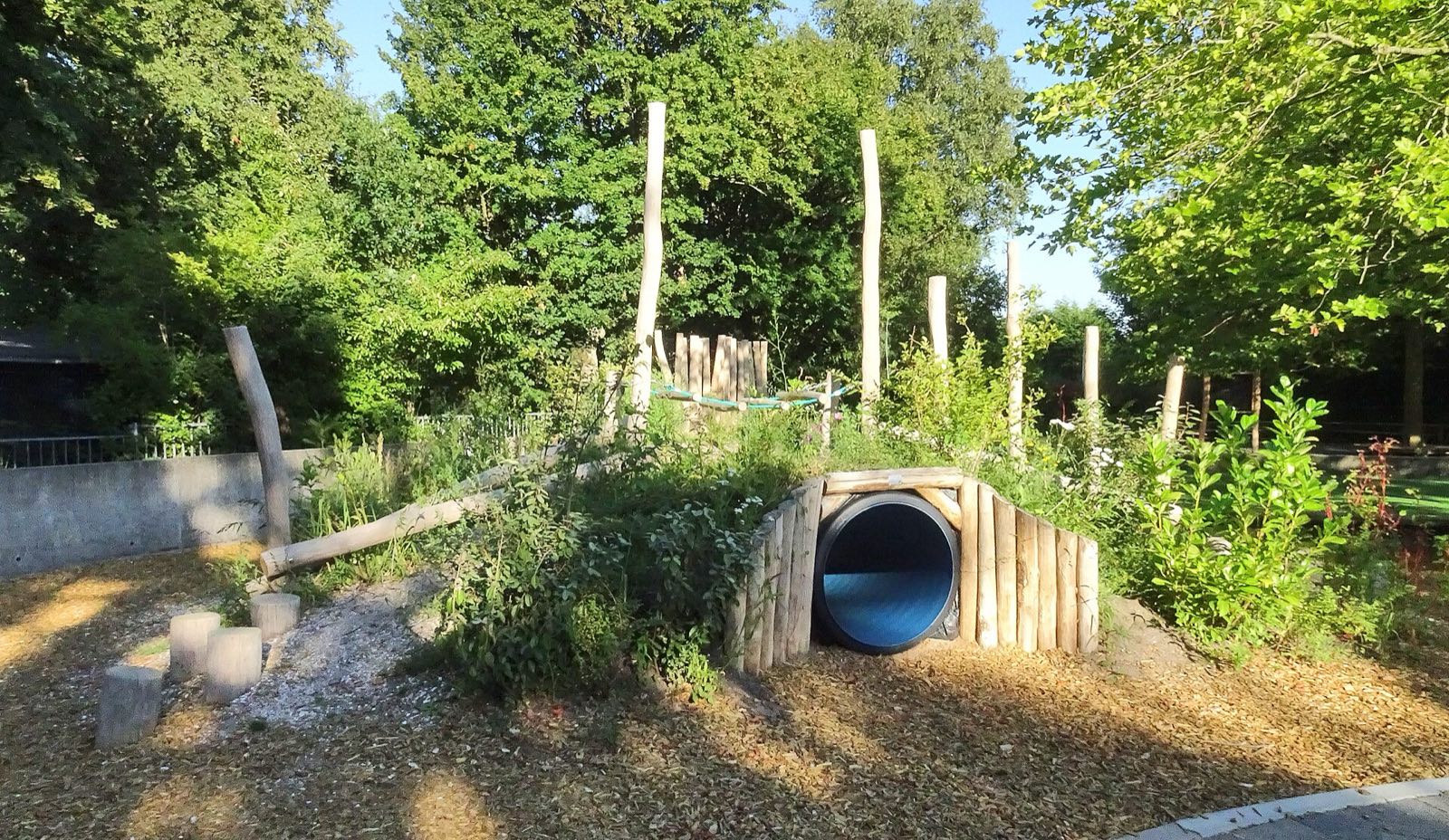
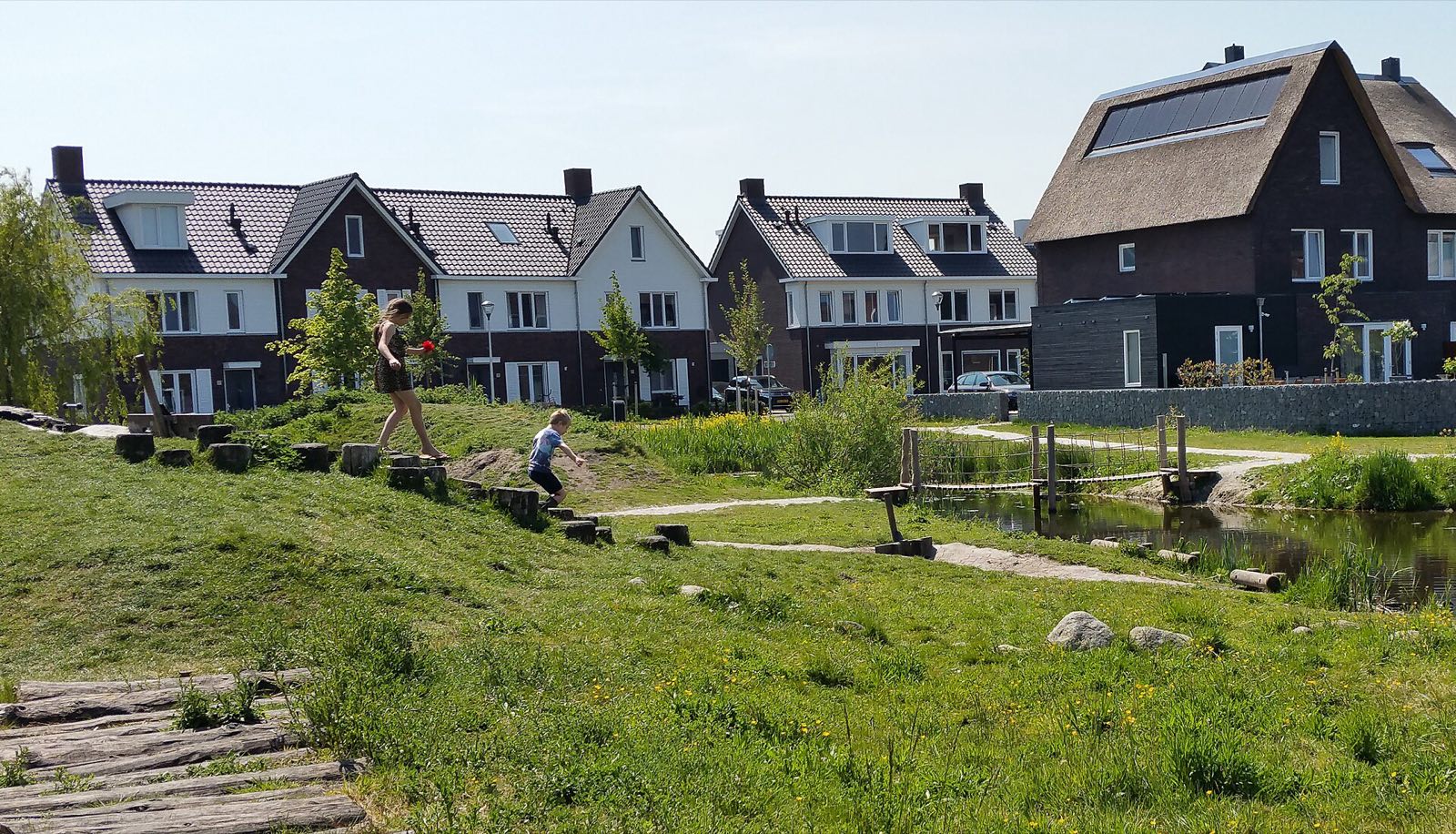
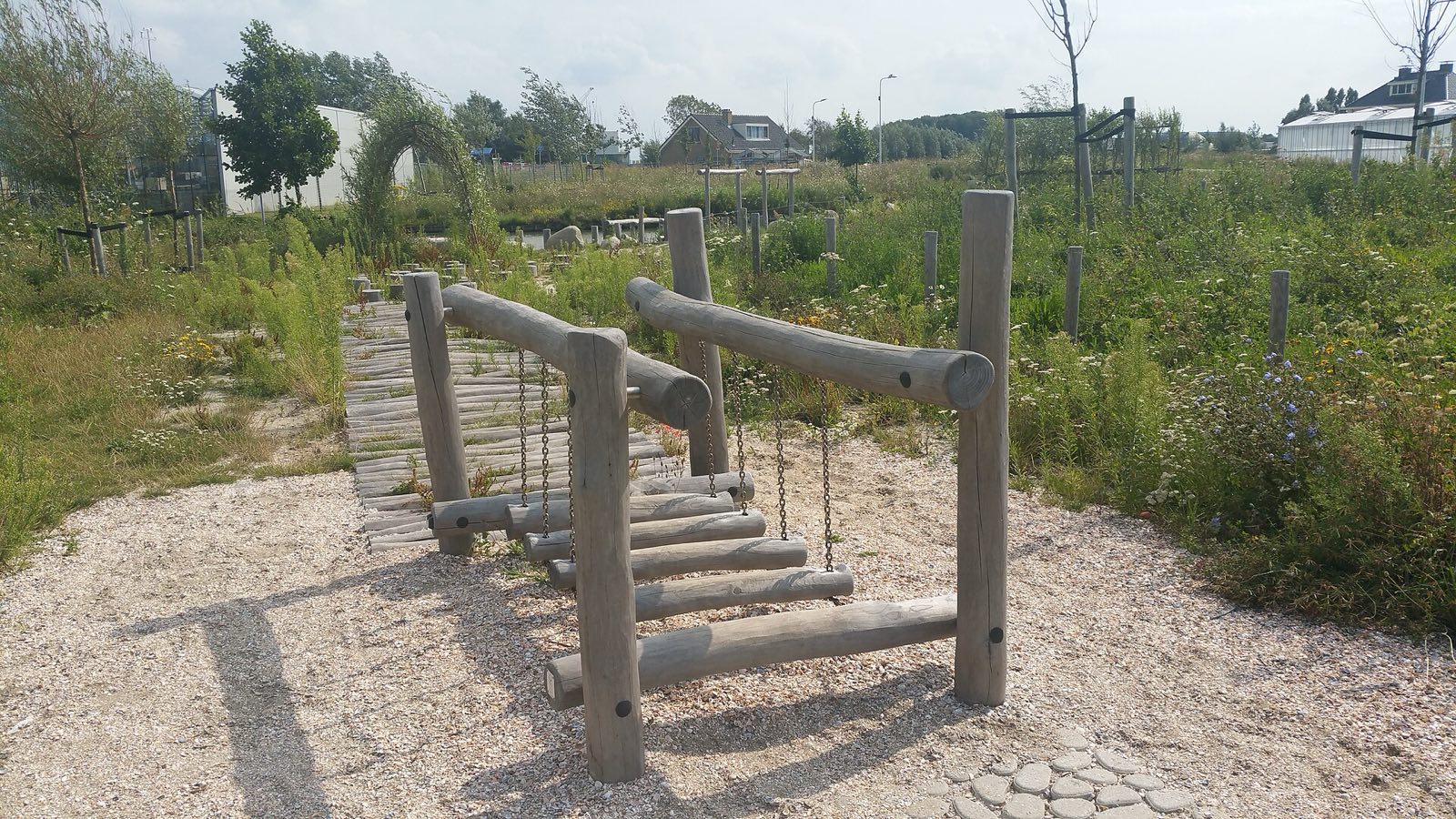
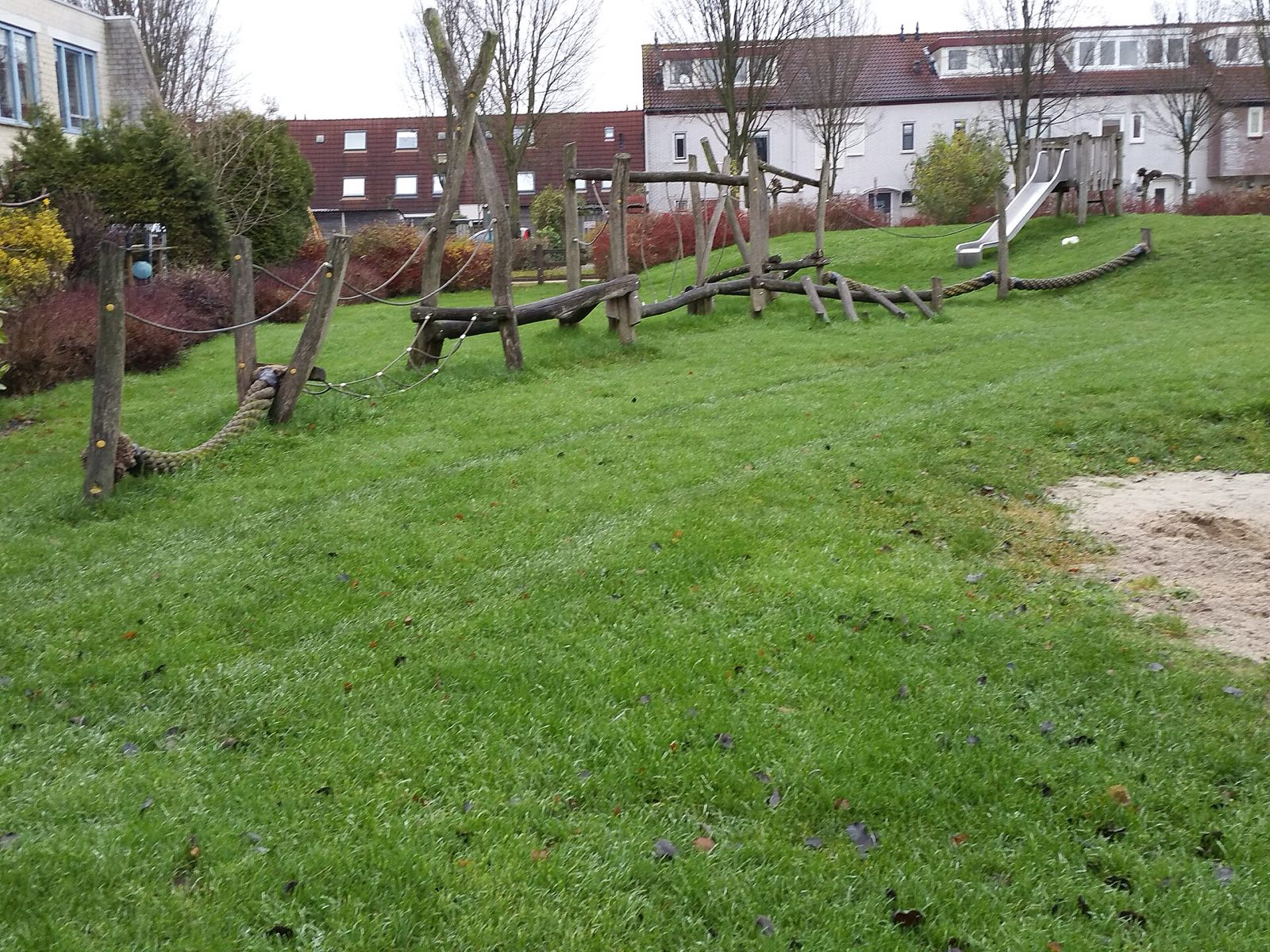
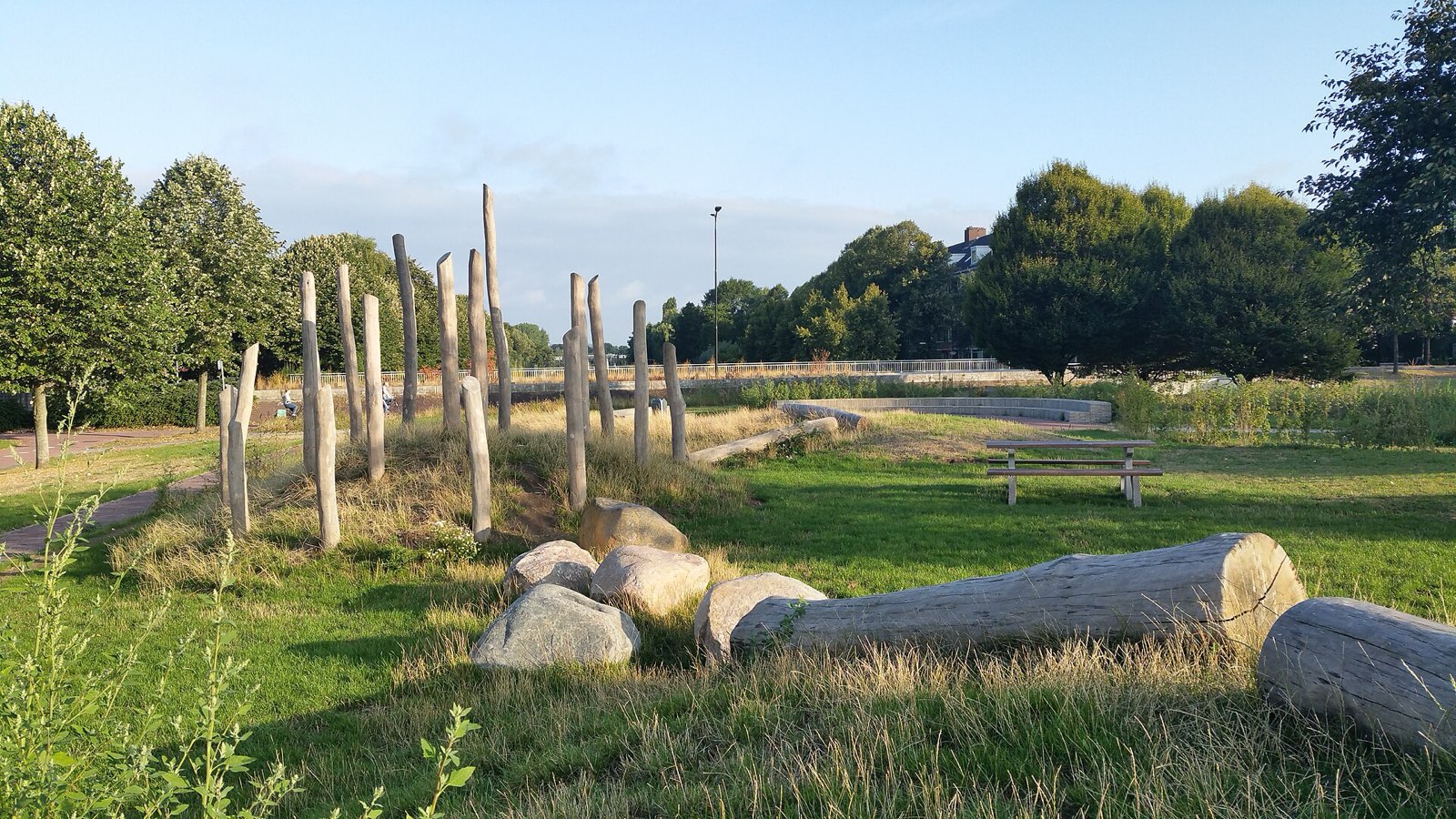
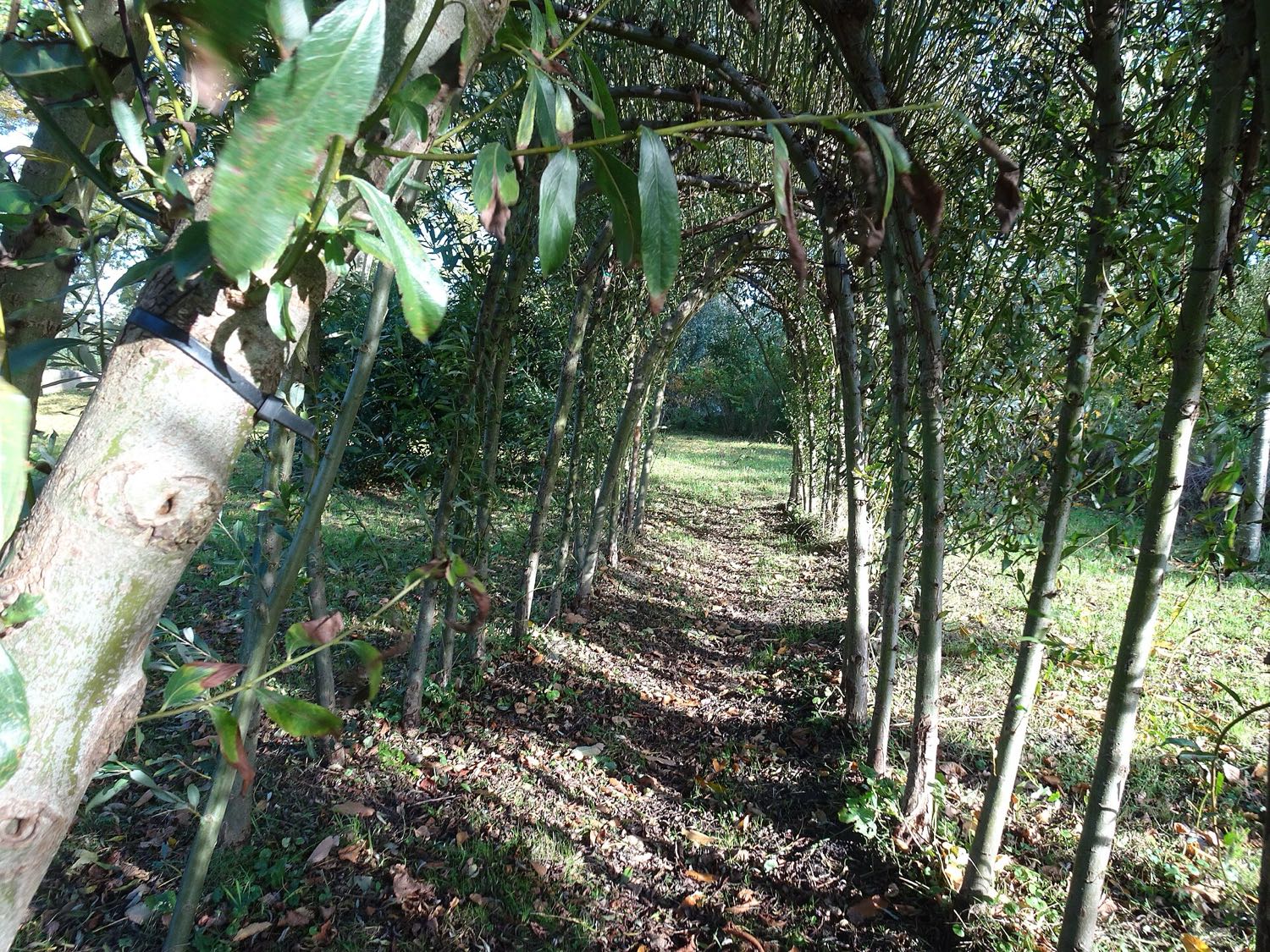
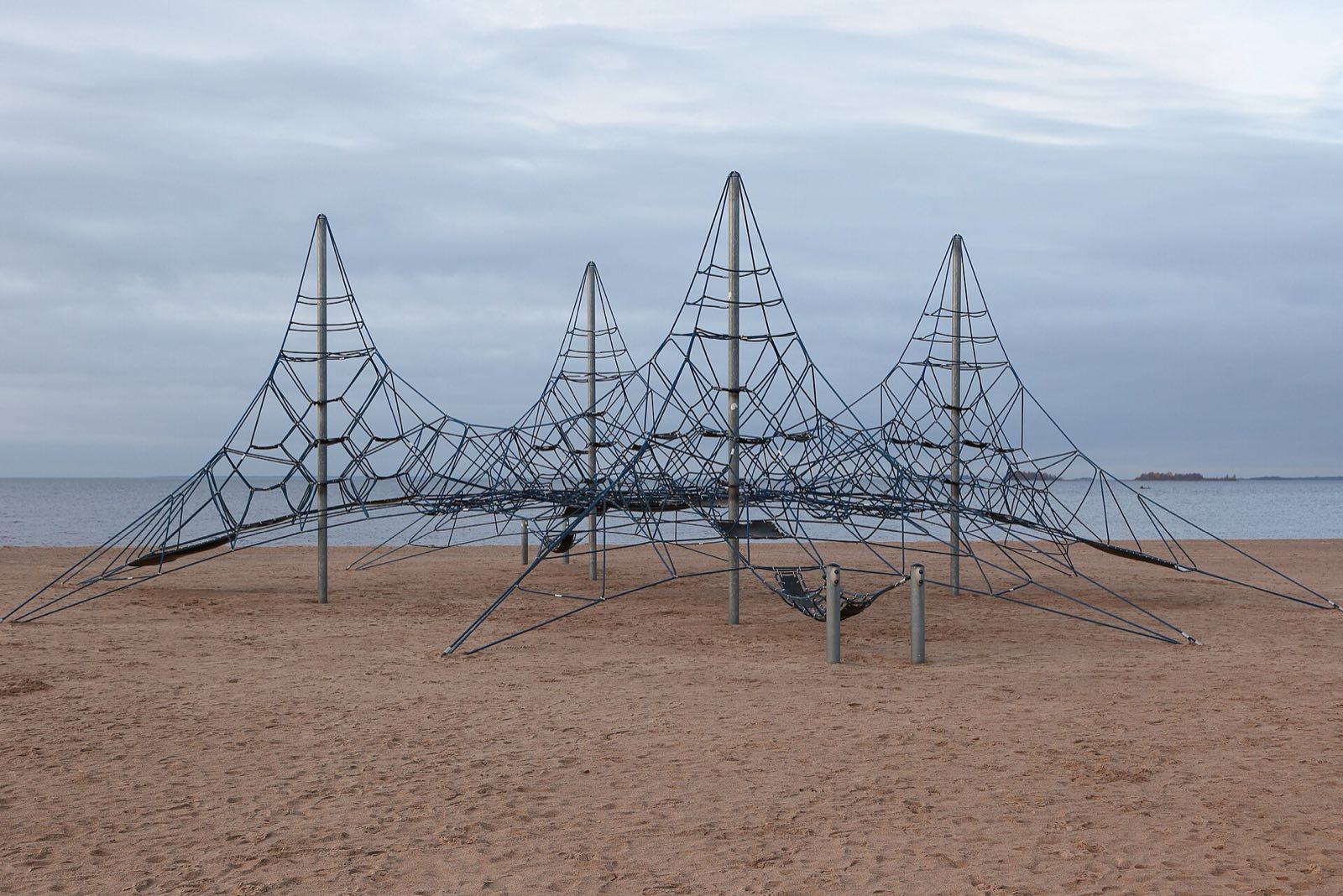
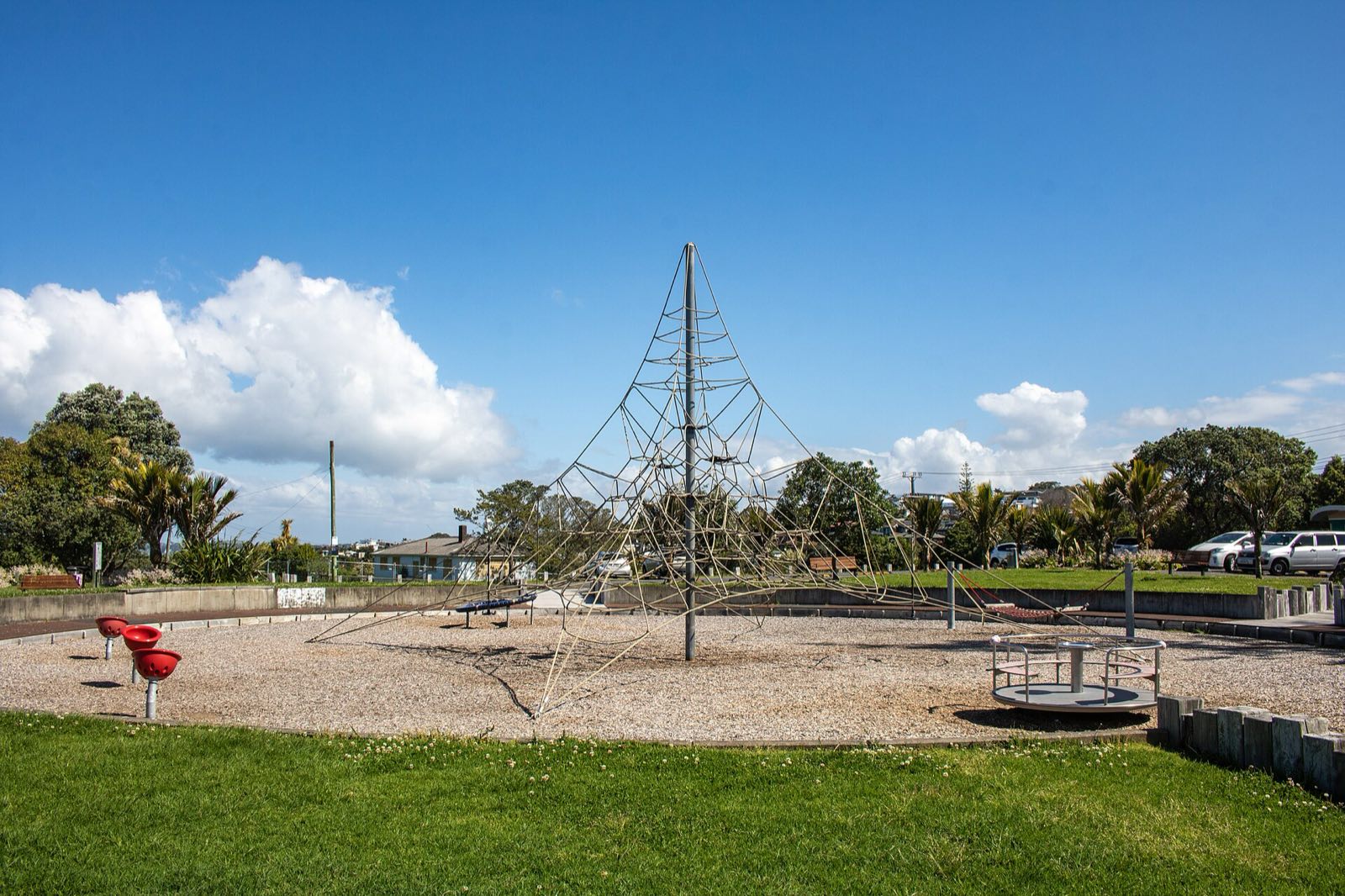
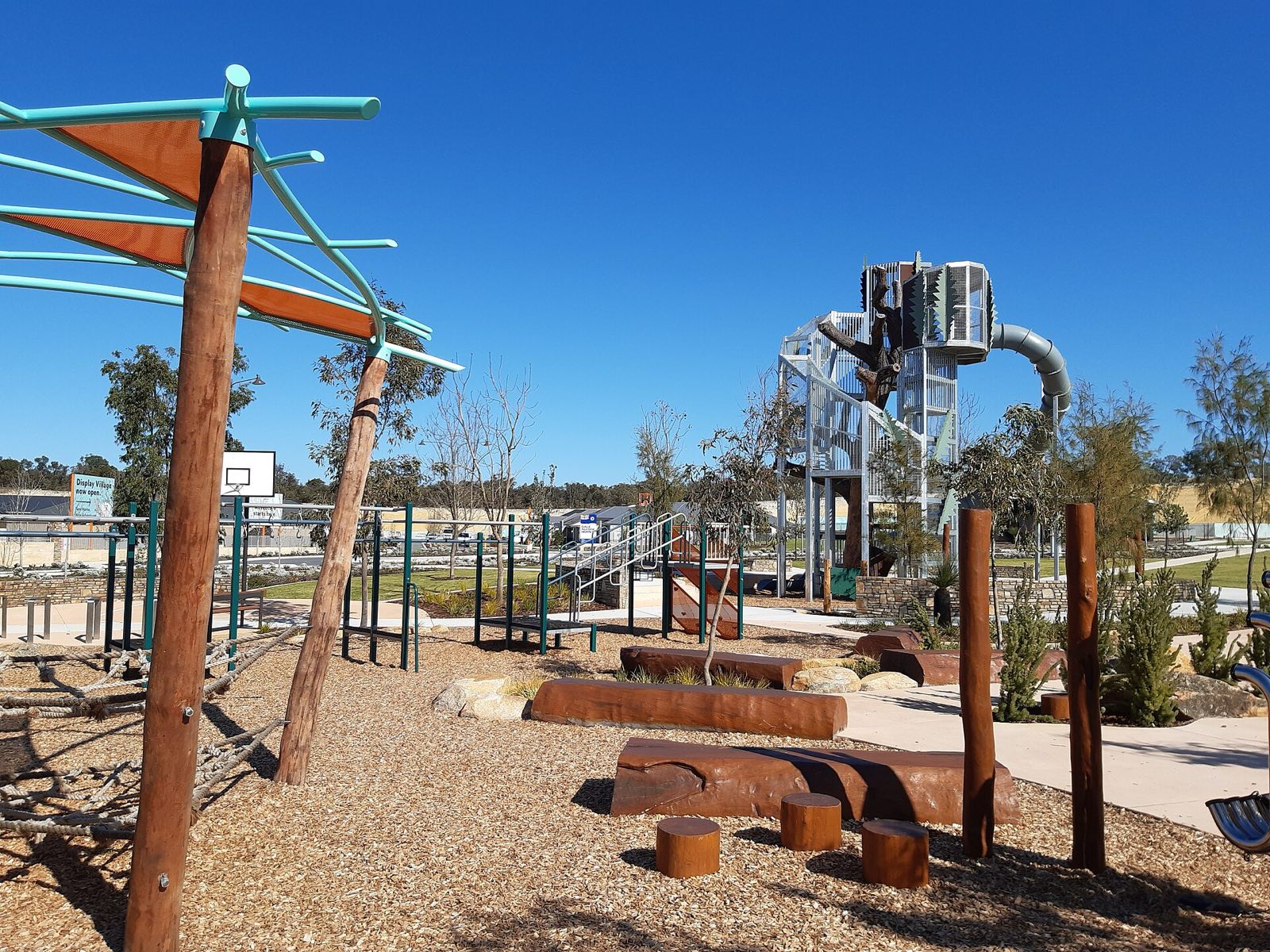
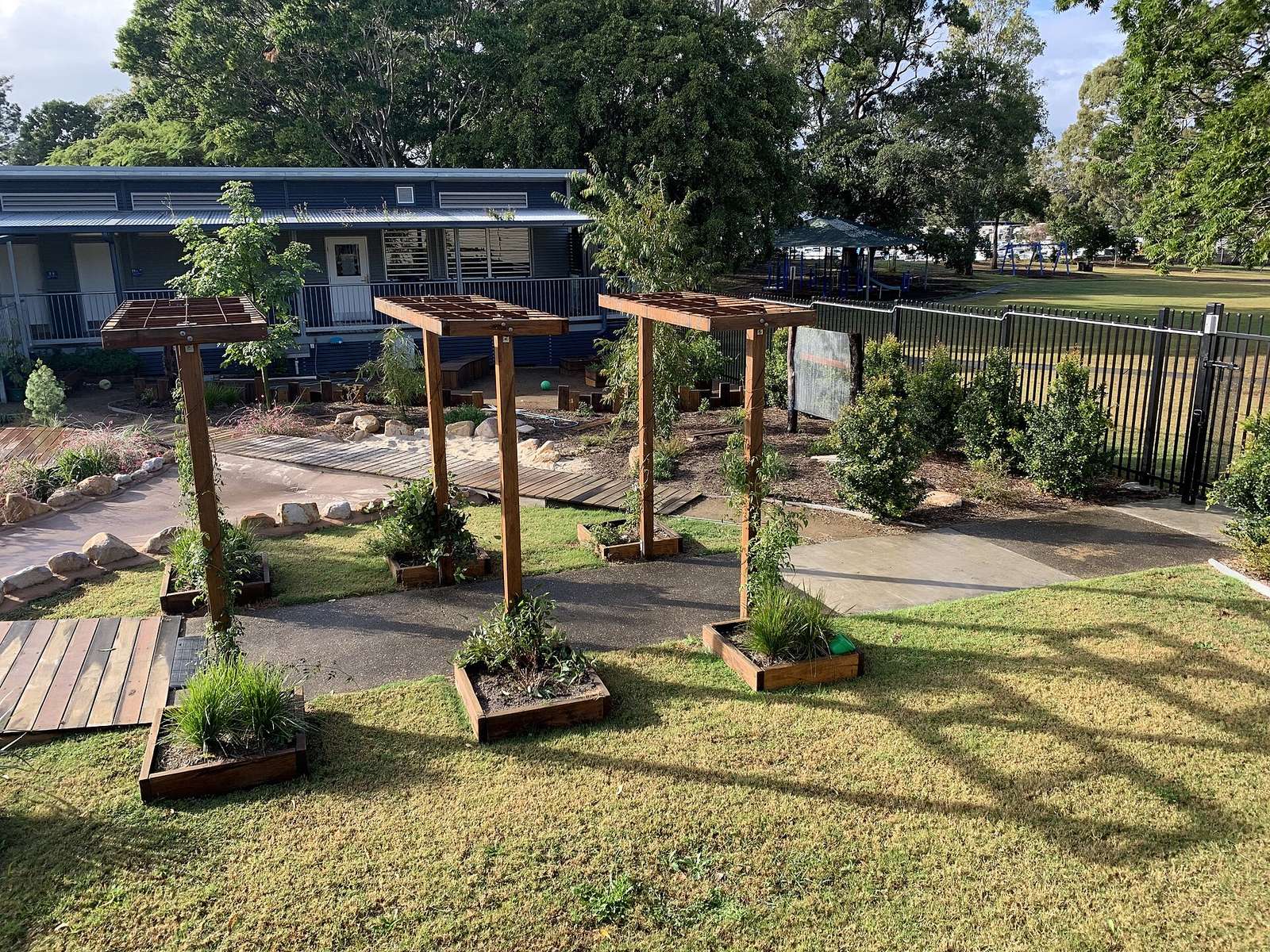
Low mounds, logs, boulders, planting, and rope crossings make many routes through the same space. Children choose how hard to make the route, and friends of different abilities can move side by side.

What the research shows

Reviews of greened schoolyards and of adventurous outdoor play report more physical activity and better social outcomes in many studies. Only a handful of the experimental studies are strong, and results vary between schools, so this supports a direction and does not guarantee an outcome.

Making it work at a school

Wear
Planted areas do not survive 300 children at recess unless they are fenced off, rotated, or planted with tough species. Logs and boulders take the traffic and planting goes around them.
Winter
Chicago winters mean bare beds for months. The design has to look good with nothing blooming and drain through freeze and thaw.
Inspection
Logs and ropes need scheduled inspection for decay, splinters, and entrapment. Ask each vendor for a maintenance plan and a replacement cycle.
Ages
This is the best-matched idea for the 5–12 yard, since older students look for risk and challenge. A gentler version fits the 2–5 area.
Concept illustration of a timber, rope, boulder, and planted nature-play trail at Tubman
Concept illustration for discussion. One way this idea could look at Tubman.
03

More ways to move

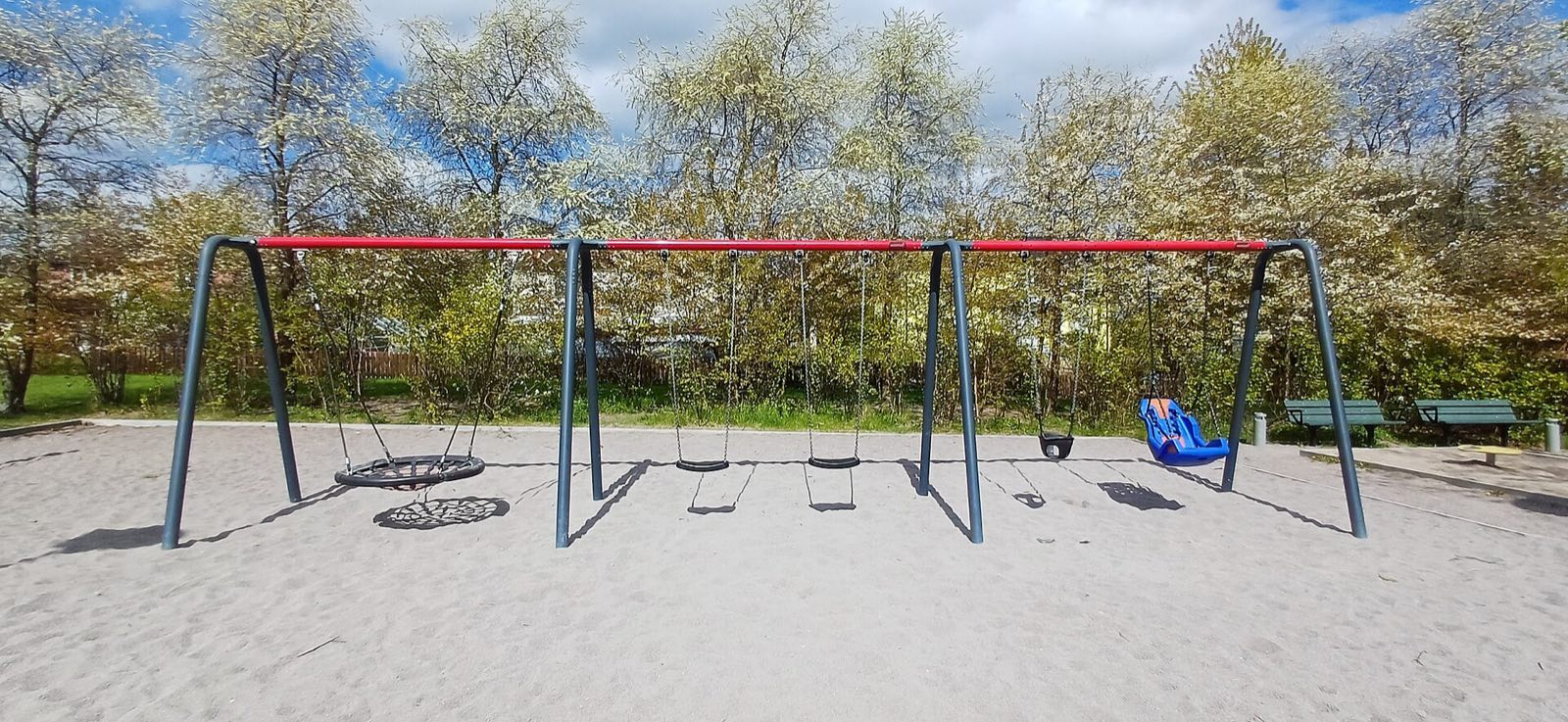
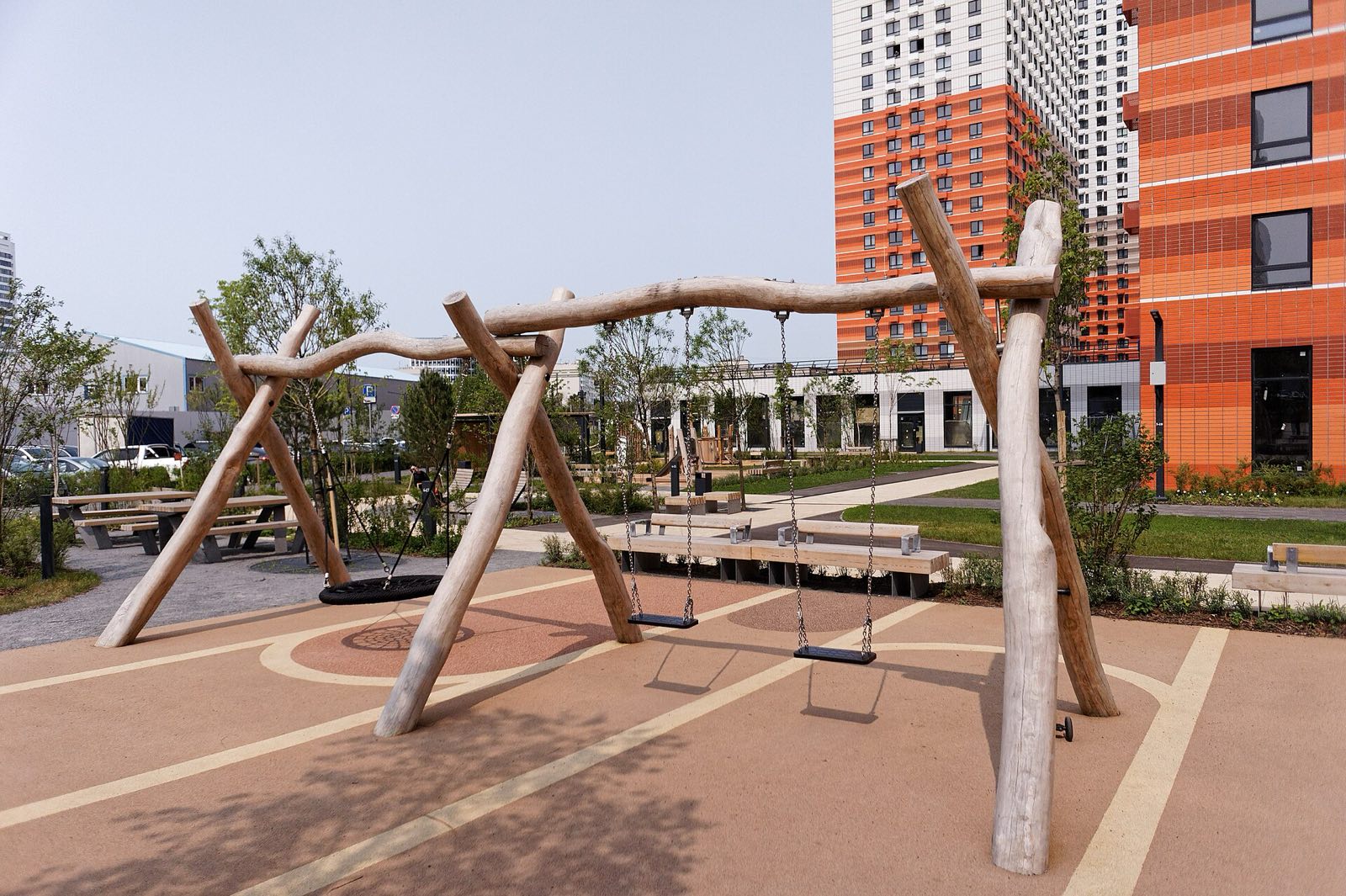
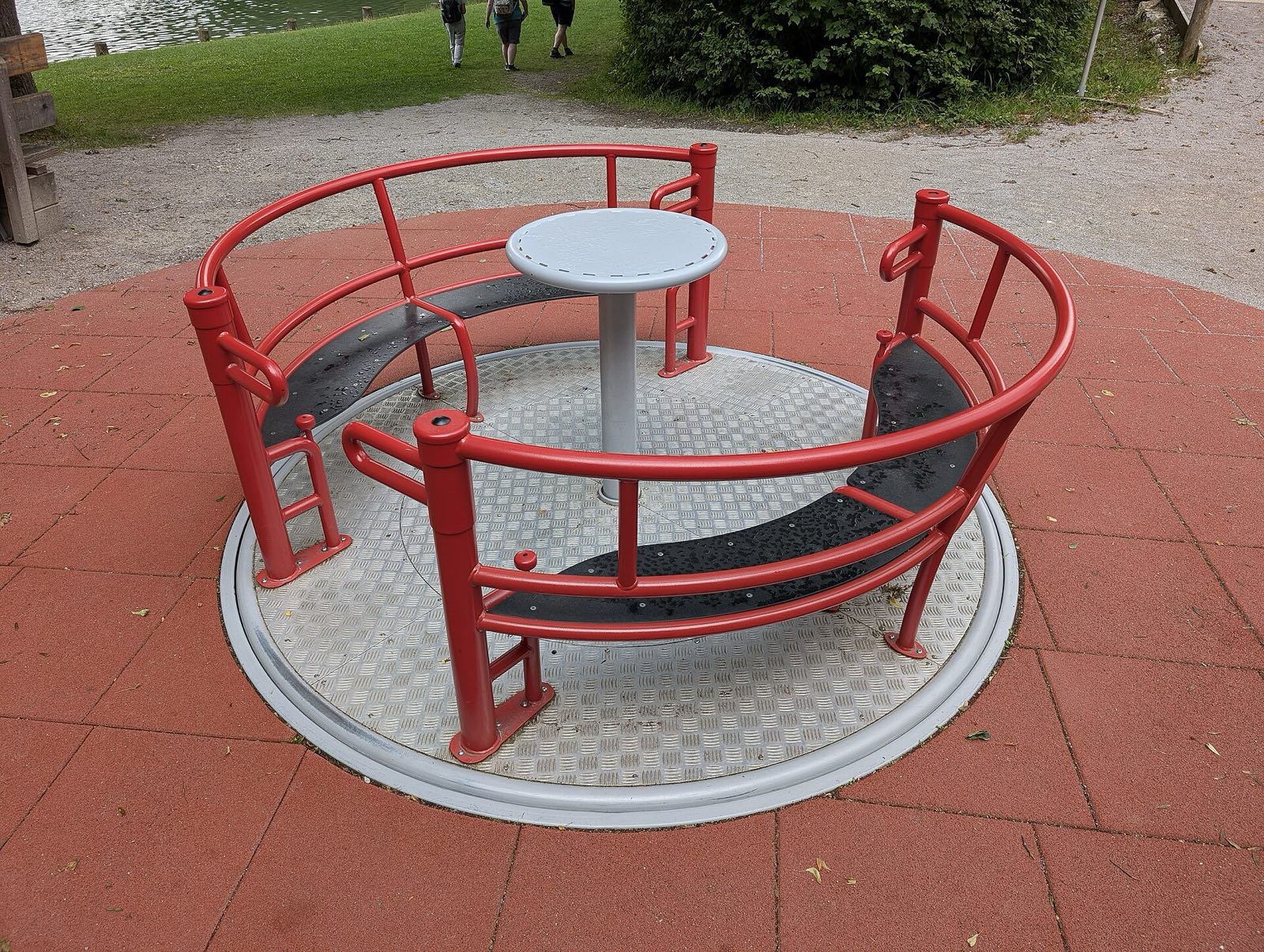
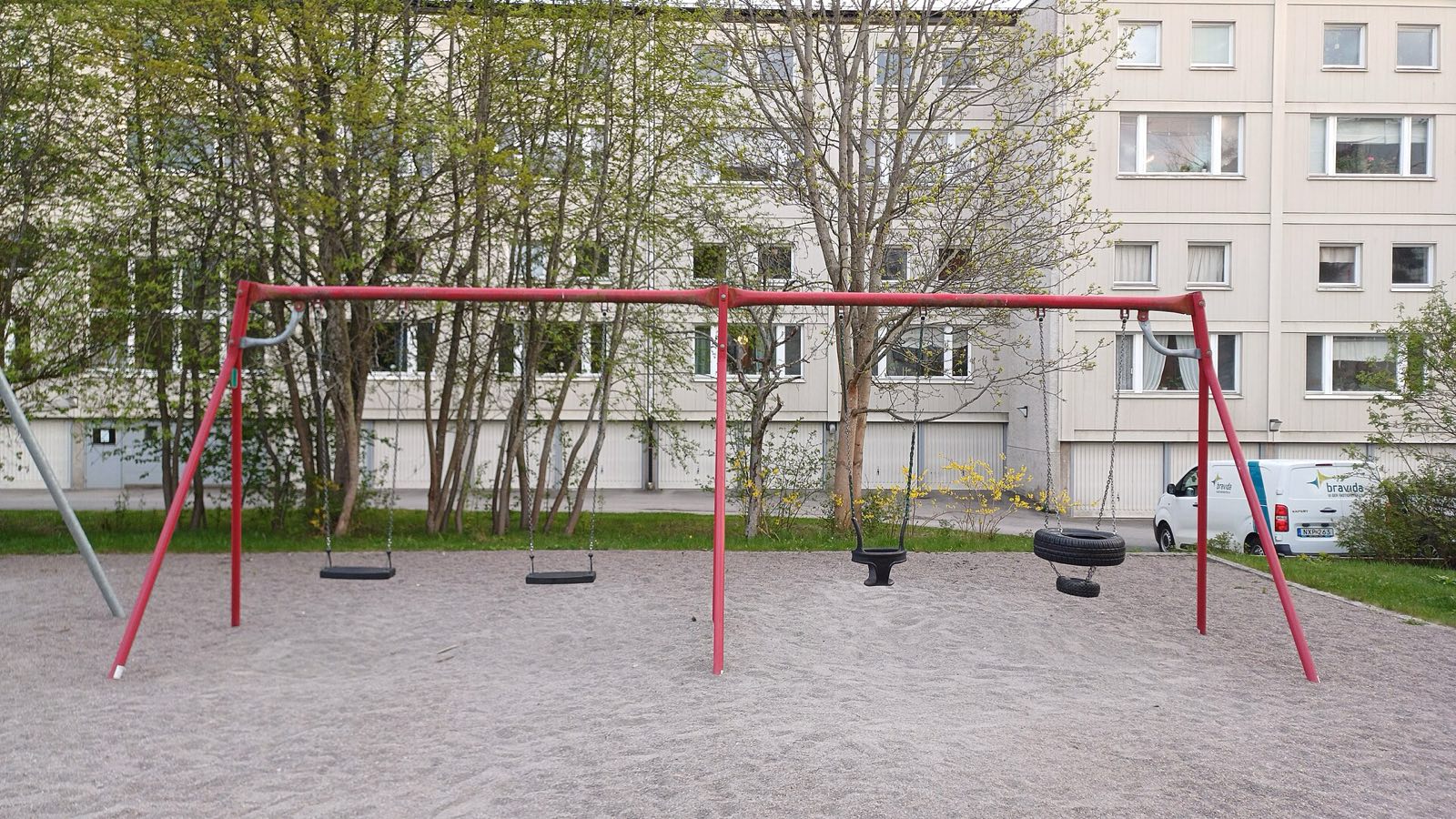
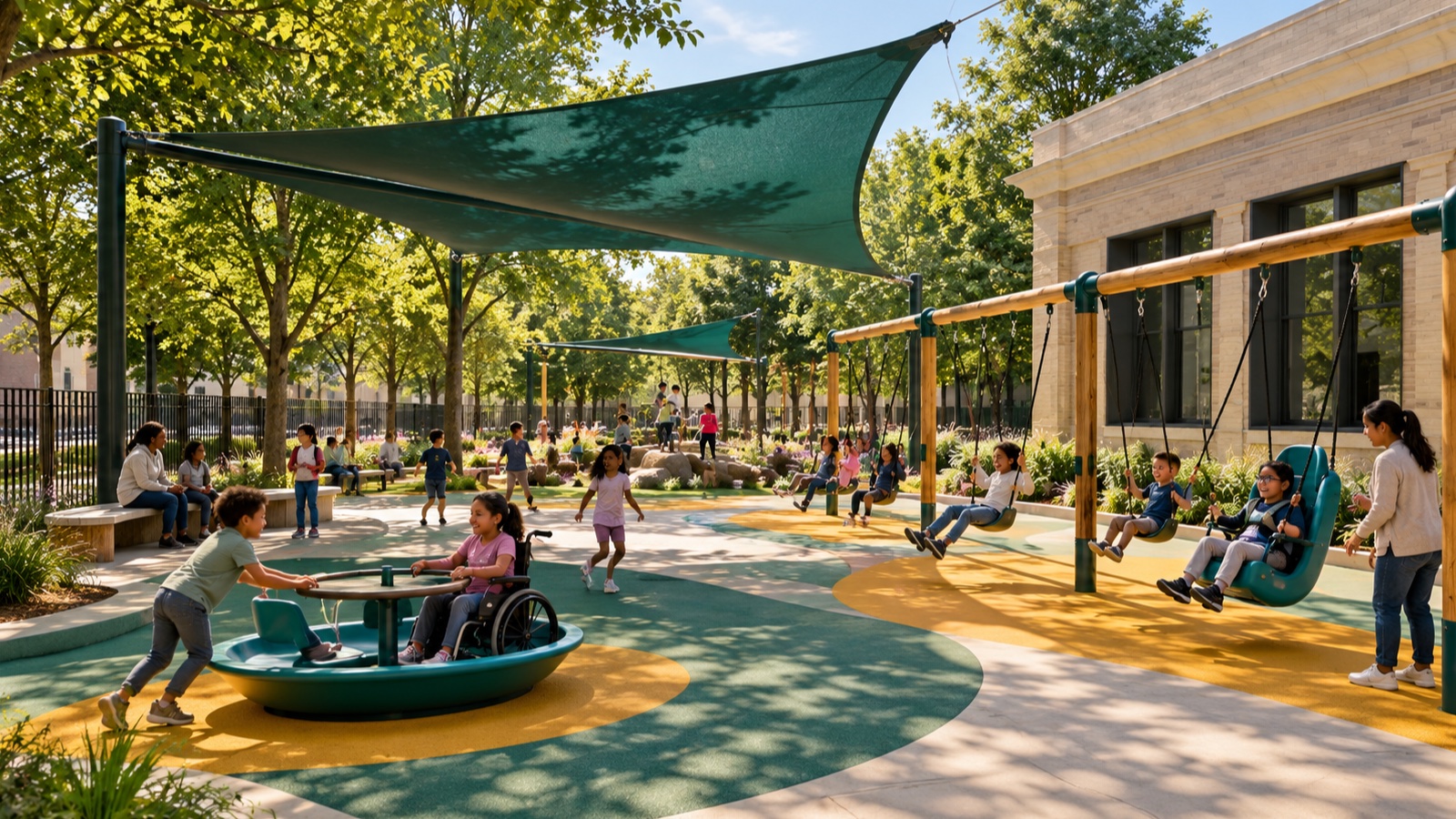
Swinging, spinning, balancing, bouncing, and rolling are separate experiences. A bay with a belt swing, a nest swing, a supported seat, and a group spinner gives different children something they like, and the group pieces make natural meeting points.

What the research shows

A 2024 review of 51 studies found that fixed equipment, natural features, loose parts, markings, and space have all been tested, and no single category came out as best. Because no one feature can be relied on, a mix of play types is the safer choice. Federal accessibility rules require at least one of each type of ground-level play component to be on an accessible route.

Making it work at a school

Space
Swings and spinners need large clear use zones, so they go along an edge and need to be counted in the first layout. Running and ball games stay outside those zones.
Queues
Popular equipment creates lines. A group swing and a spinner take more children at a time than a single-seat swing.
Products
Choose specific products only after co-design with disabled students and families, and confirm current ASTM and CPSC requirements with the design team.
Phasing
A swing bay is a good early phase. It is modular, familiar, and can be added to.
Concept illustration of swings, an inclusive spinner, and a shaded movement loop at Tubman
Concept illustration for discussion. One way this idea could look at Tubman.
04

Something to build with

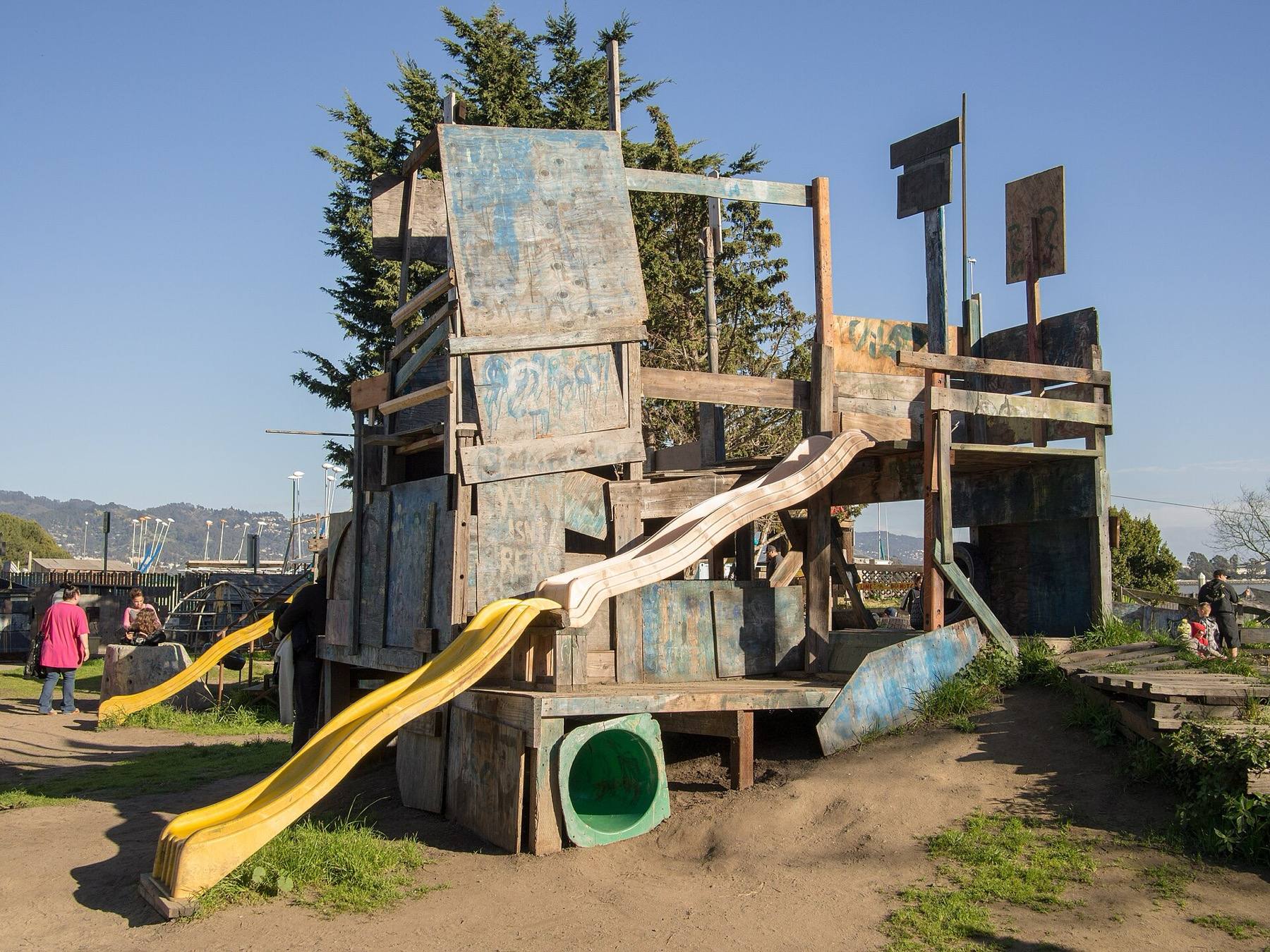
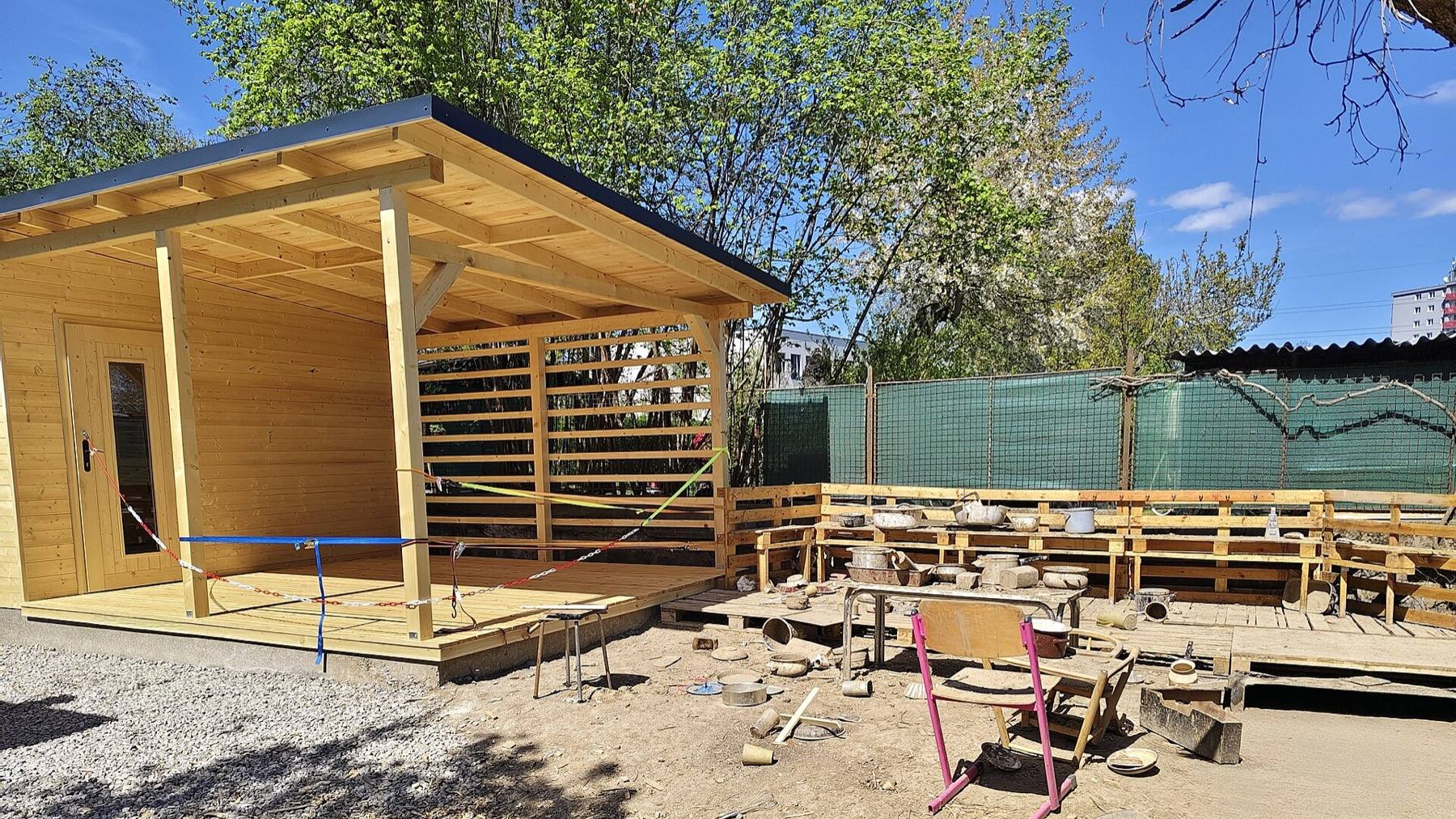
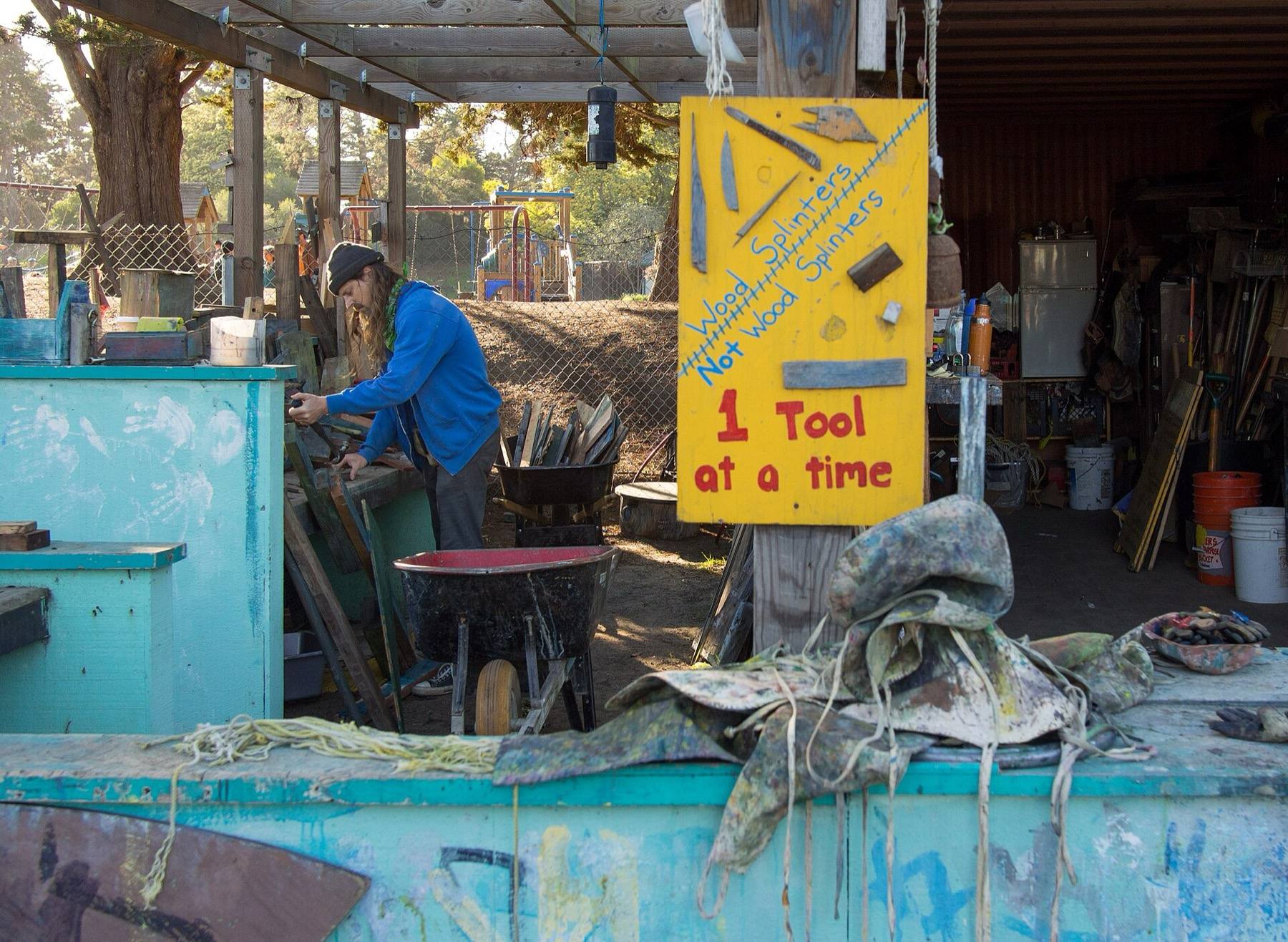
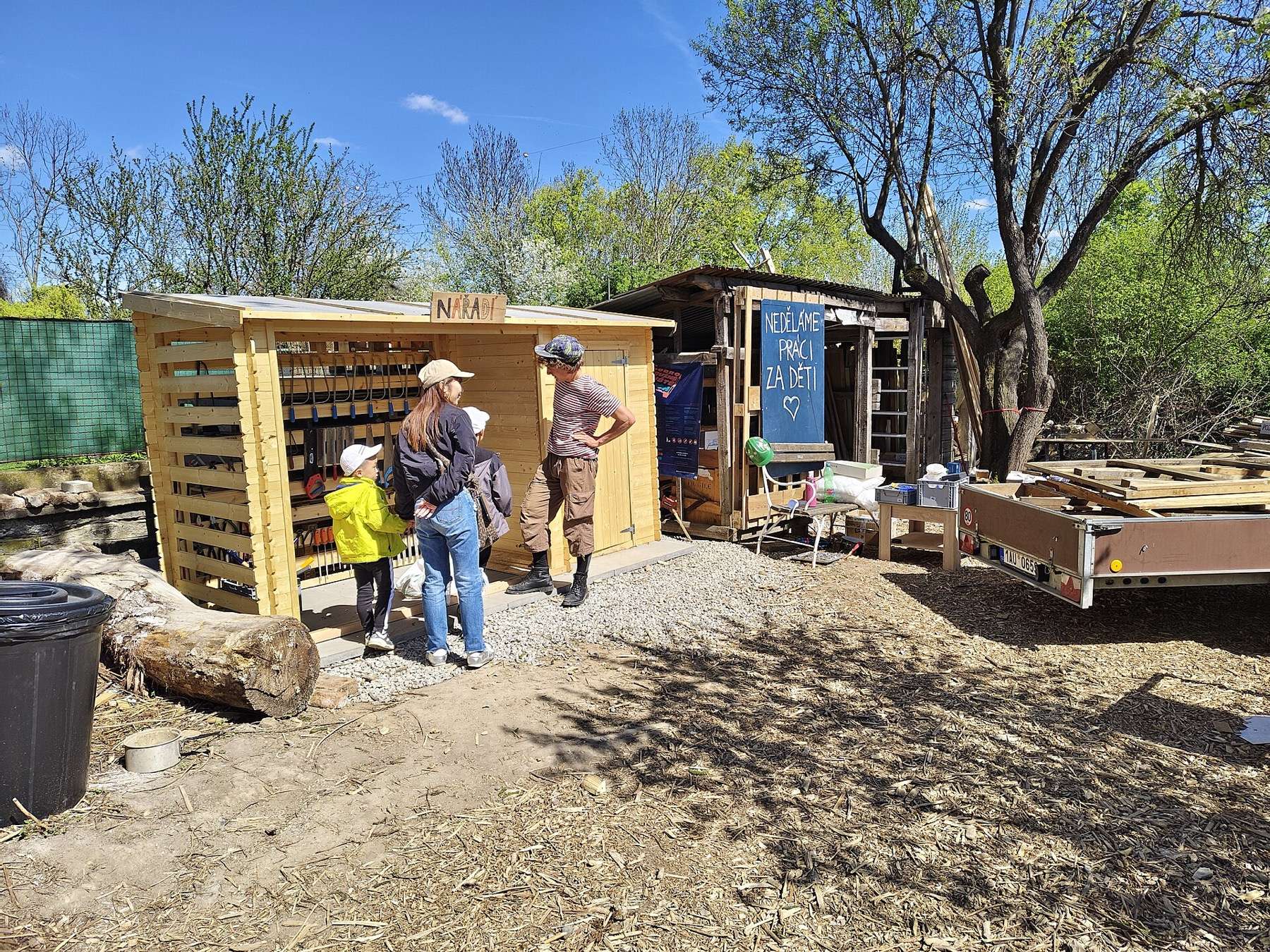
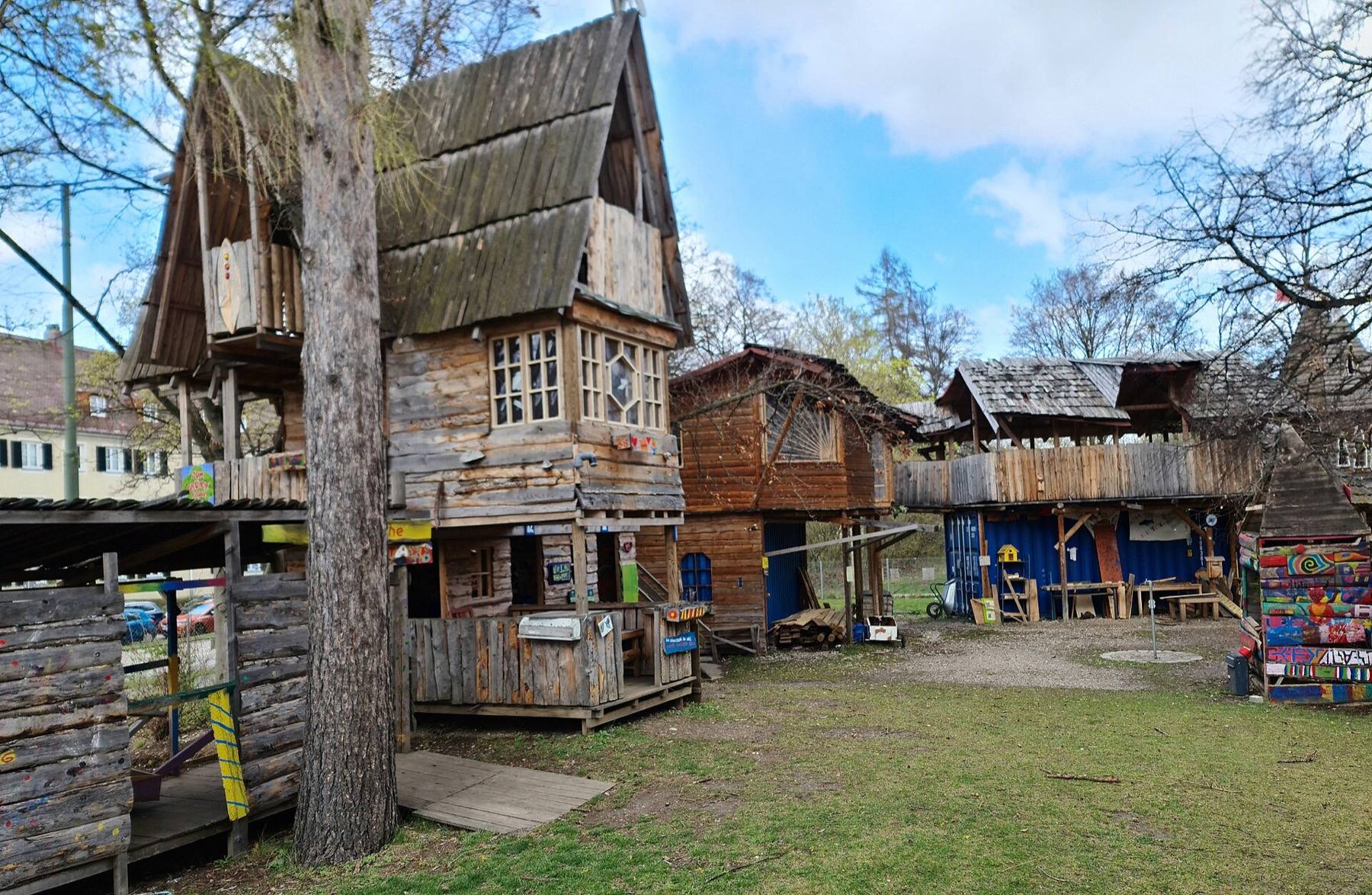
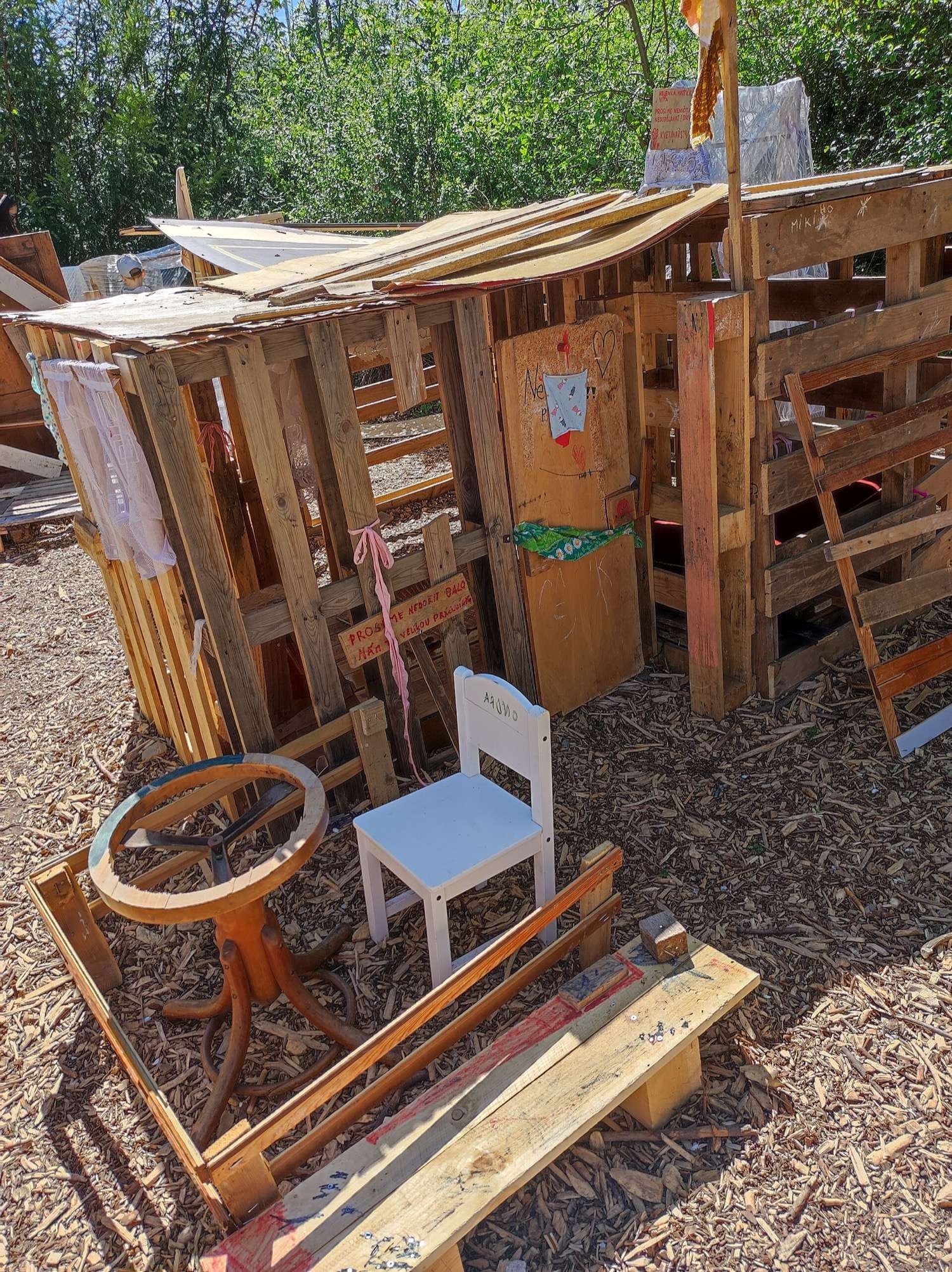
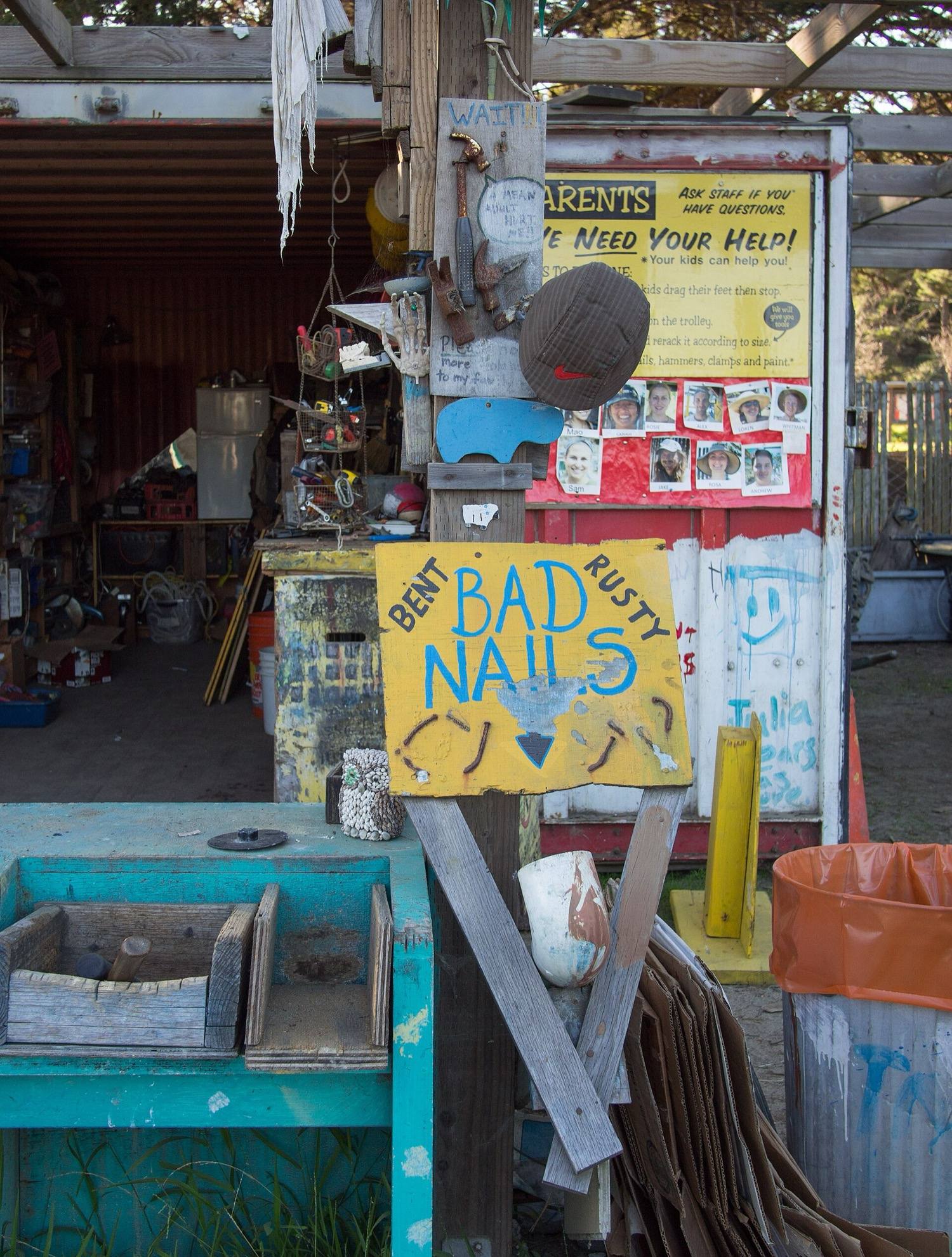
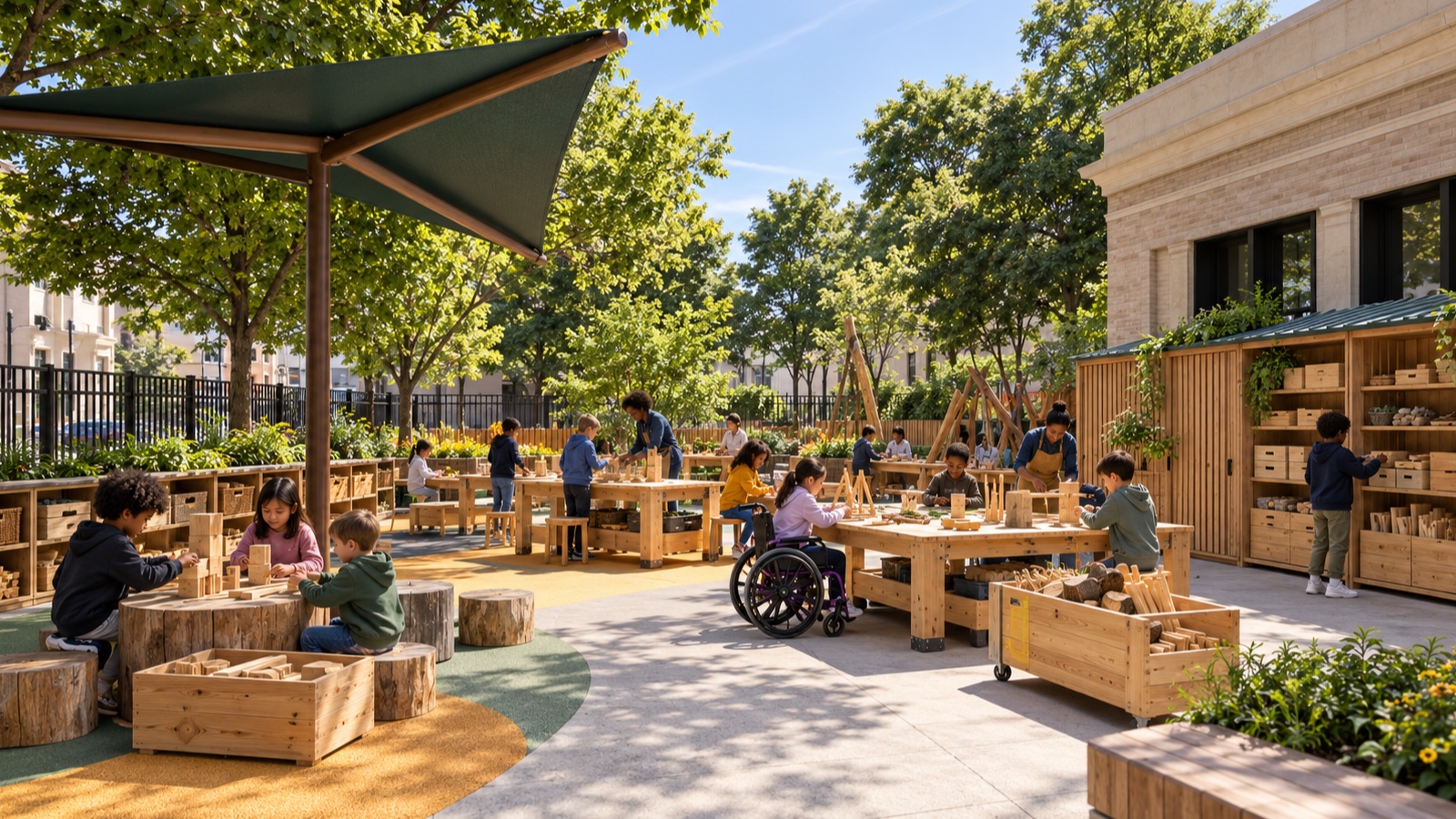
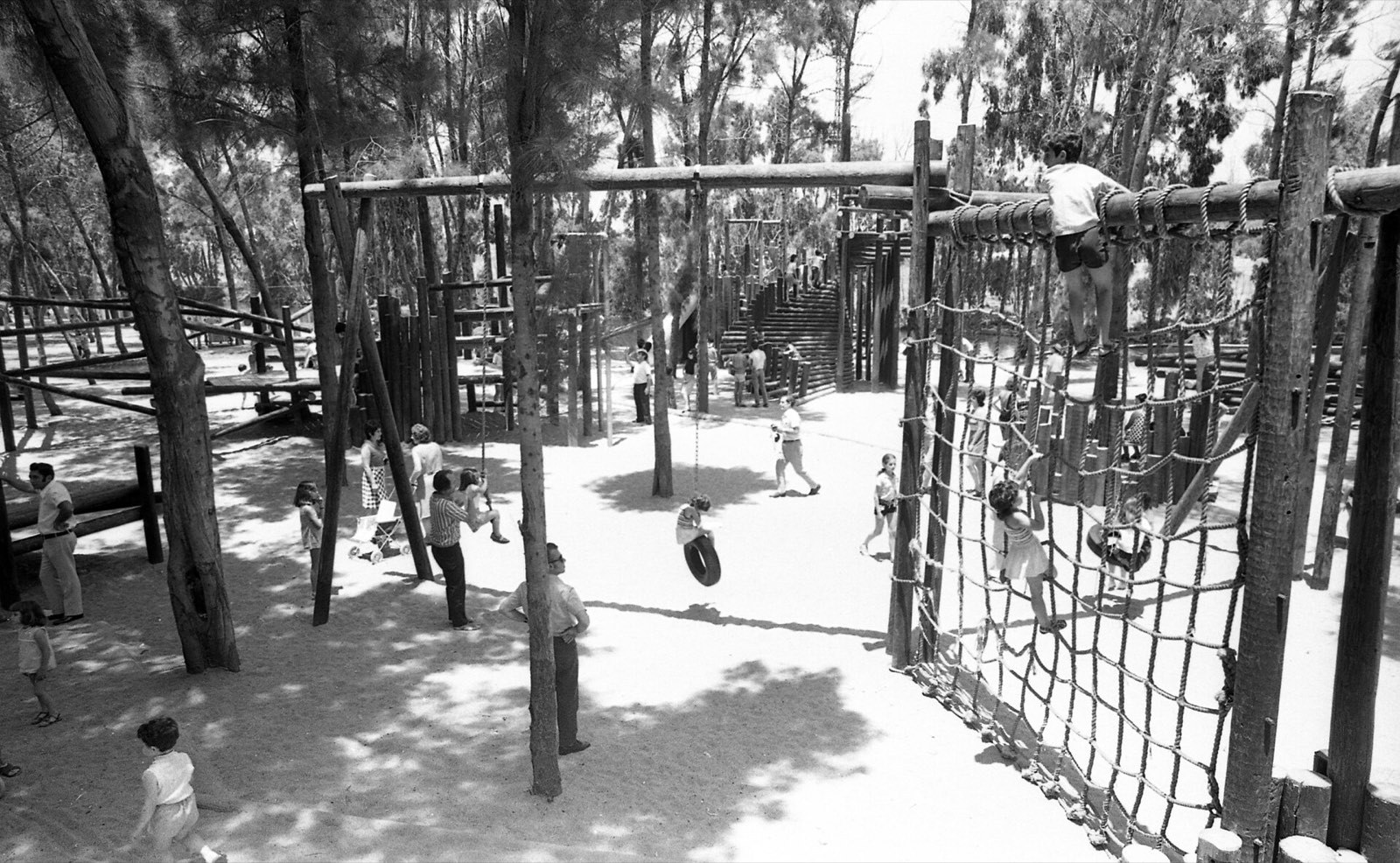
Crates, planks, tubes, fabric, blocks, sand, and water let children invent their own games and change the space. Adventure playgrounds around the world run on this idea, and a school can run a small version.

What the research shows

The evidence is promising and unsettled. A 2017 systematic review found too few high-quality studies to conclude that loose parts change cognitive, social, or emotional outcomes, though observed cooperative play was encouraging. A small 2025 experiment with 60 preschoolers found more STEM behavior with loose parts than with fixed toys, but it was indoors and short.

Making it work at a school

Staffing
This is mainly a program. Someone needs to unlock the shed, watch the yard, reset materials, and retire broken pieces every day. Confirm who that would be before spending capital money.
Storage
A handsome lockable shed is the part to build. Materials can start in a cart or shed during recess only.
Pilot first
Run a managed pilot for a semester with a small kit before building permanent sand and water infrastructure.
After hours
The make yard stays locked when the yard is open to the neighborhood. The rest of the park does not depend on it.
Concept illustration of a staffed build-and-make yard with loose parts and storage at Tubman
Concept illustration for discussion. One way this idea could look at Tubman.
05

Places to sit, talk, and pause

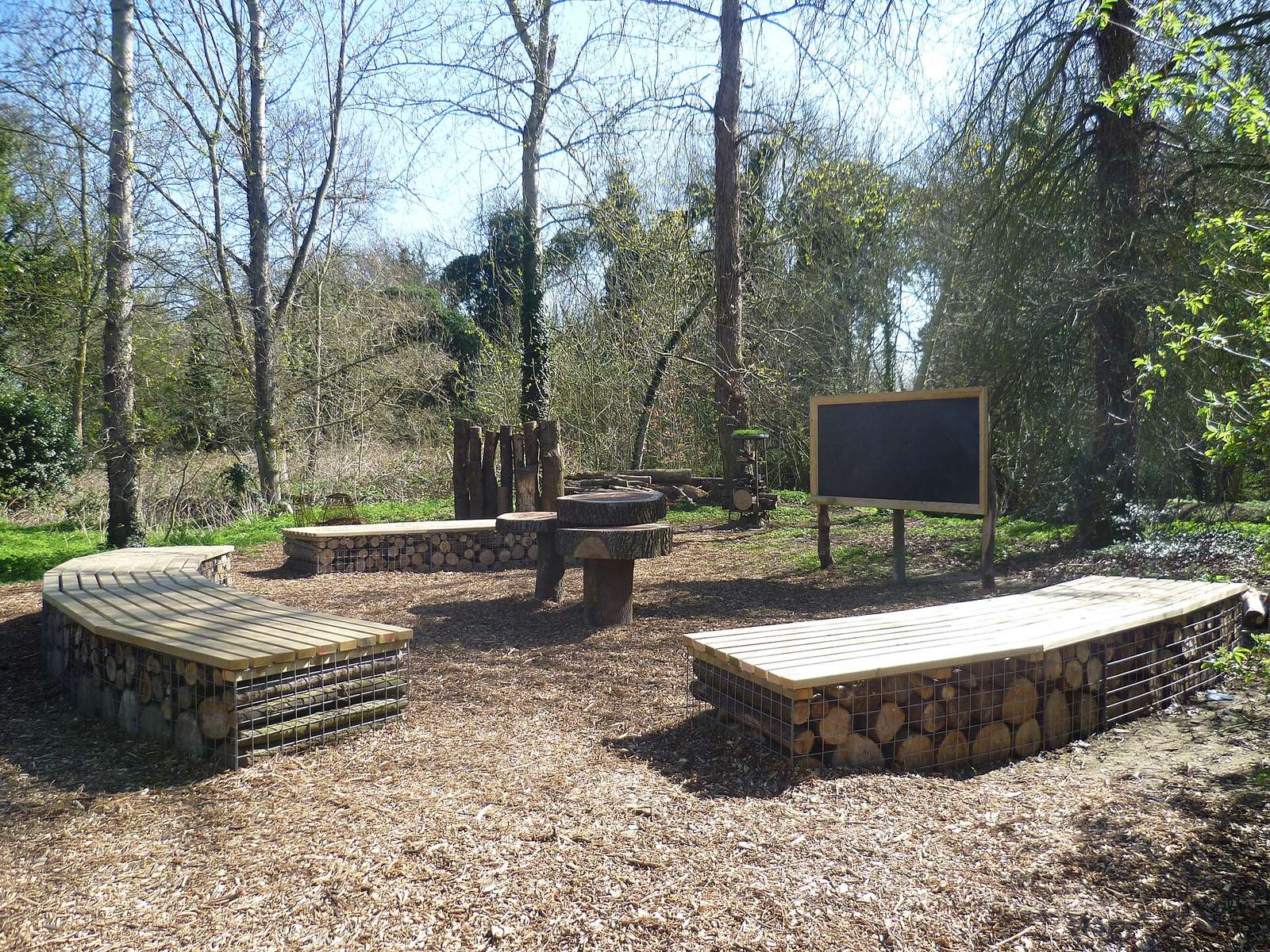
Small nooks, a tactile planting bed, a low platform, a table, and seating that faces the action give children a way to join in that does not depend on speed or nerve. The same places serve caregivers at pickup and neighbors on weekends.

What the research shows

Inclusive-play guidance separates inclusion from physical access. It calls for quiet sensory areas, space for companions who use mobility devices, and design with disabled children and their families. UNICEF's practice guide stresses participatory design and playgrounds as places where children with and without disabilities meet.

Making it work at a school

Cost
This is the lowest-cost, highest-use chapter. Seating, planting, and a few nooks can go in during any phase.
Visibility
Nooks stay in view of staff and have more than one exit. A quiet place that is hidden invites problems.
Neighborhood
Seating, tables, and a drinking-water point are what make the site read as a neighborhood park.
Co-design
The sensory mix depends on the actual students. Ask them and their families before choosing elements.
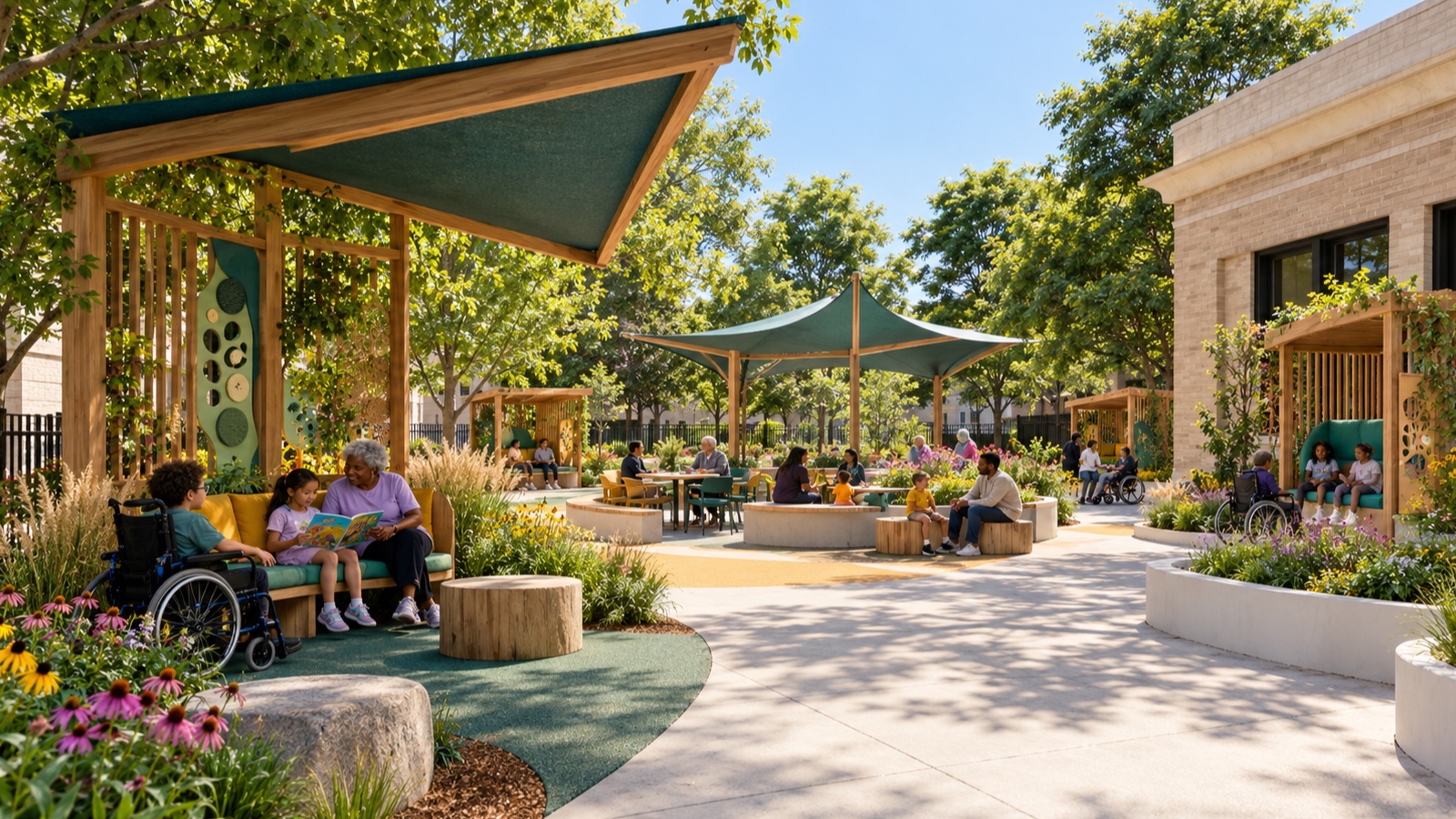
Concept illustration of a quiet planted nook beside a shared gathering space at Tubman
Concept illustration for discussion. One way this idea could look at Tubman.
06

Shade, trees, and water

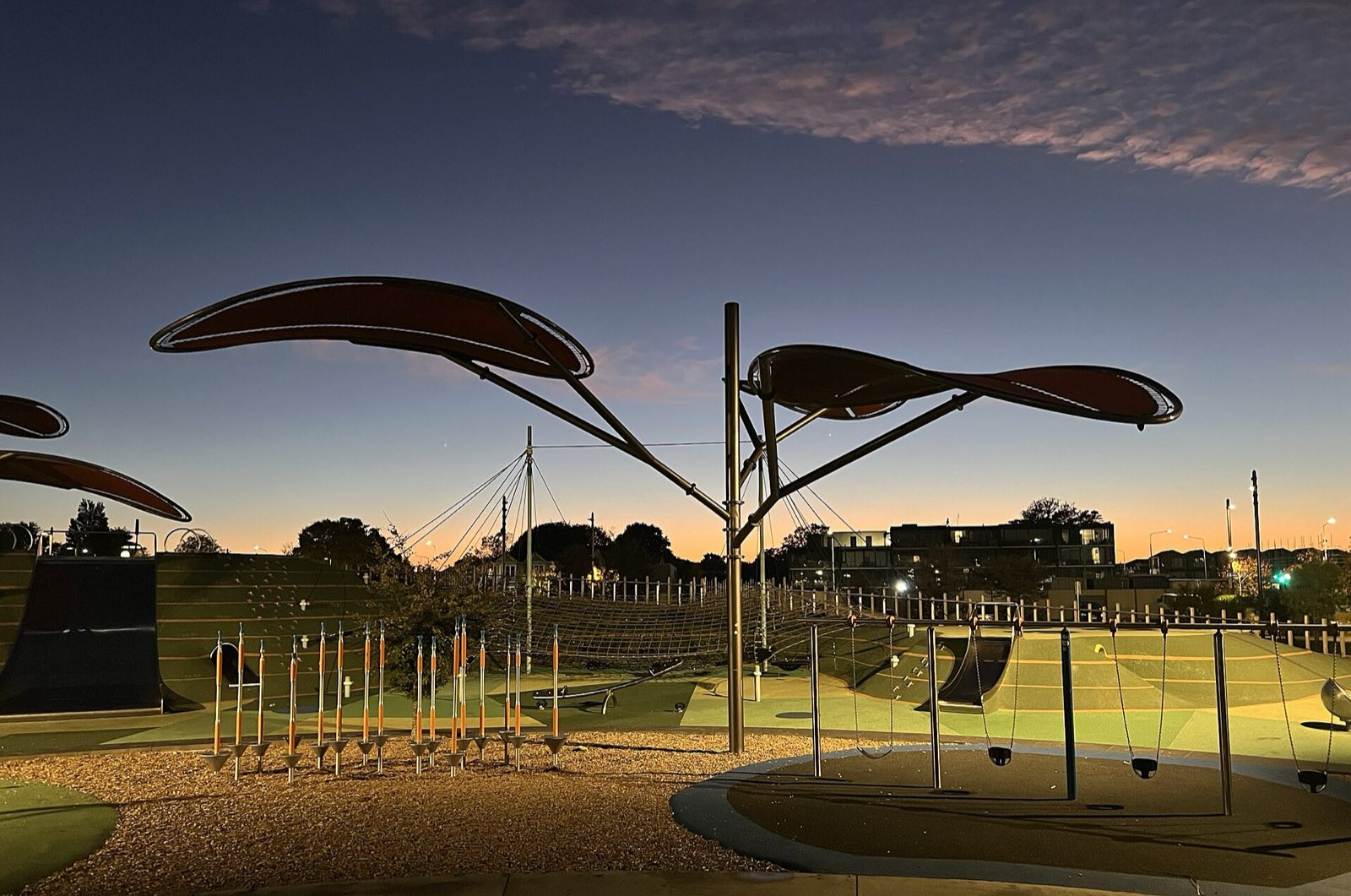
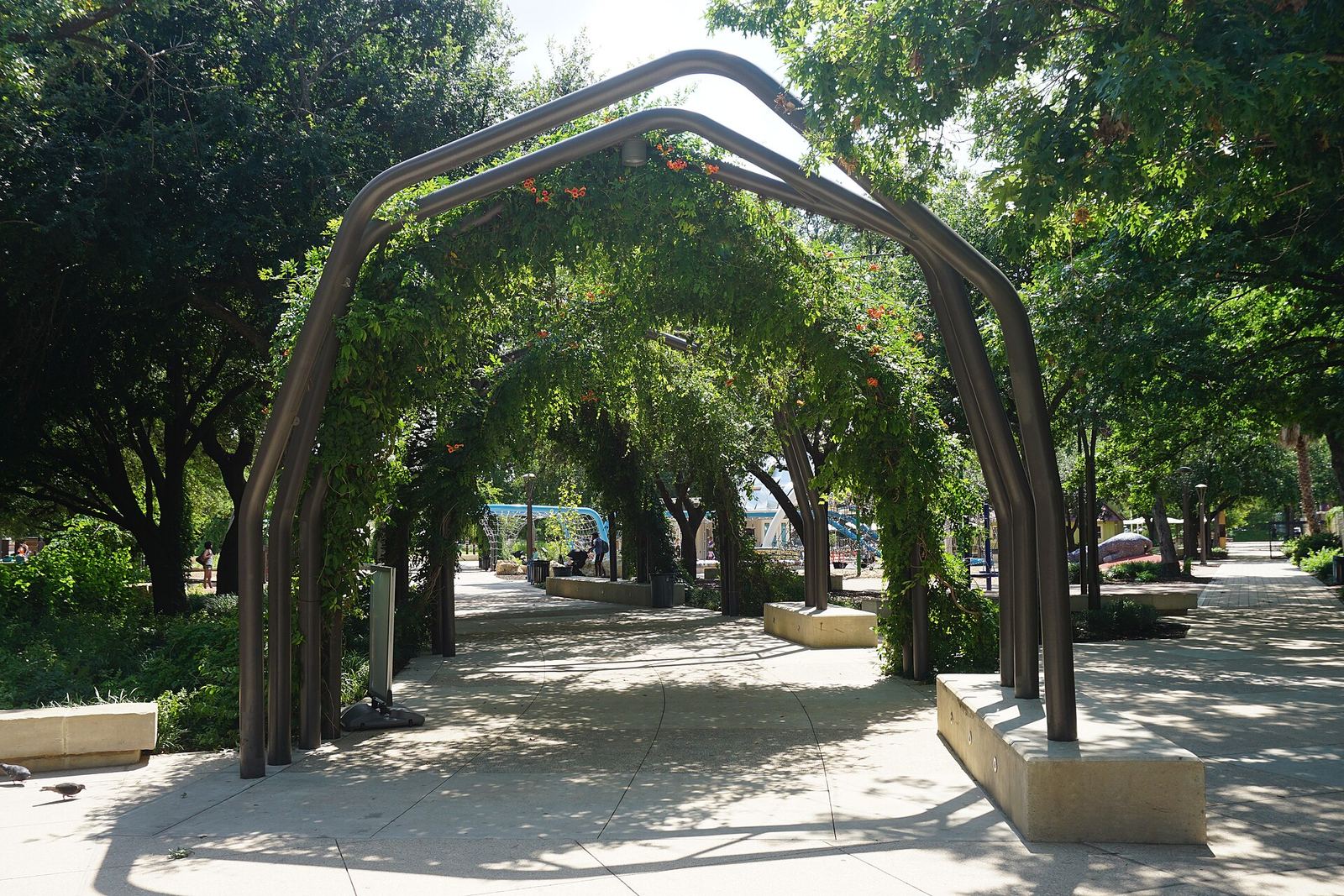
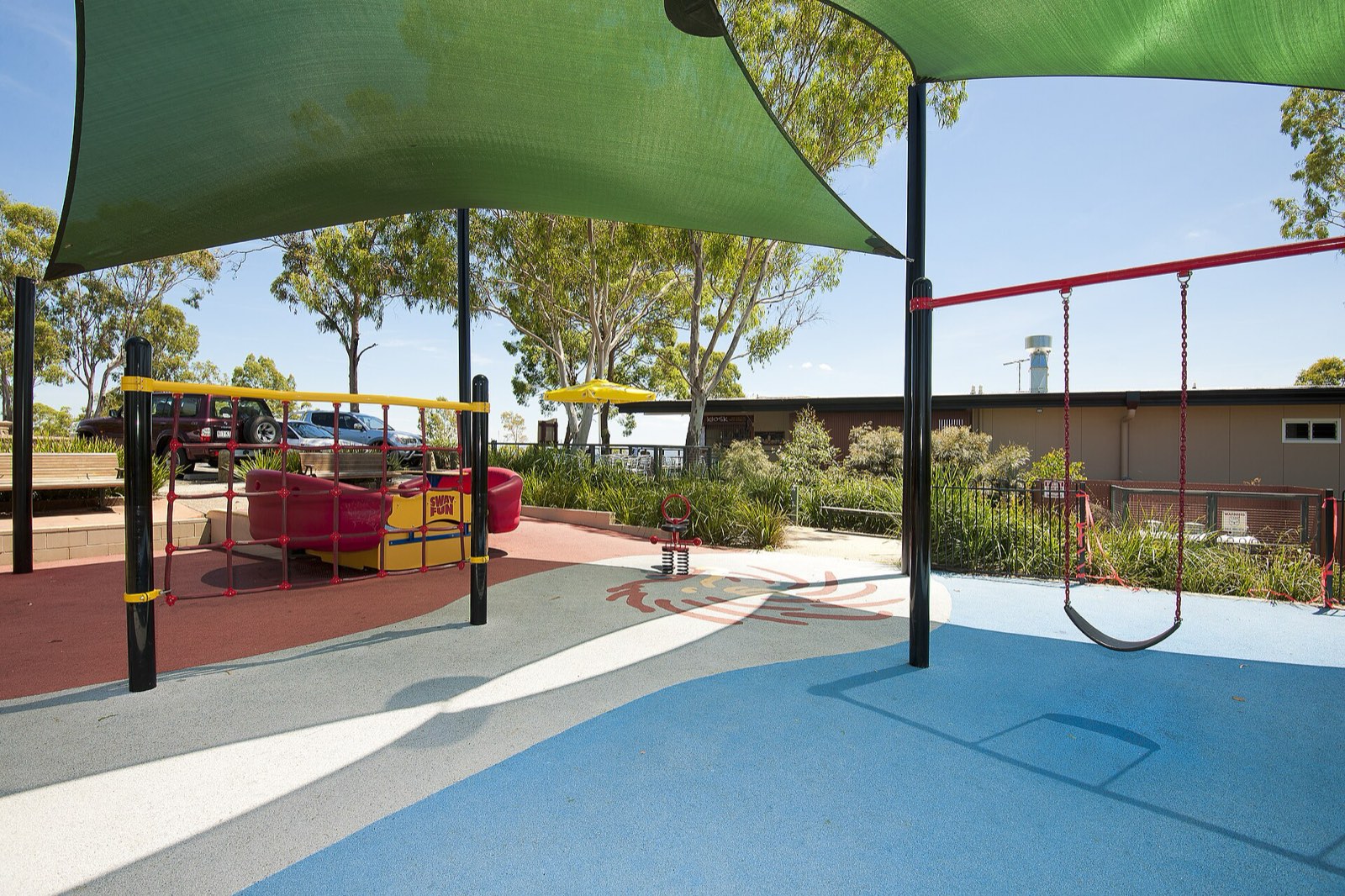
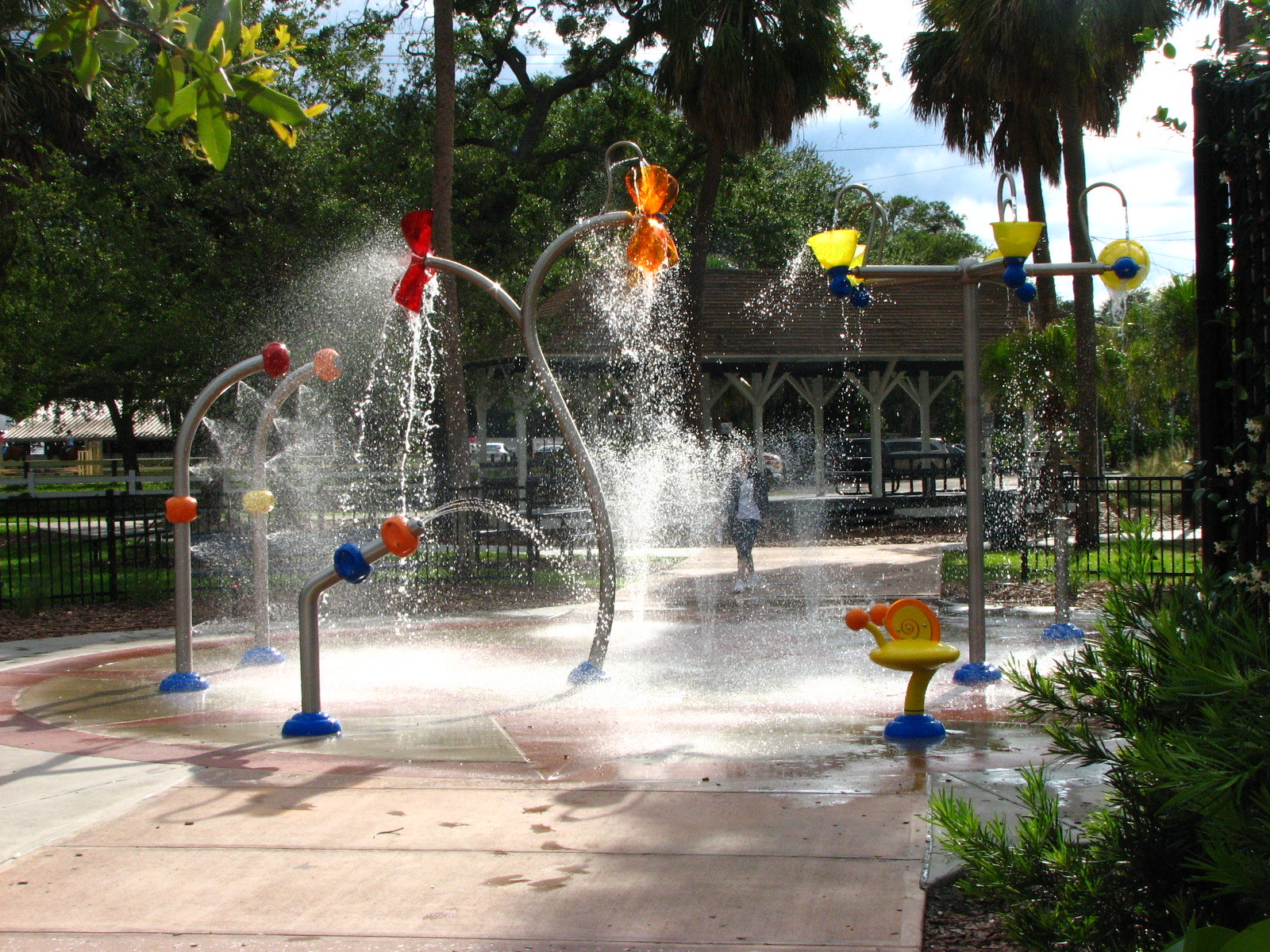
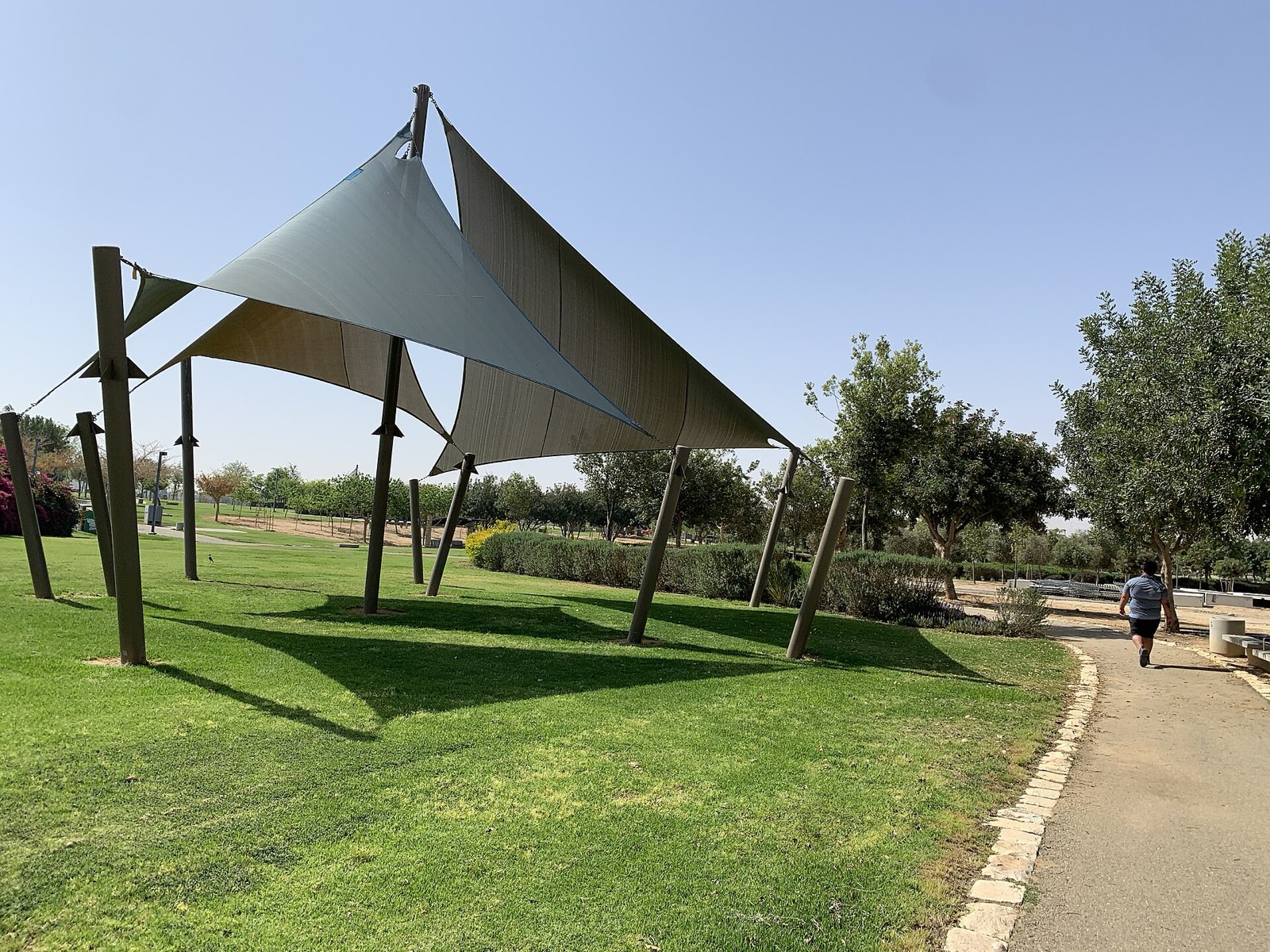
Shade goes where children play and wait. Sails give shade in the first summer and trees give it for the next fifty years. Rain gardens, a hand pump, or a shallow channel put water to work as part of the design.

What the research shows

EPA describes how trees and vegetation cool surfaces and air through shade and evapotranspiration. CPSC warns that plastic, metal, and rubber surfacing can burn skin on sunny days, even in mild weather, and recommends shading equipment. CDC lists shade structures and trees among schoolyard heat strategies.

Making it work at a school

Sun study
Count real summer sun angles on this yard before placing sails or trees. Tree symbols on a plan do not show shade.
Maintenance
Sails need engineered footings, a wind and snow review, and fabric replacement. Trees need root space, watering while young, and pruning.
Water
Hand pumps and channels run seasonally and need drainage. A rain garden can double as a lesson and may open stormwater funding. Ask the design team.
Surfaces
Rubber gets hot. Where rubber is needed, shade it. Where it is not needed, consider turf, mulch, or planting.
07

How it comes together

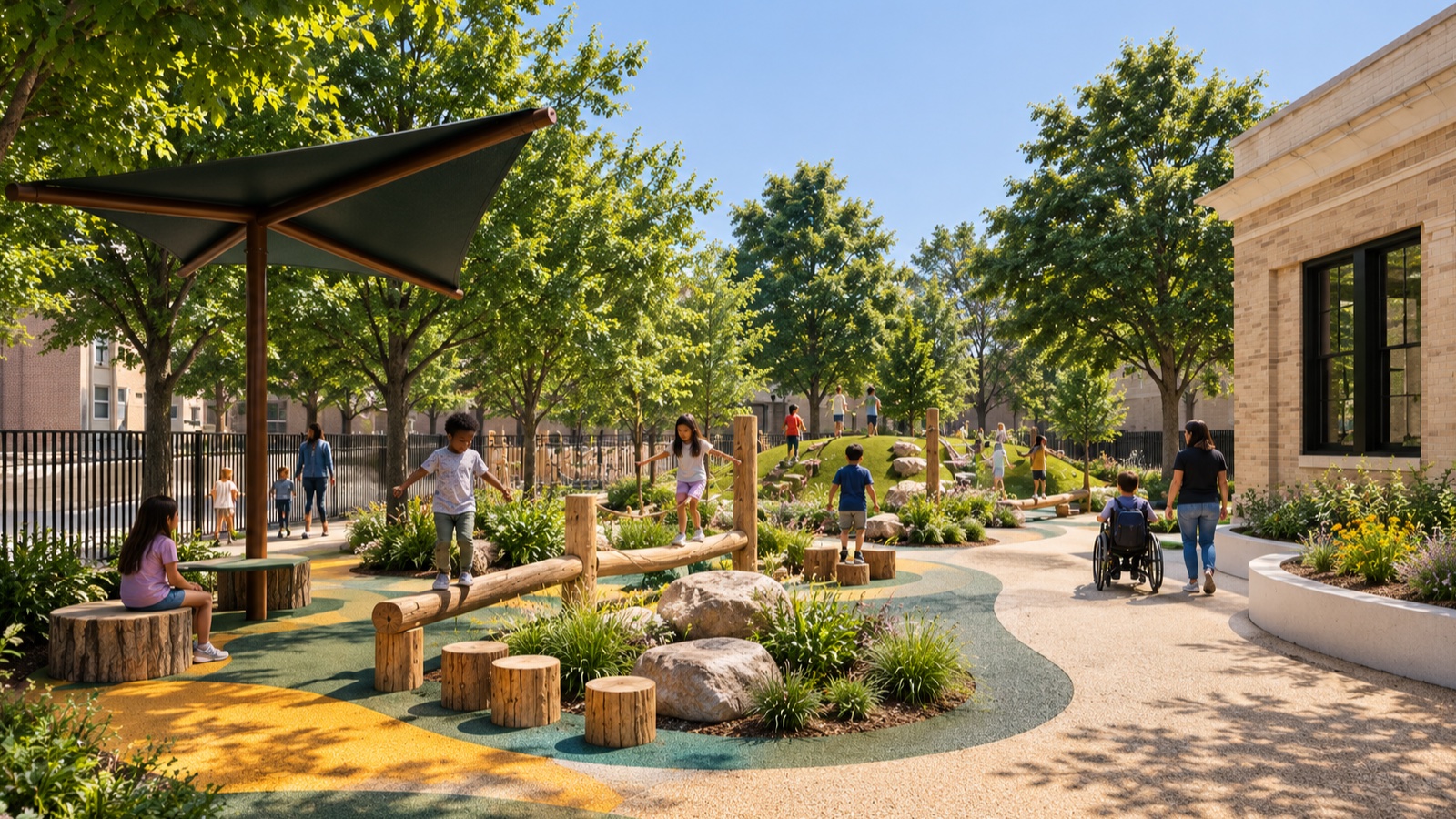
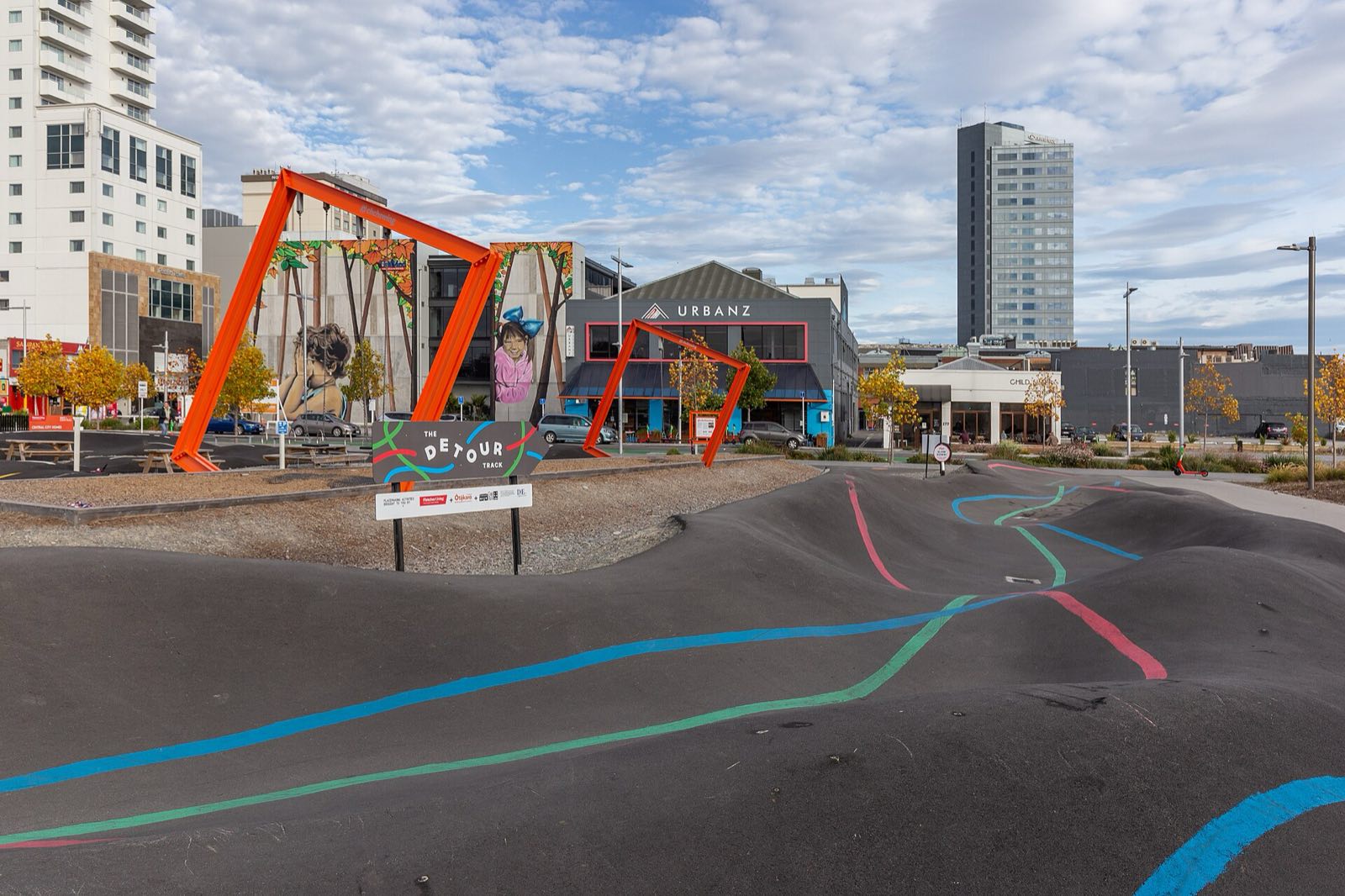
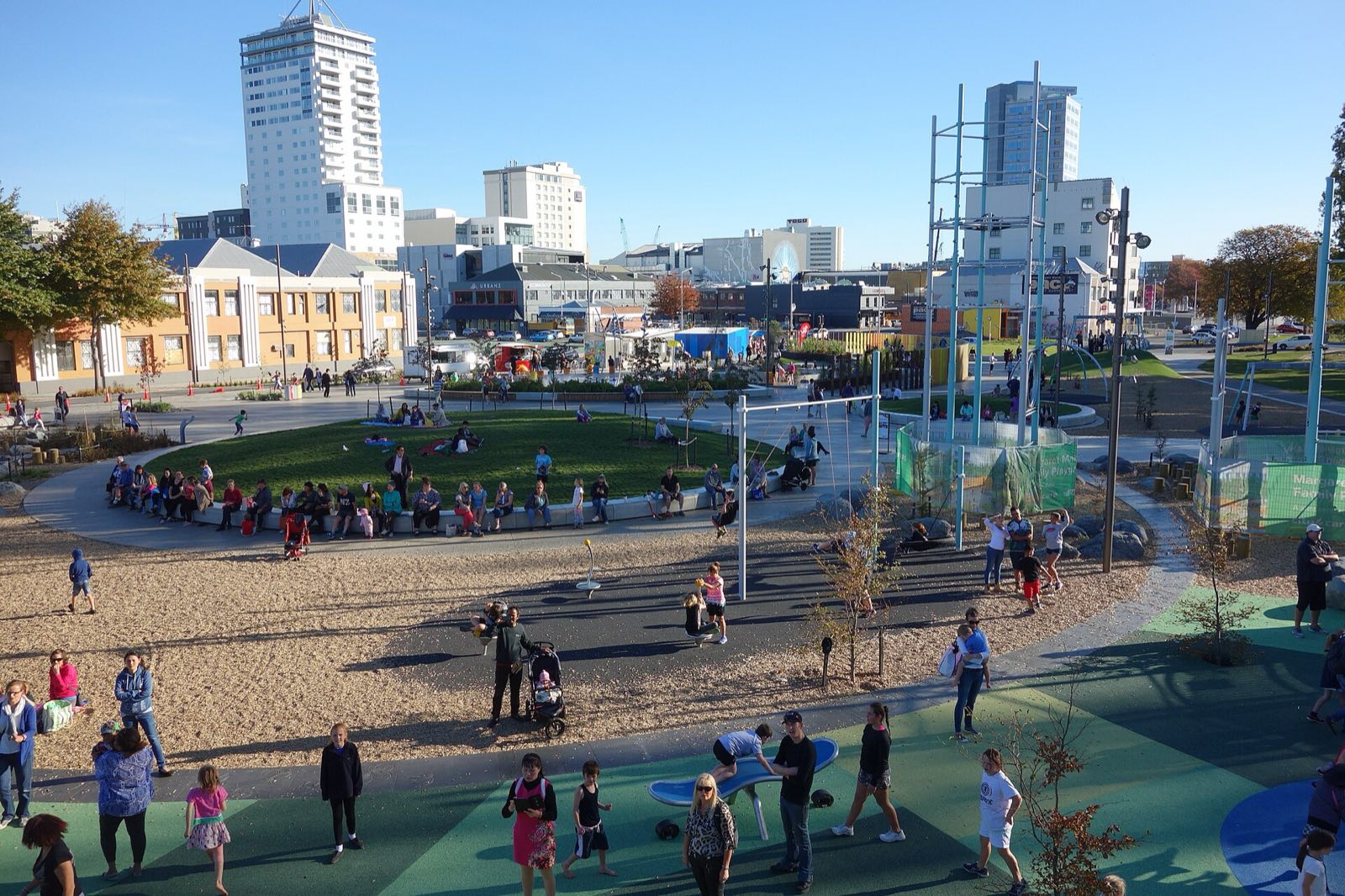
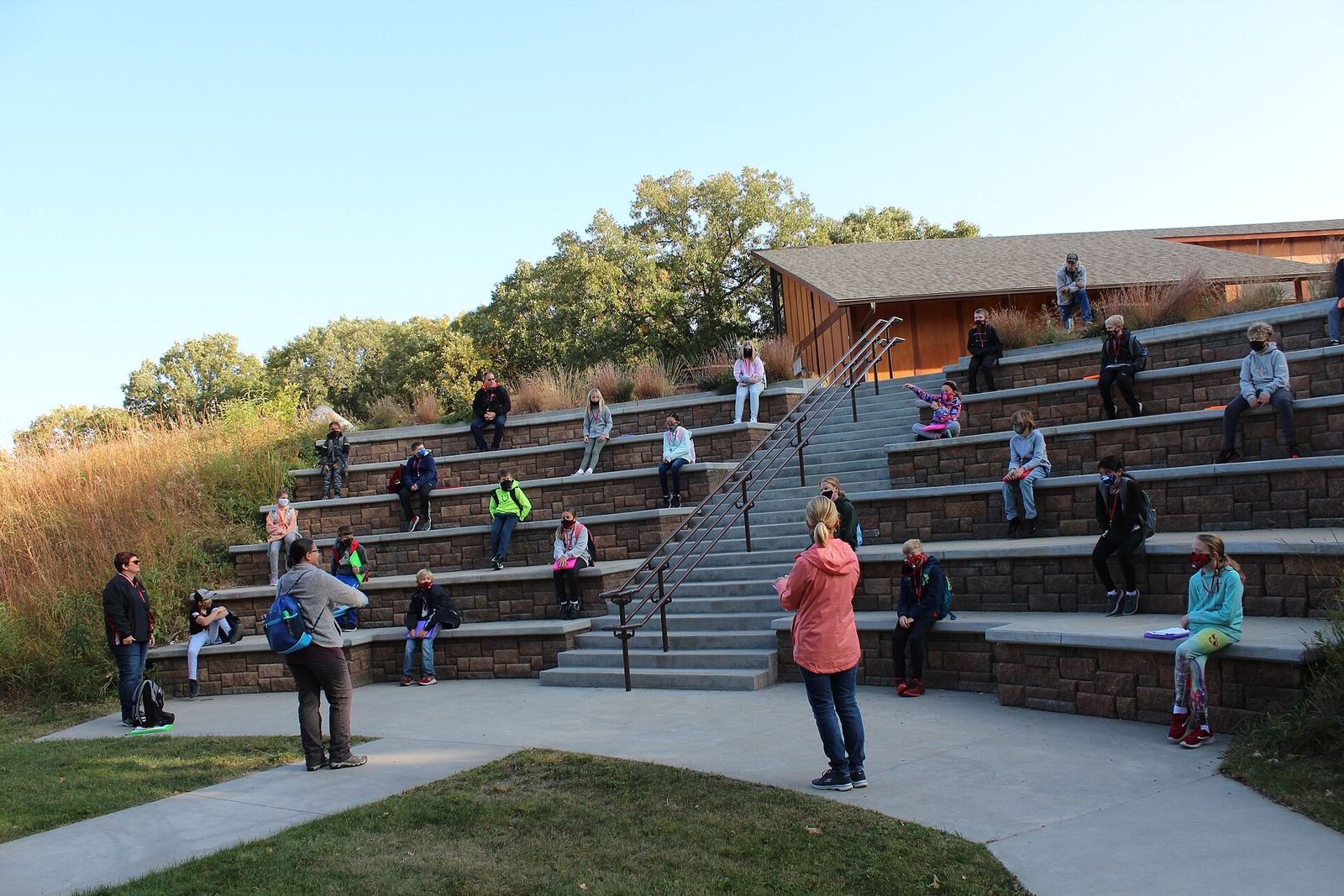
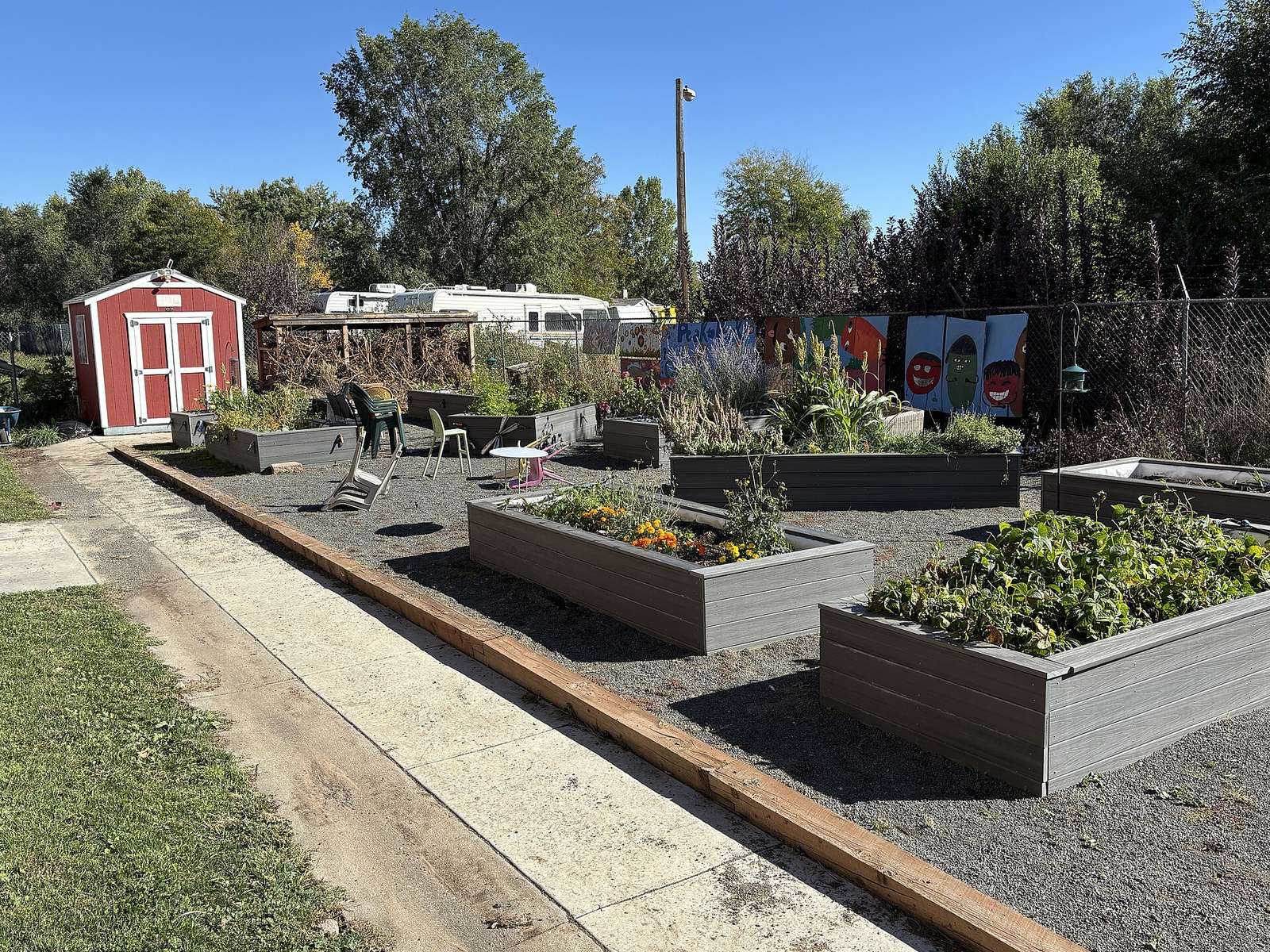
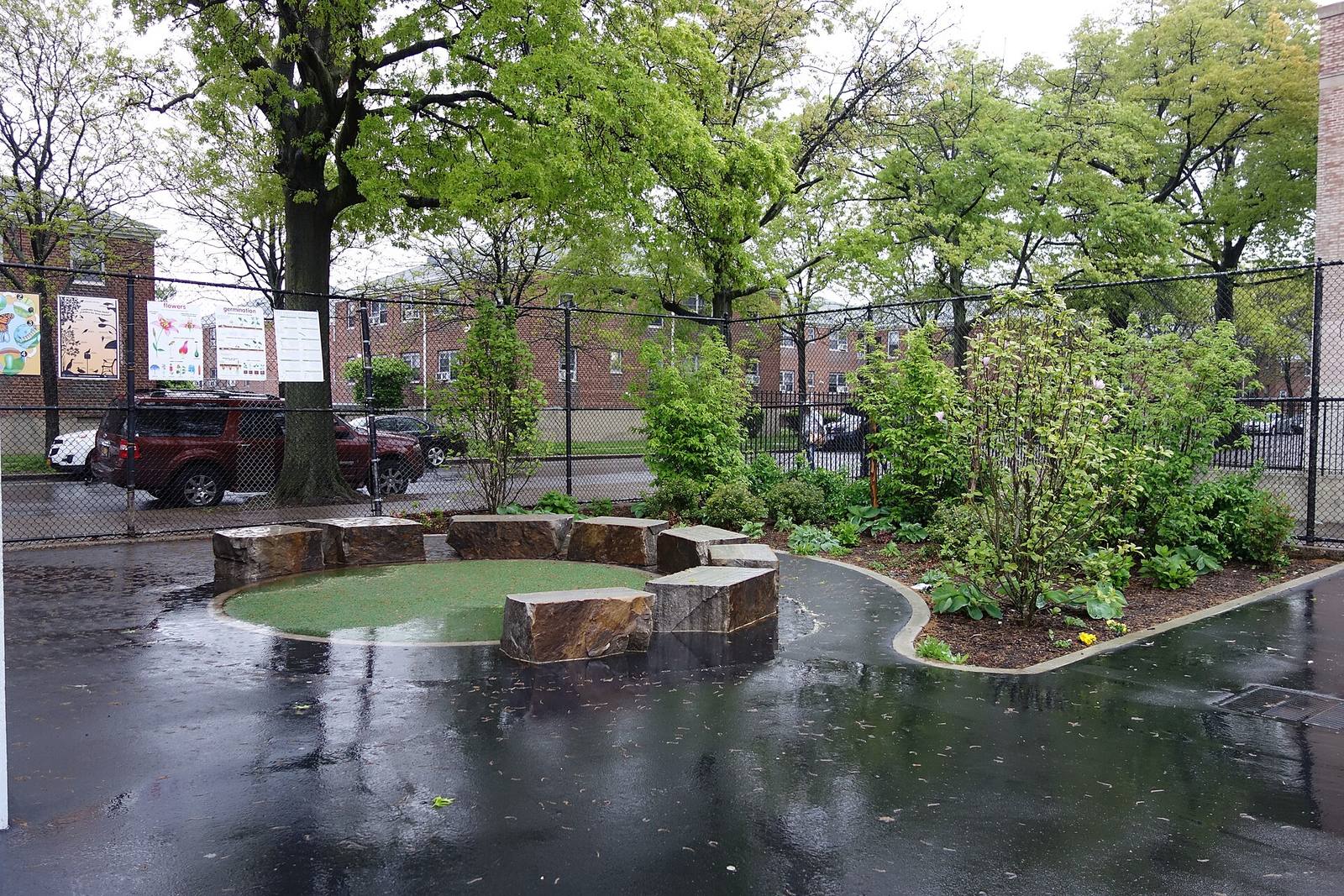
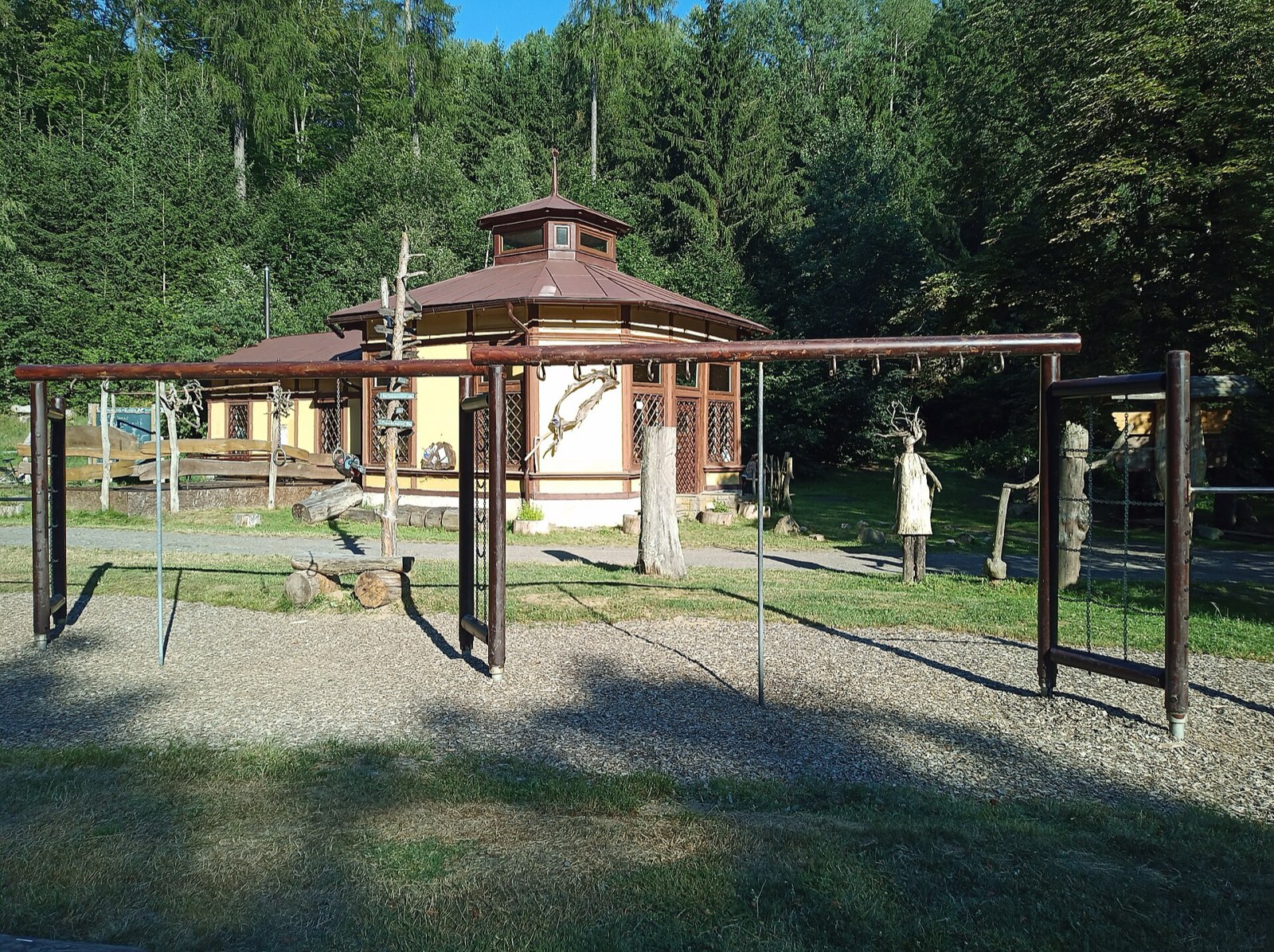
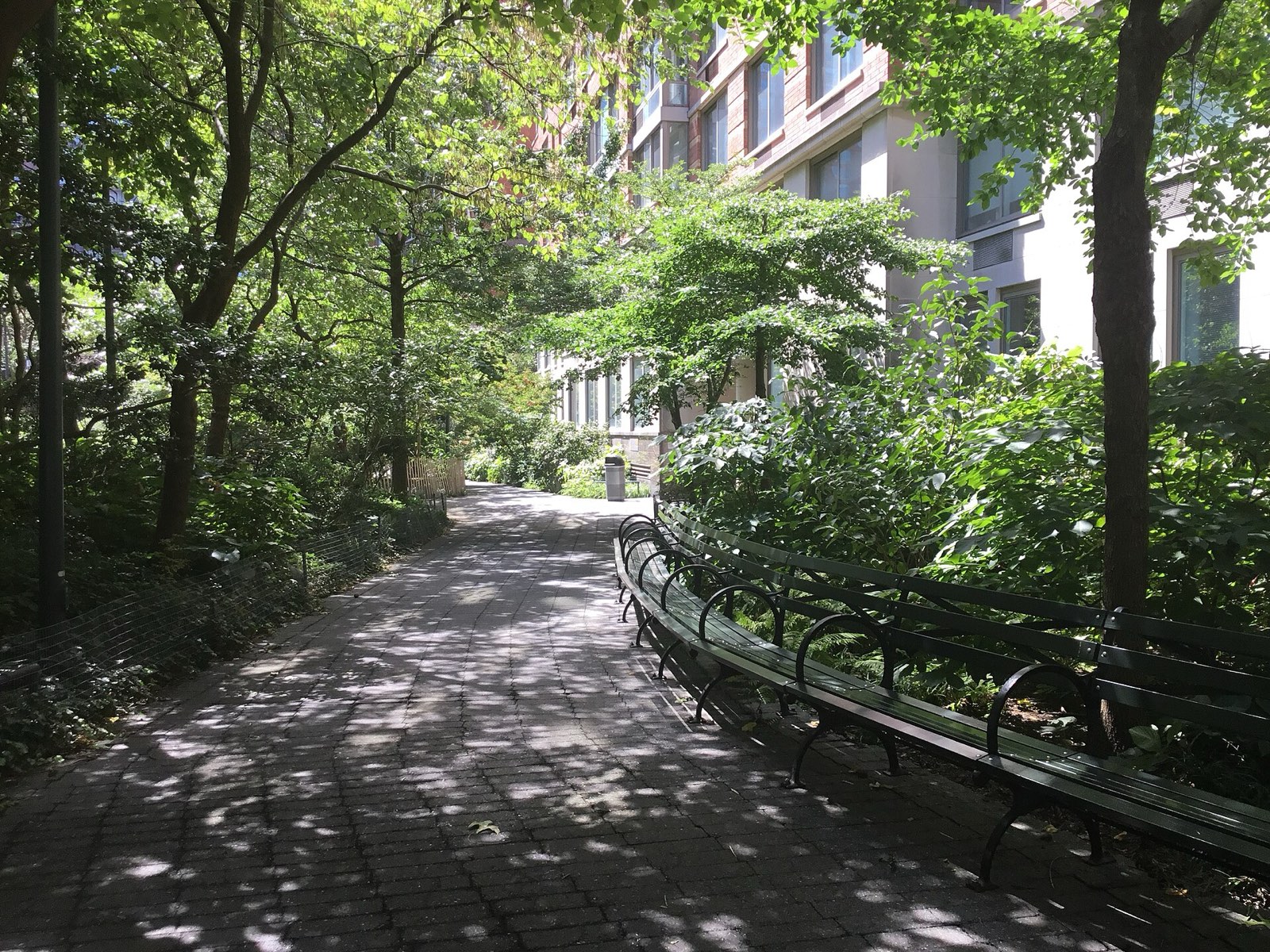
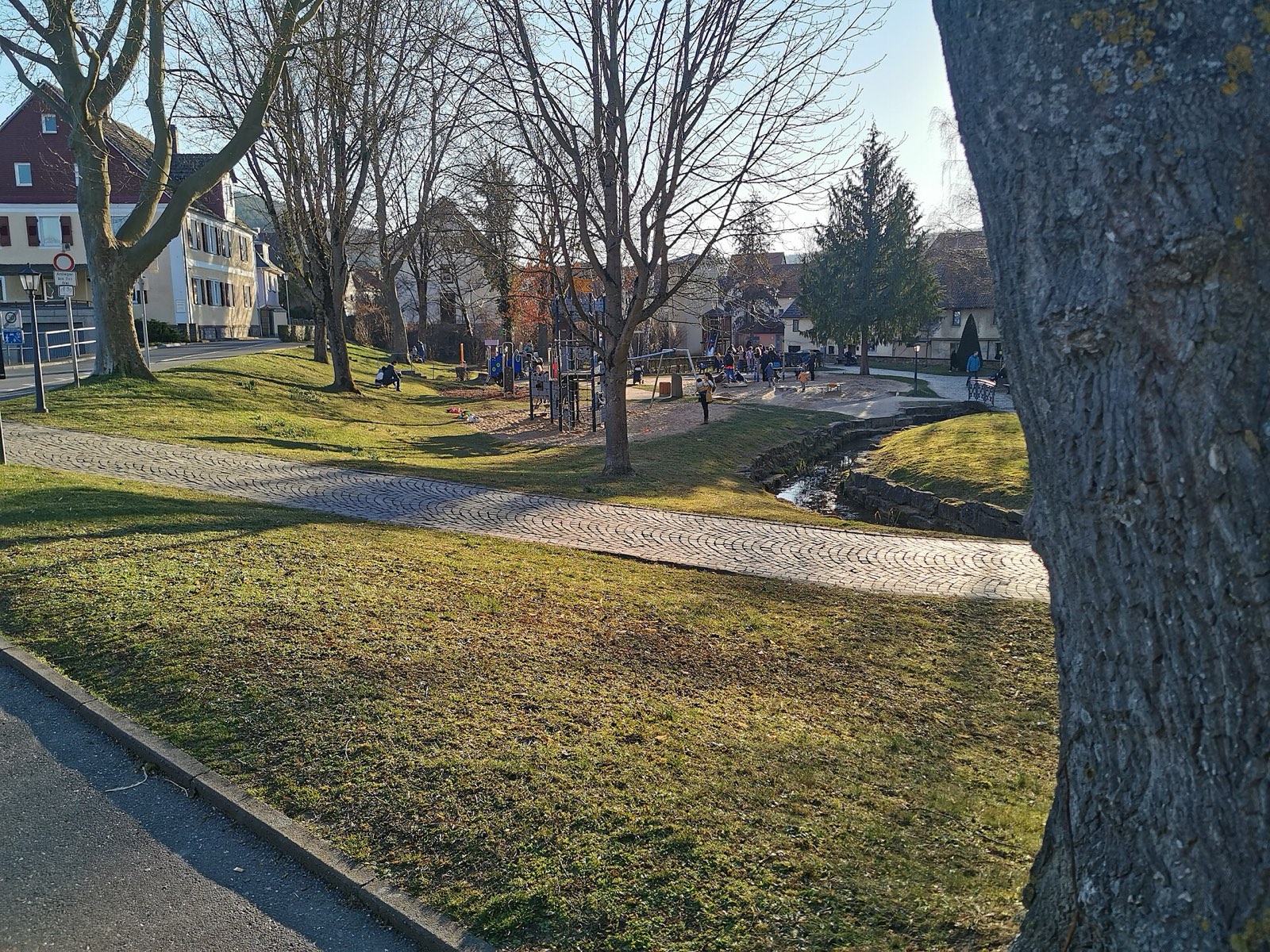
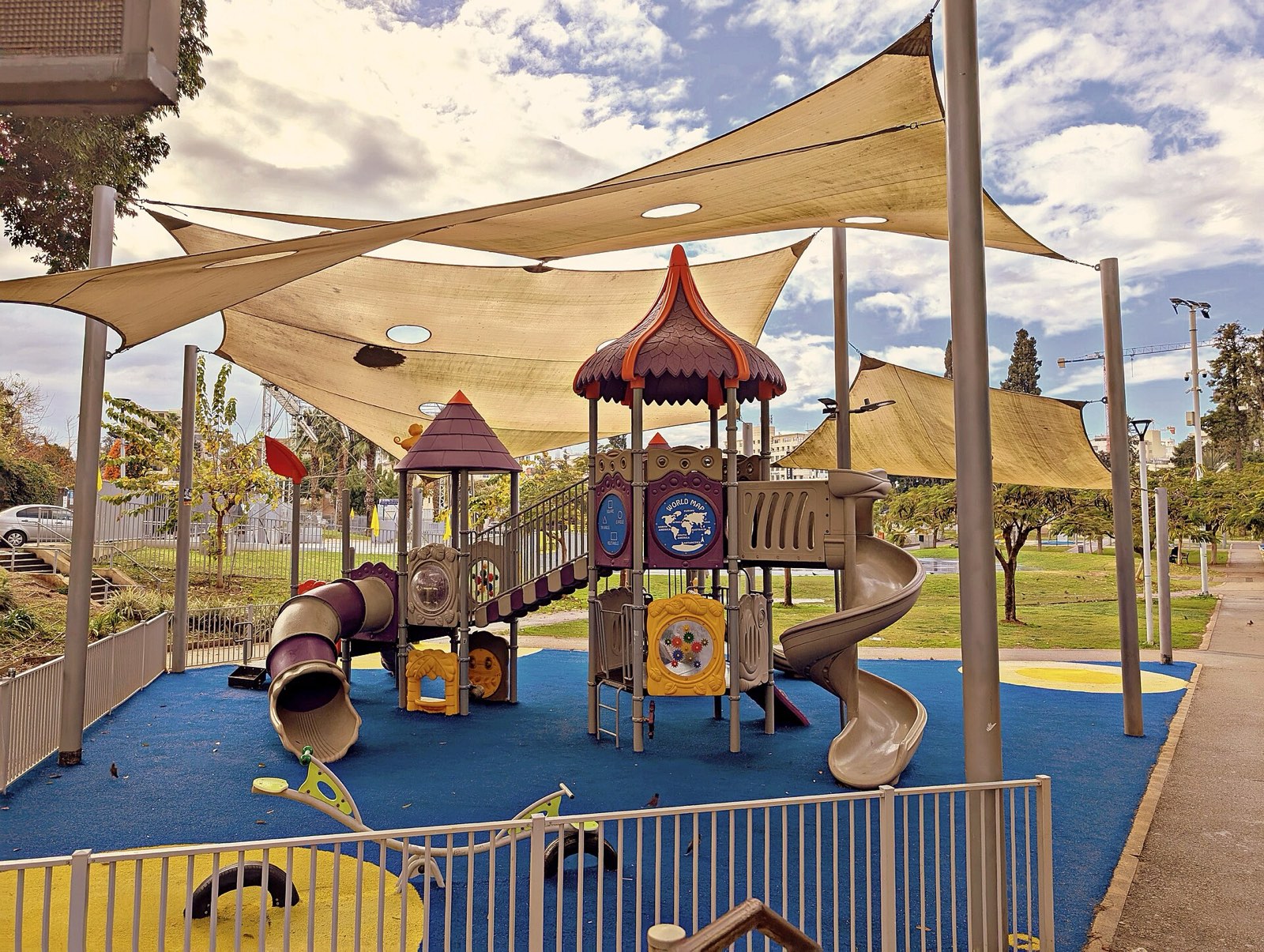
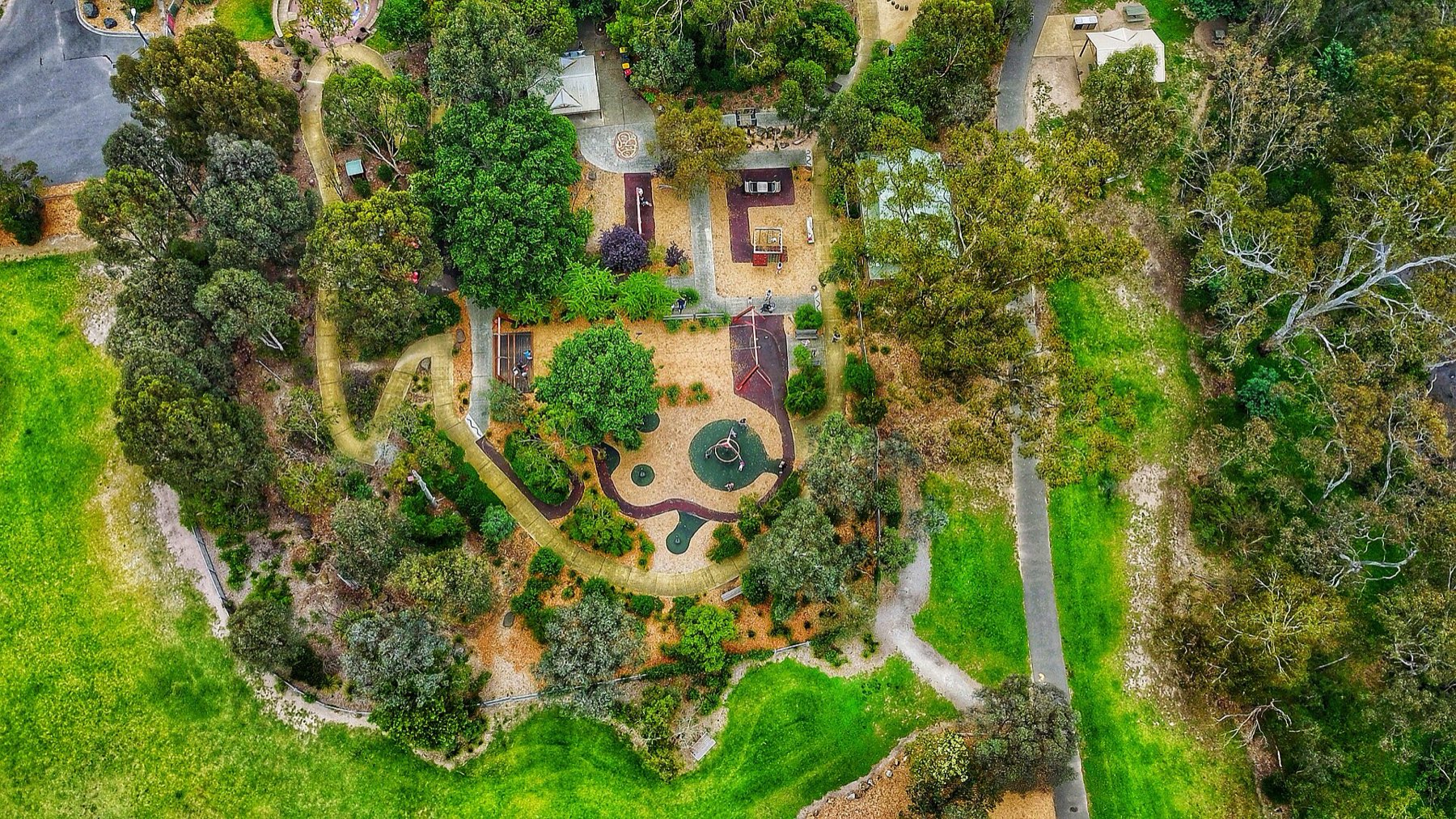
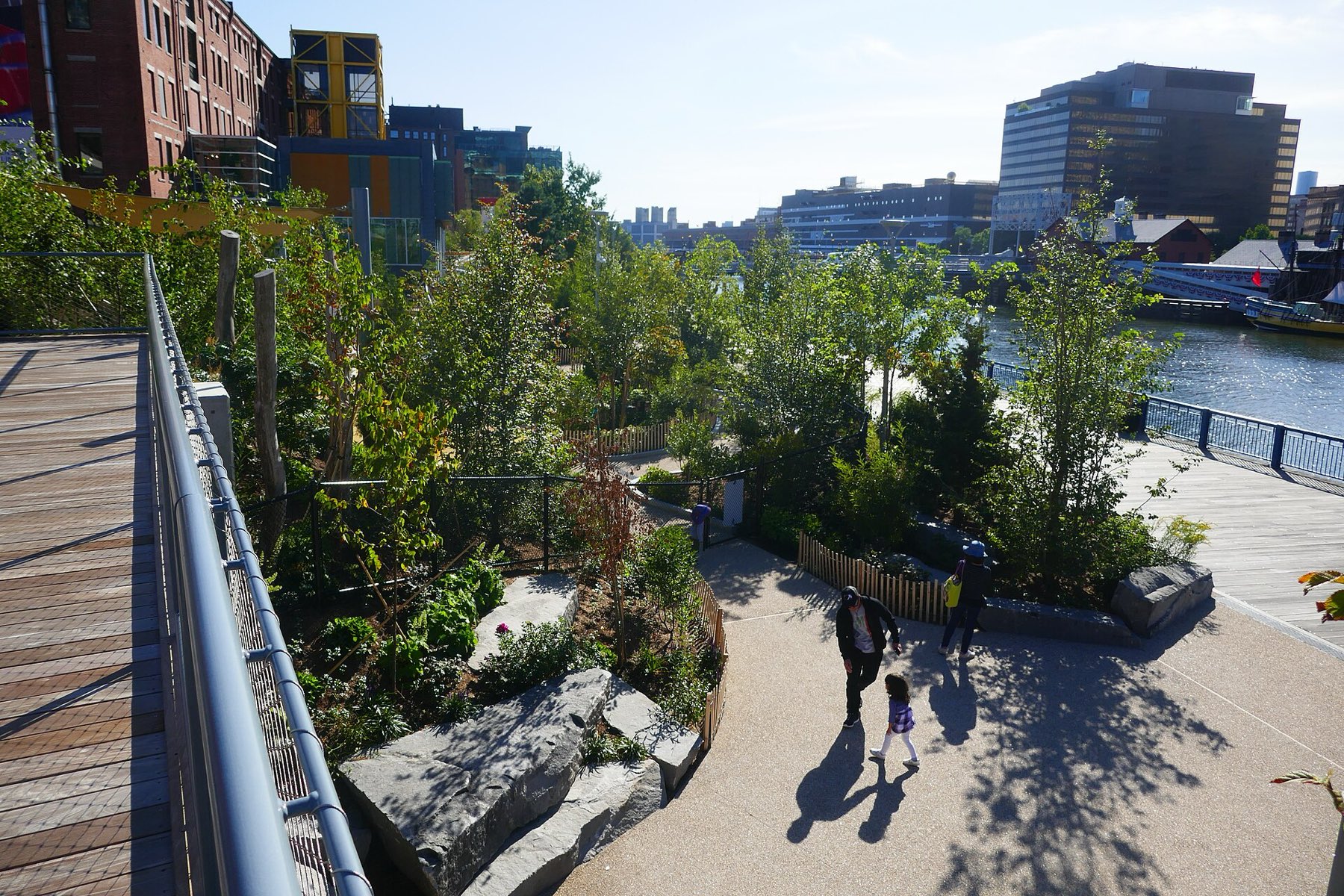
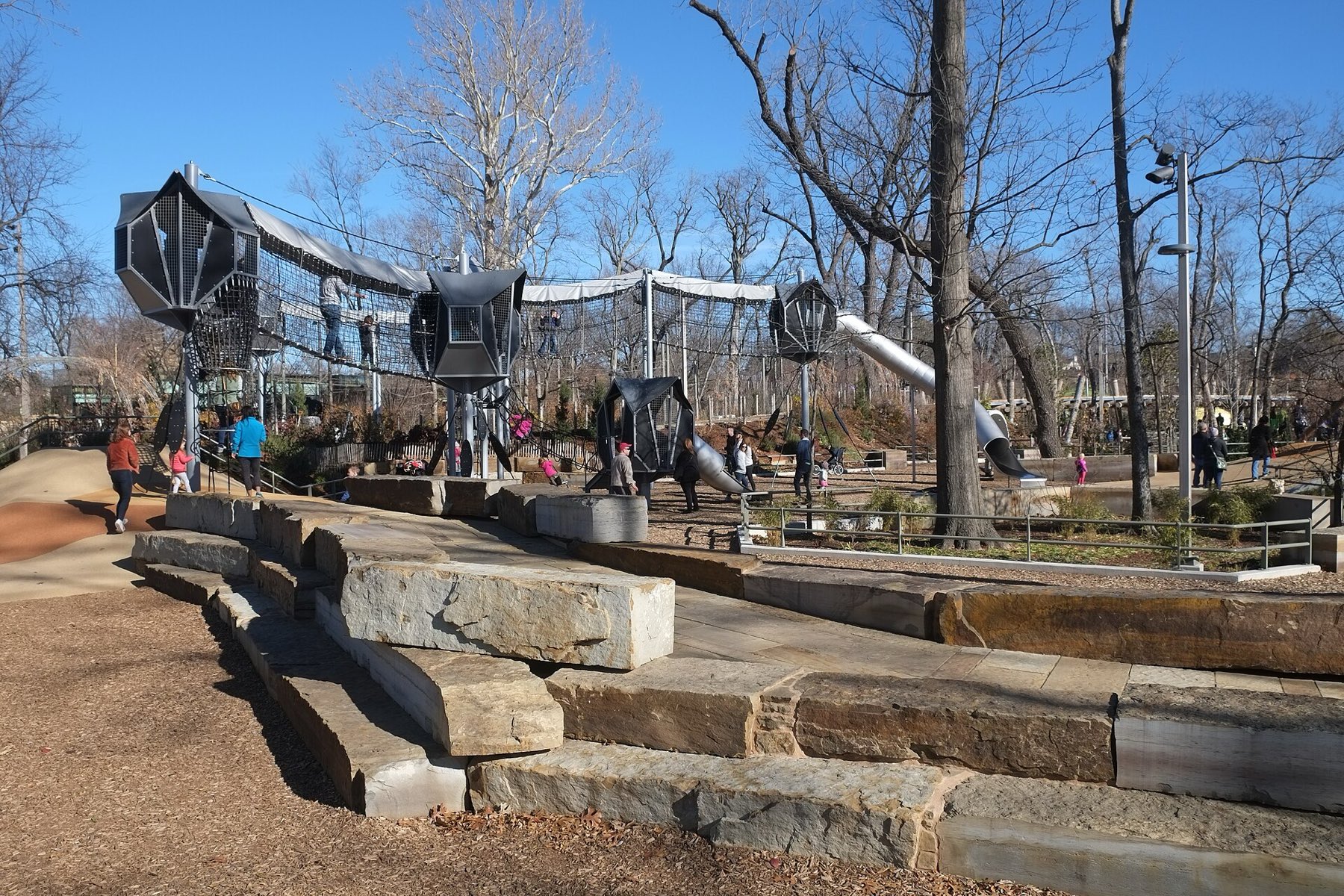
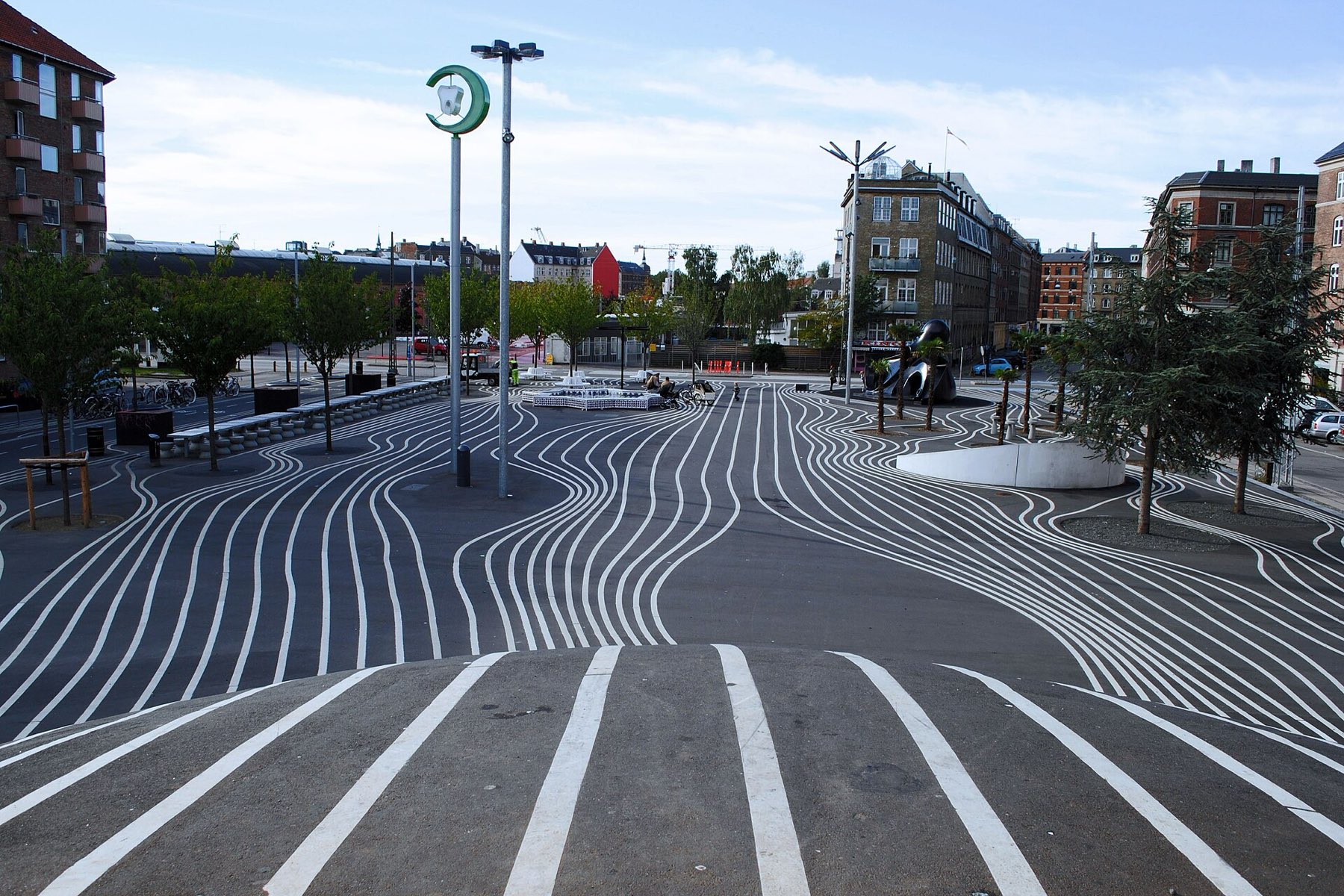
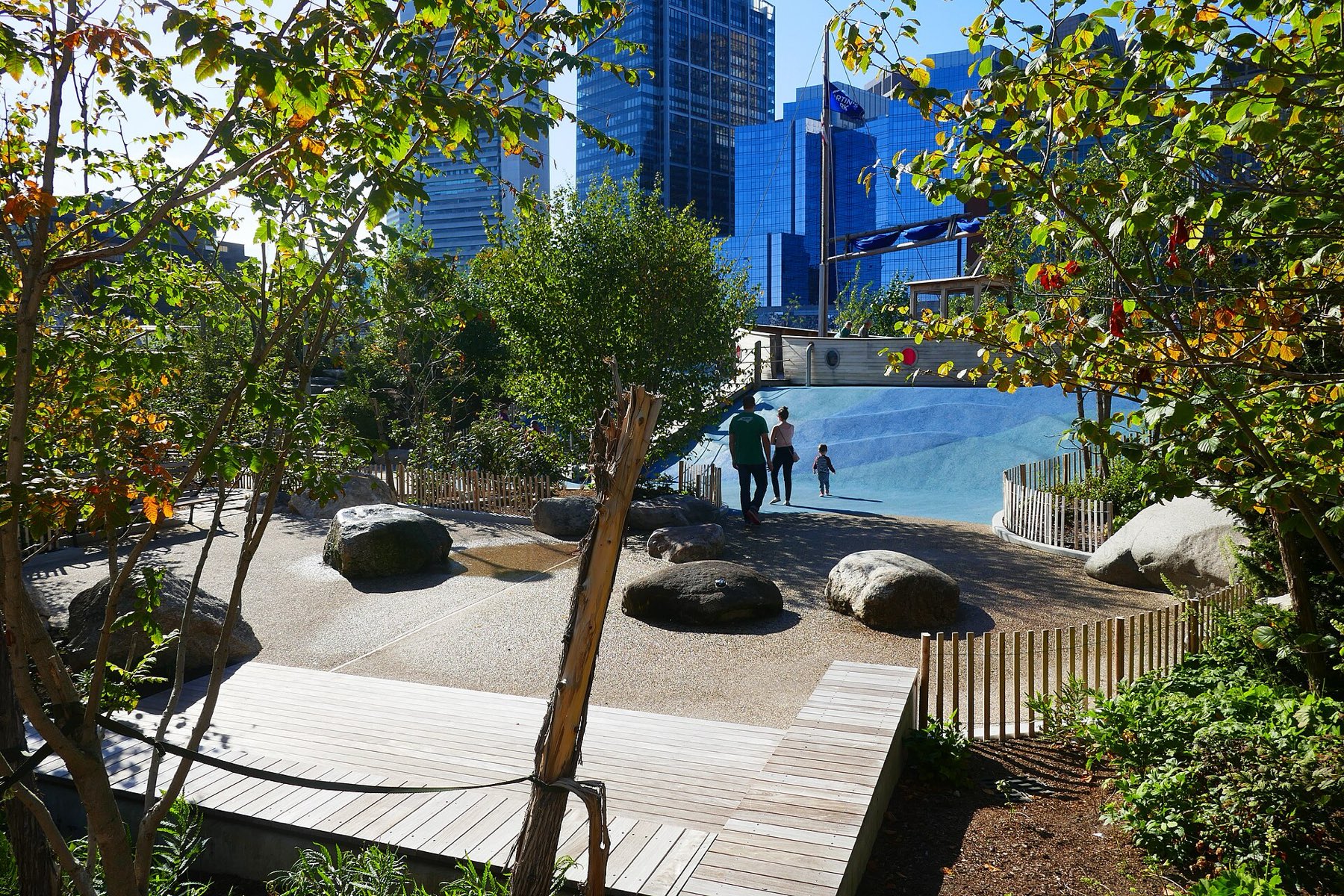
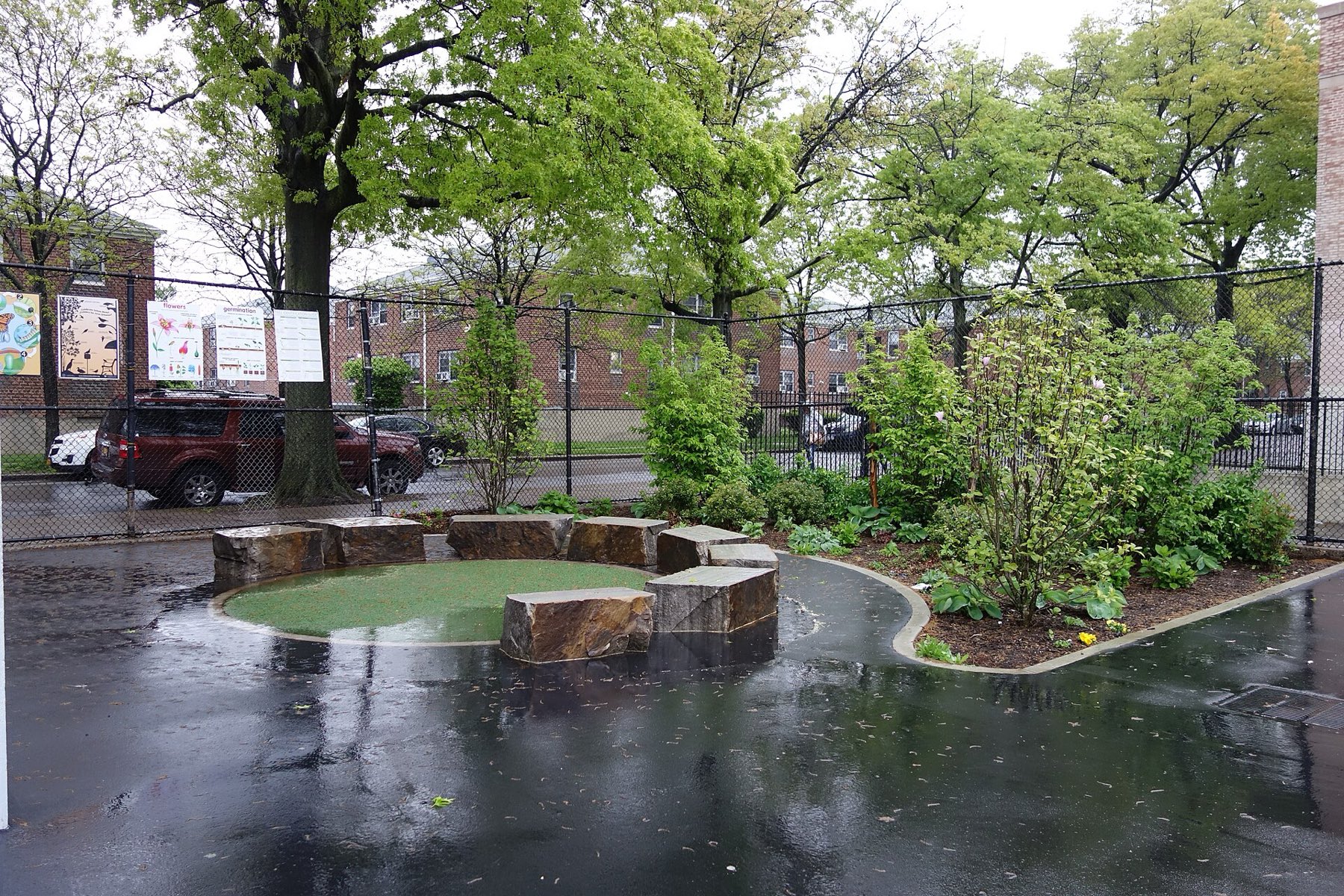
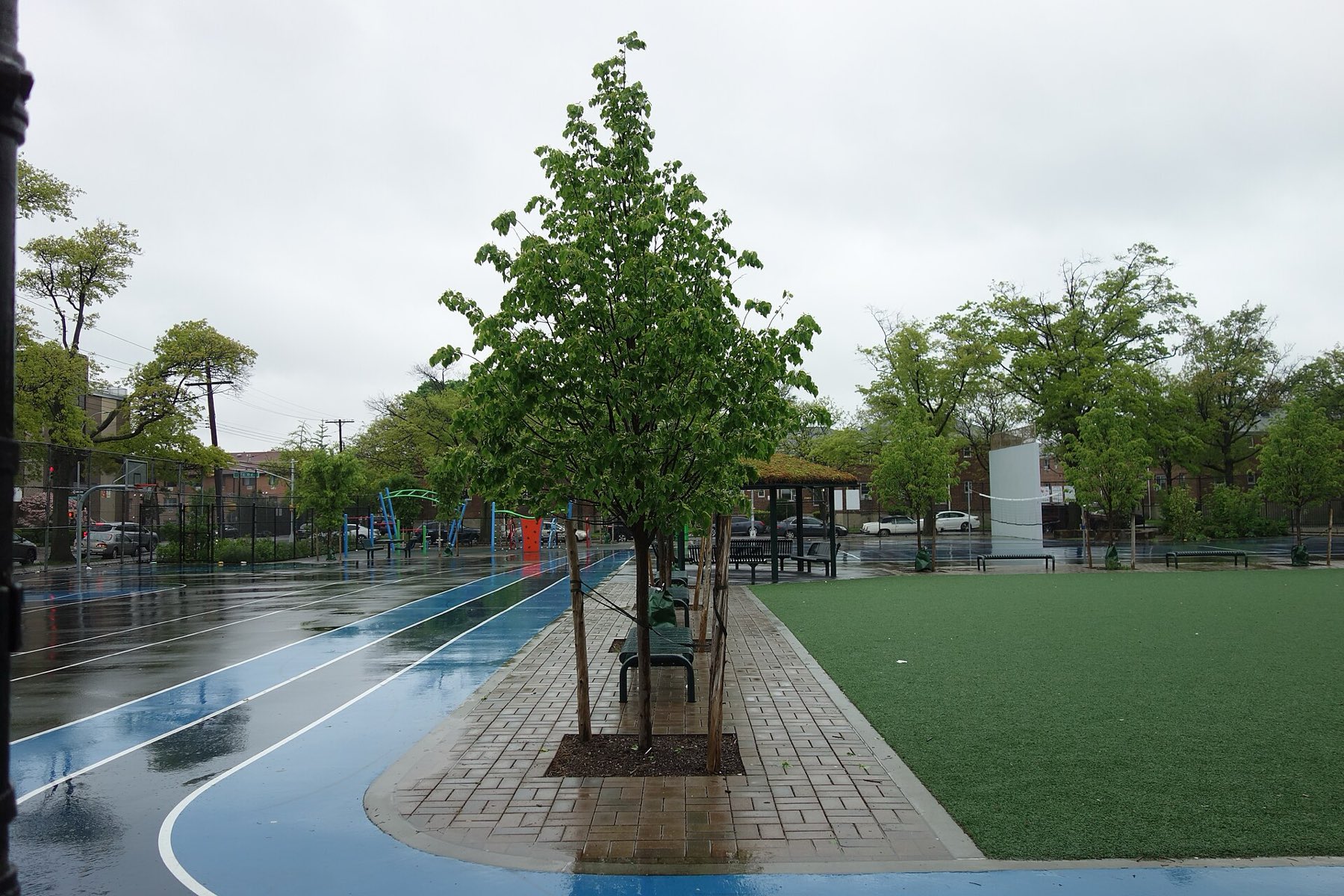
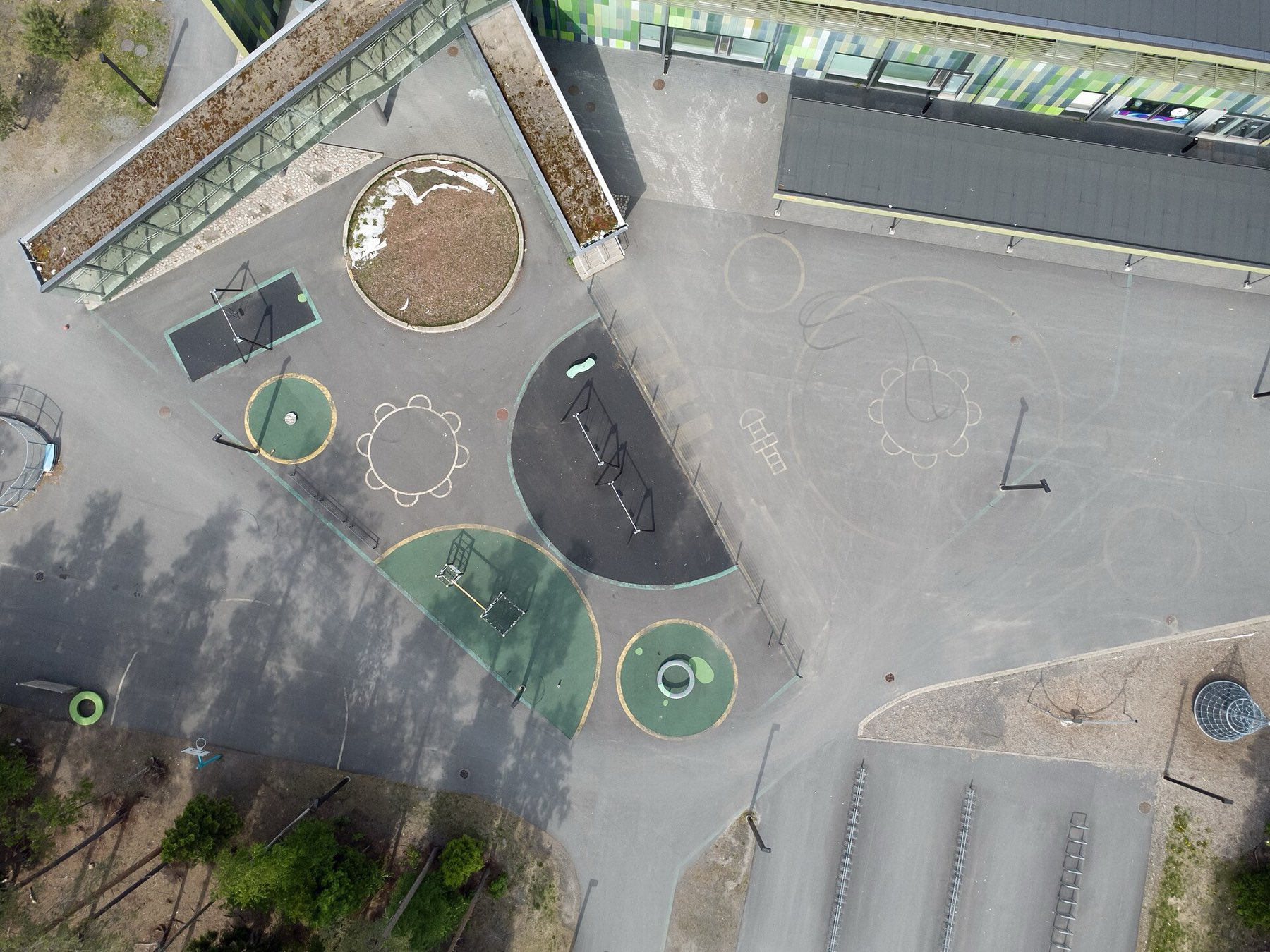
The parks and schoolyards below put several of these ideas on one site. Look at how the zones sit next to each other, where the paths run, and how much of the ground is planted.

What the research shows

Guidance from CPSC recommends dispersing popular uses, separating conflicting activities, and keeping open fields, sand, quiet areas, and equipment in distinct sections that adults can still see. A 2024 review of 51 studies found no single feature that was consistently best, so offering several kinds of play is the safer choice.

Making it work at a school

Scale
Most of these are larger than Tubman. Look for the ideas that scale down: one landmark, paths that loop, planted edges, and separate rooms.
Chicago
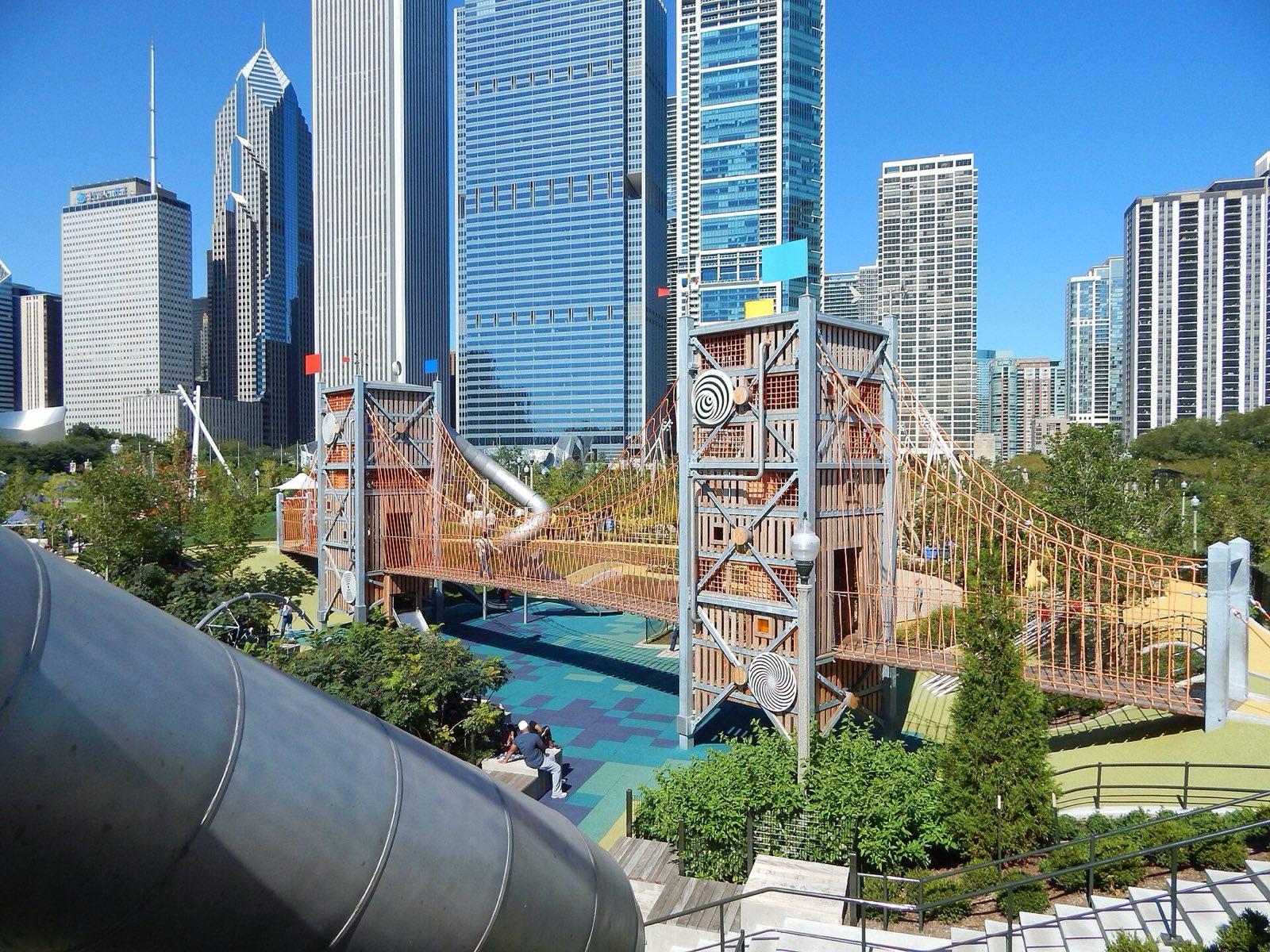
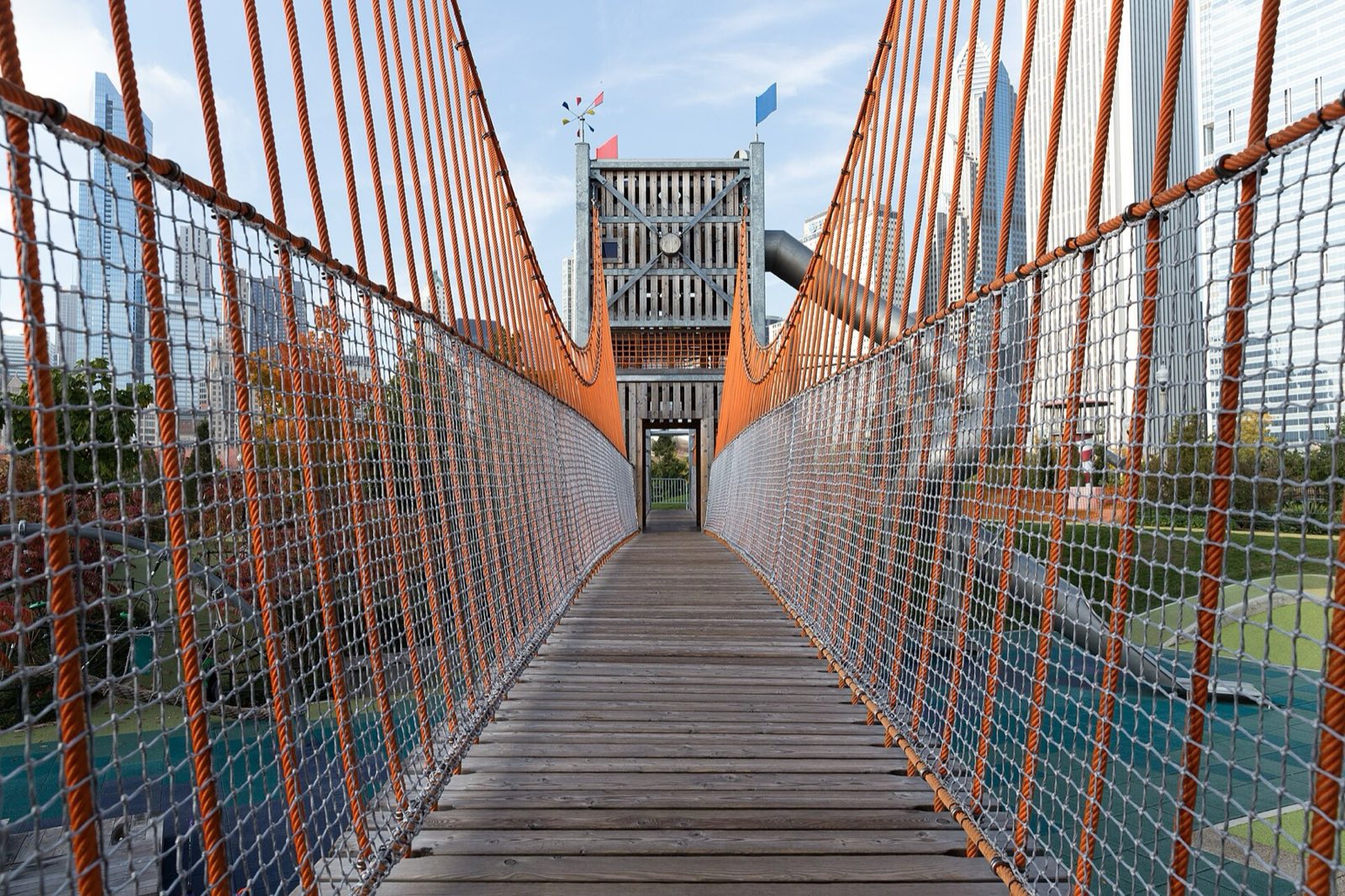
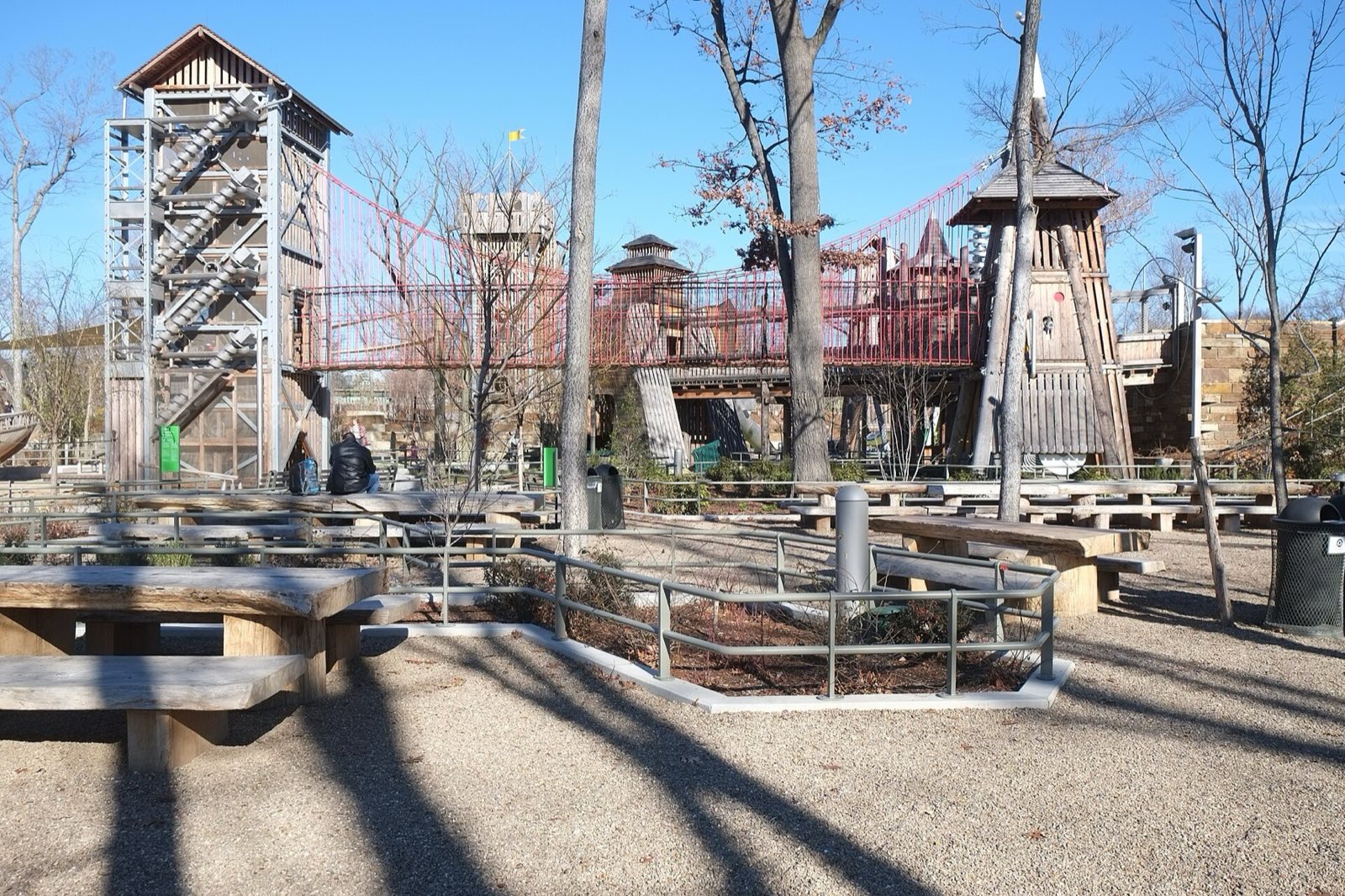
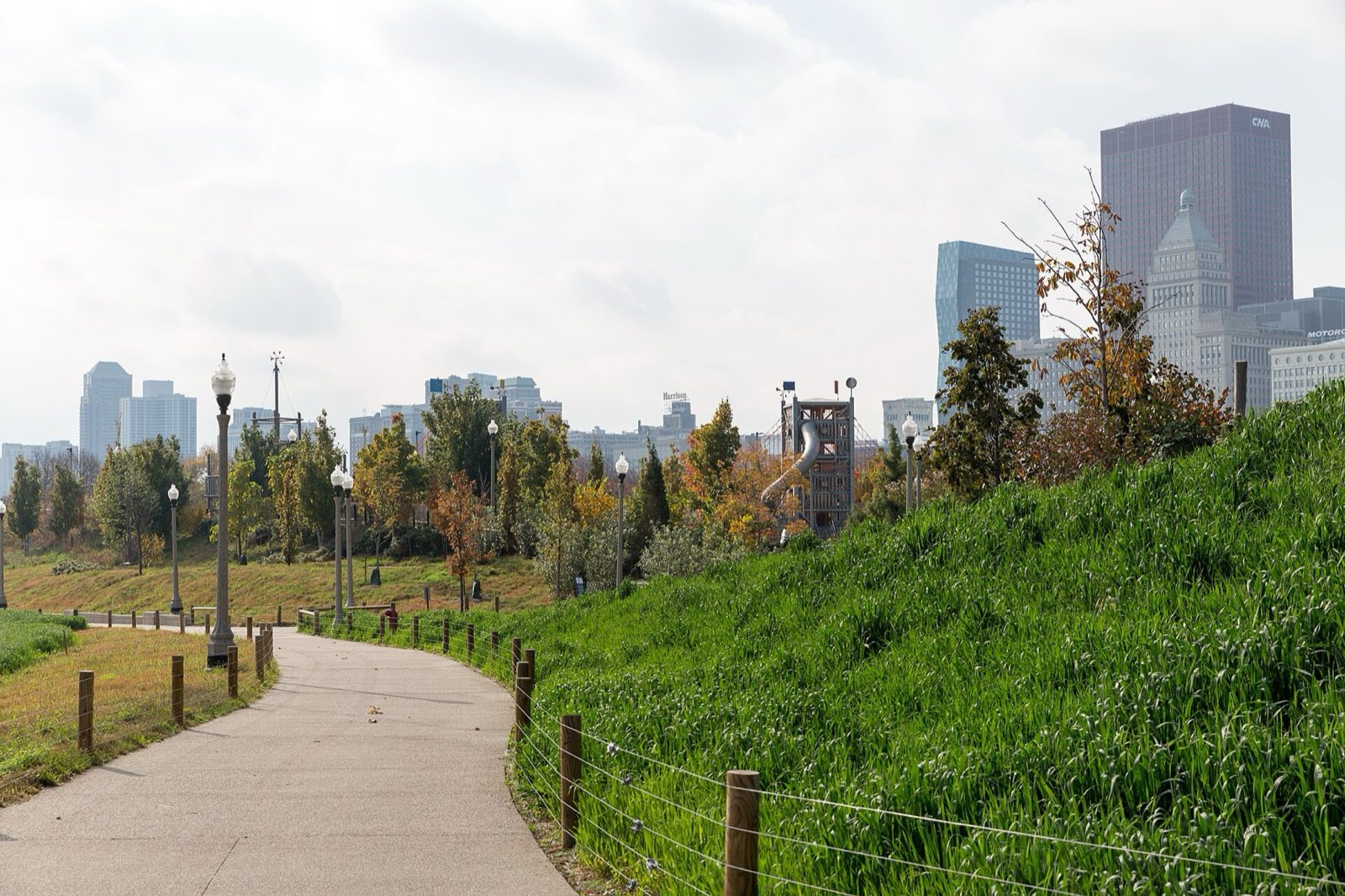
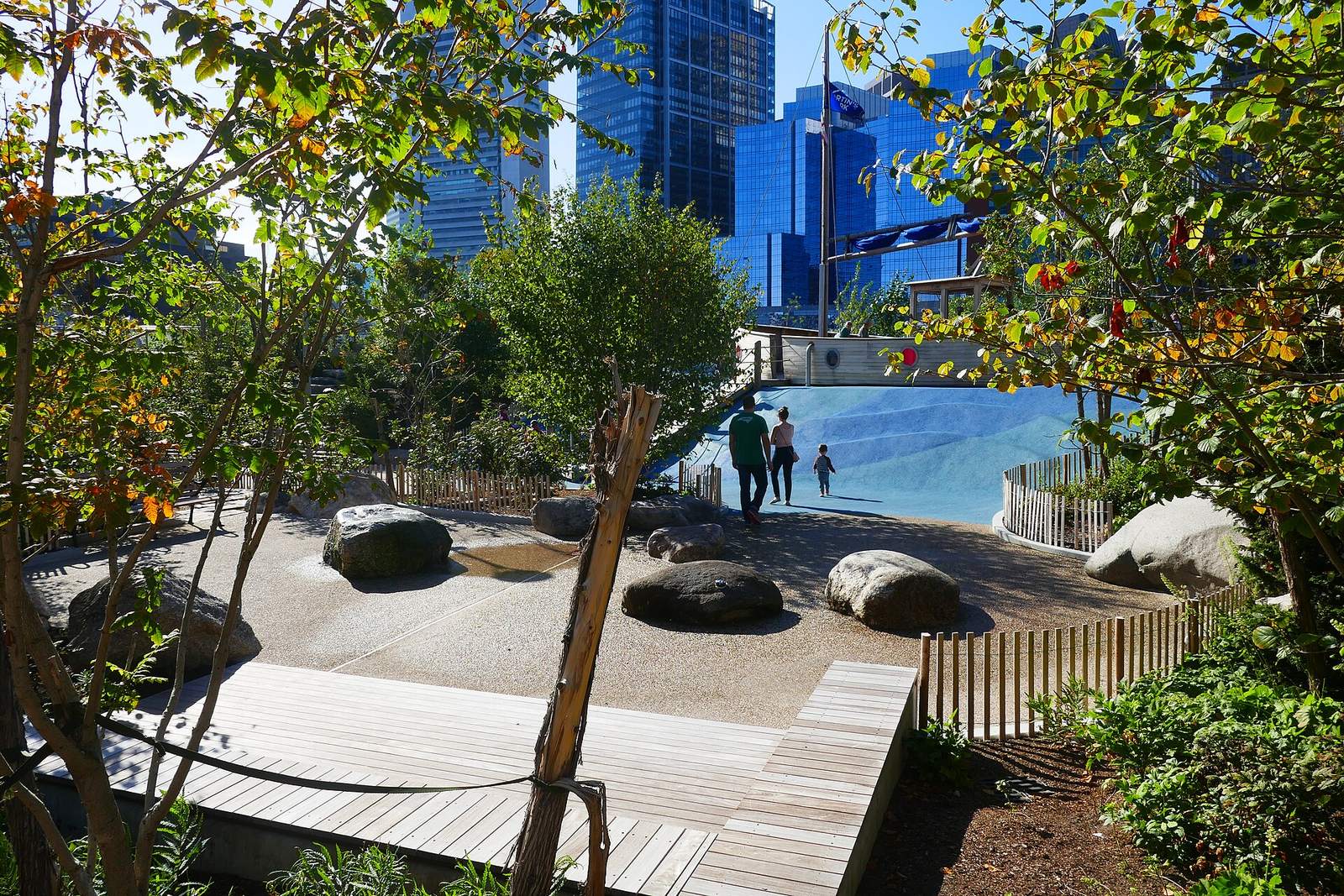
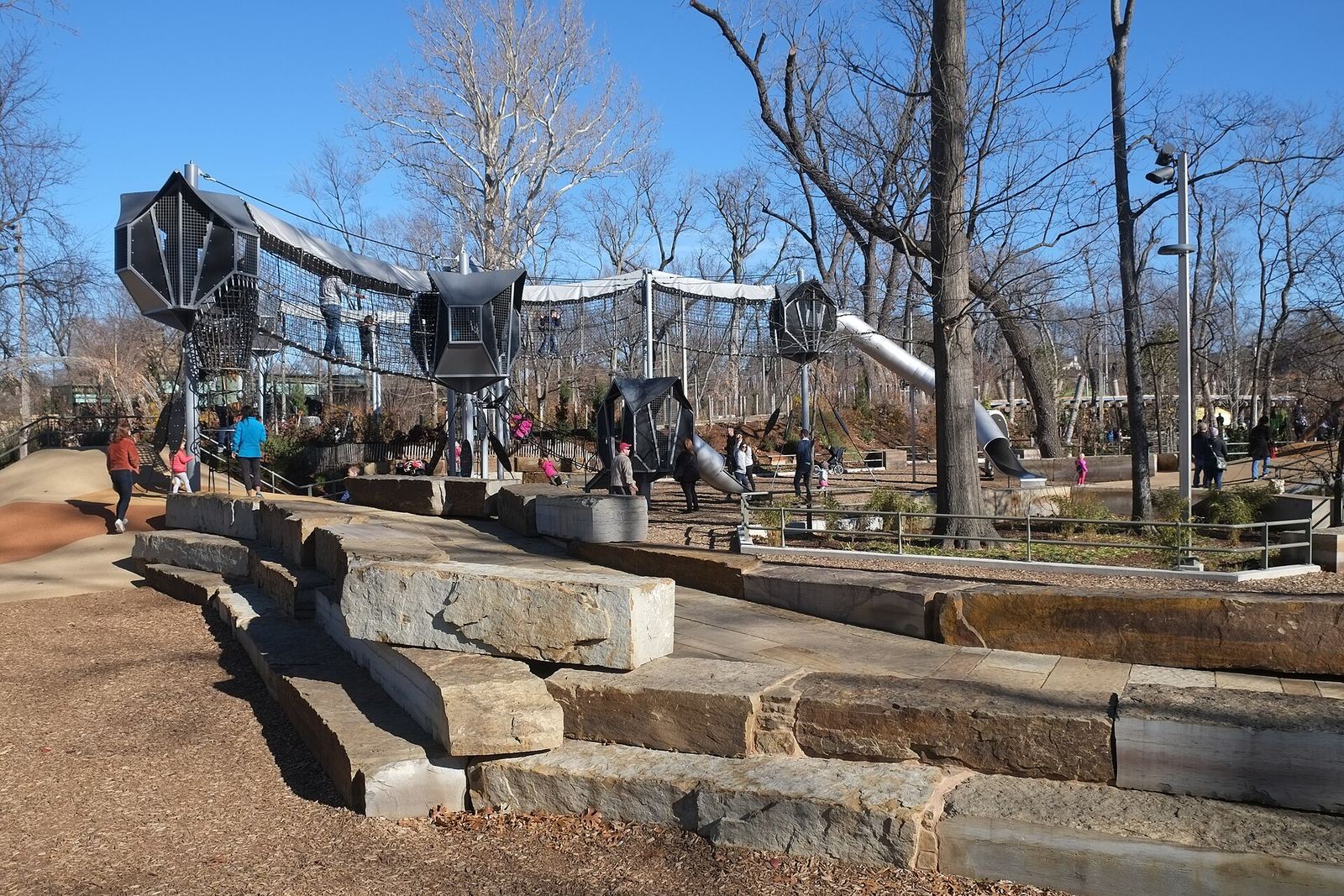
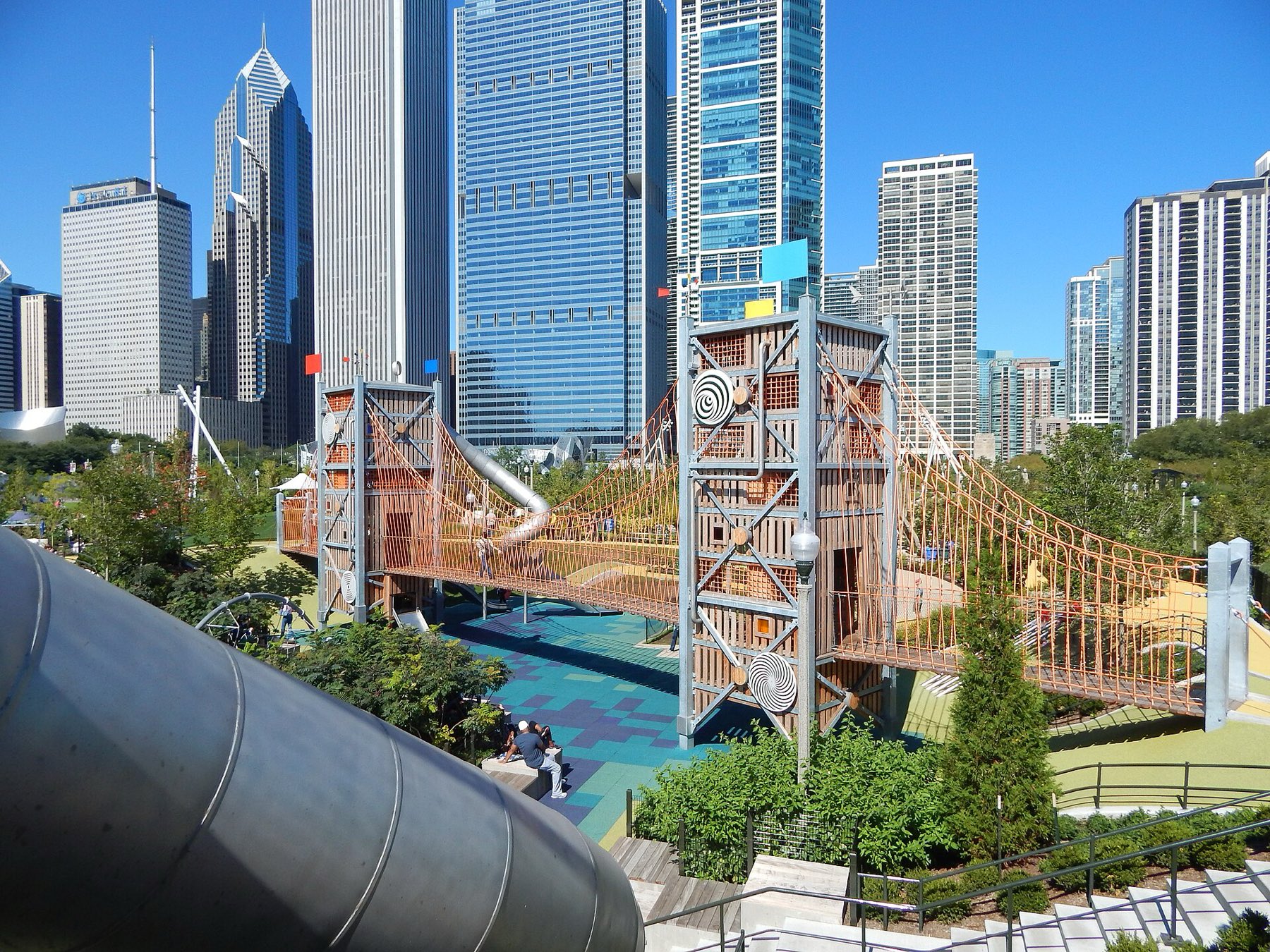
Maggie Daley Park's Play Garden shows Chicagoans what terrain and rope towers can do. A school-sized version with neighborhood seating and loose parts would be different from it.
Schools
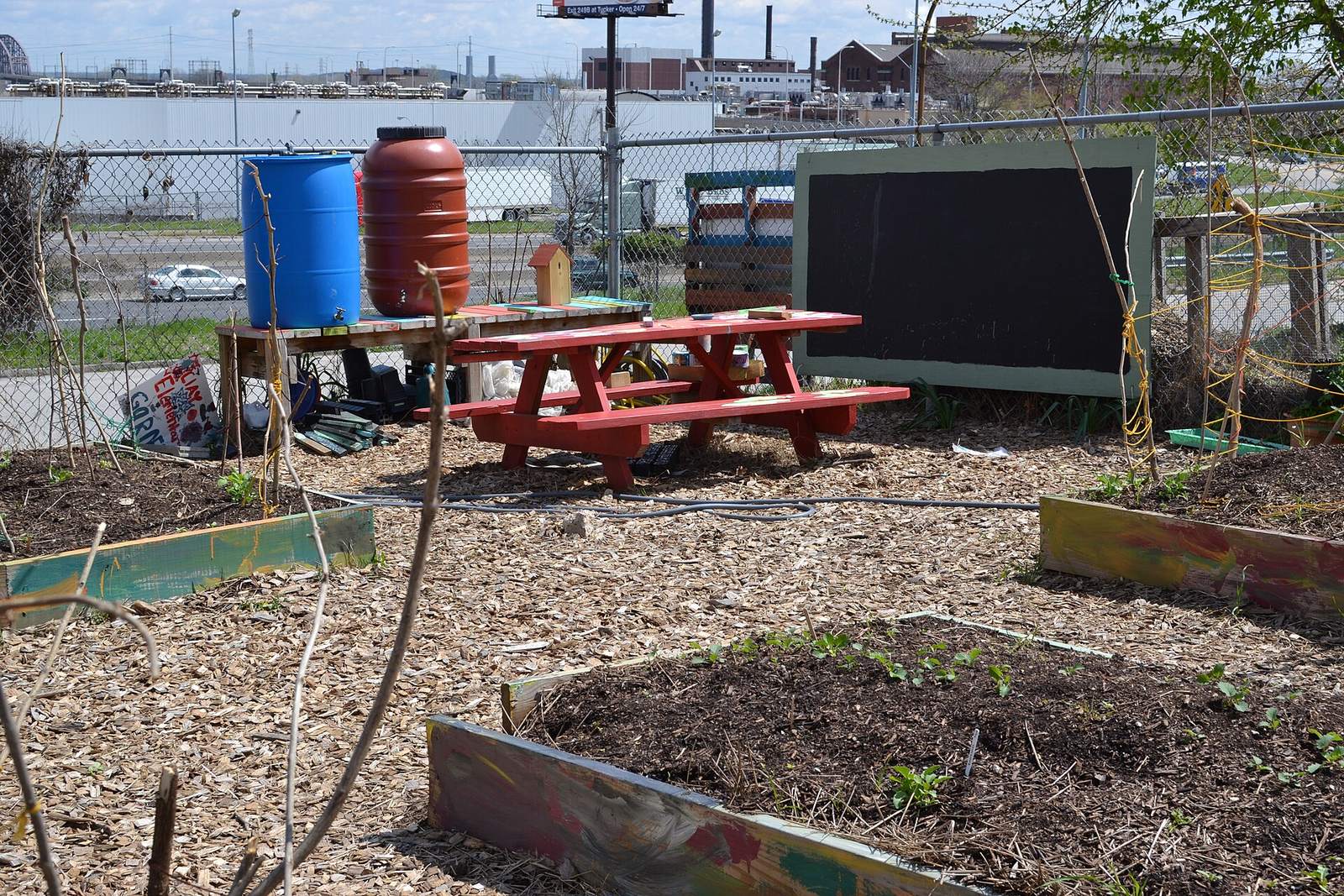
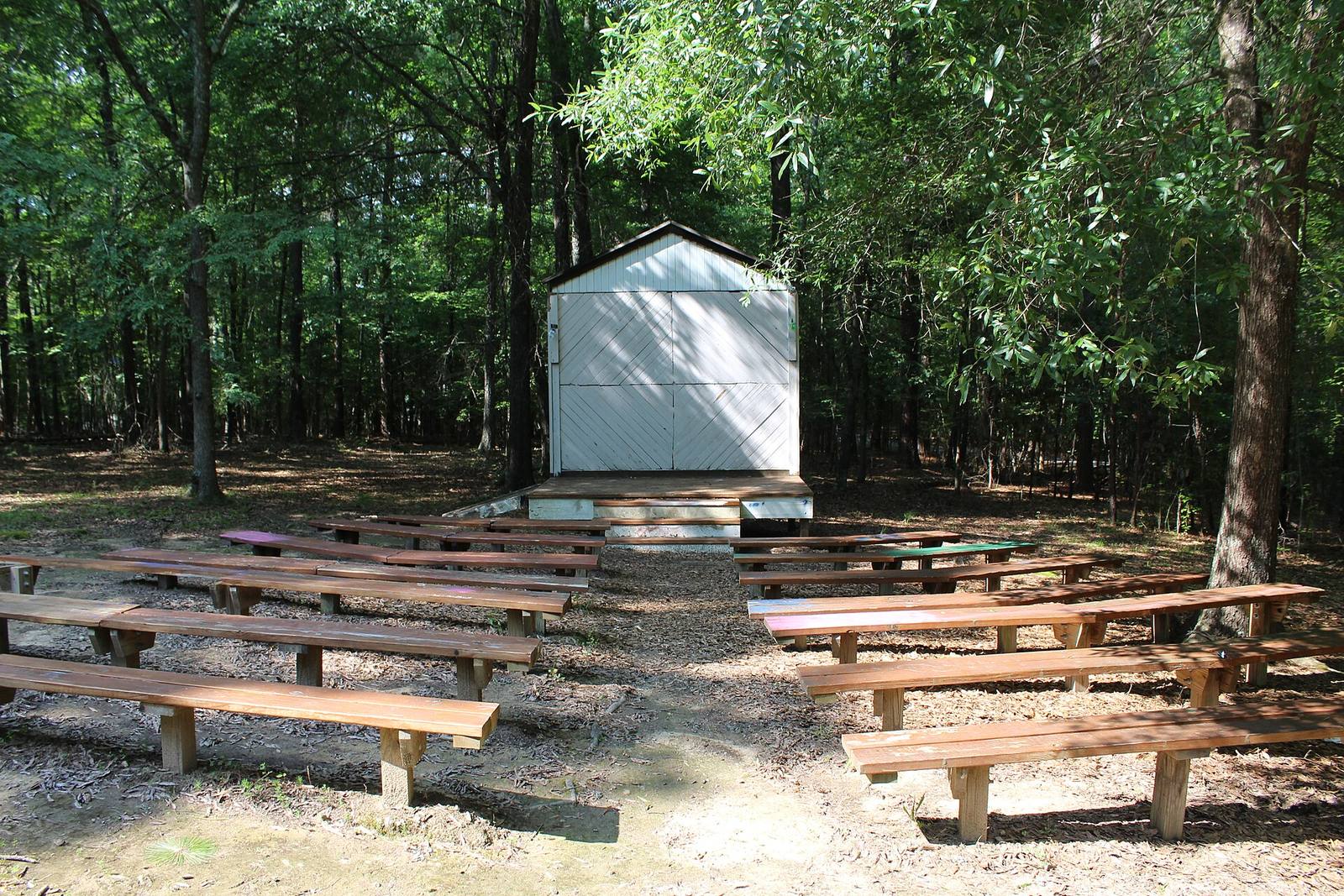
Few well-documented schoolyard transformations have freely licensed photos. Add photos of Chicago schoolyards the team likes.
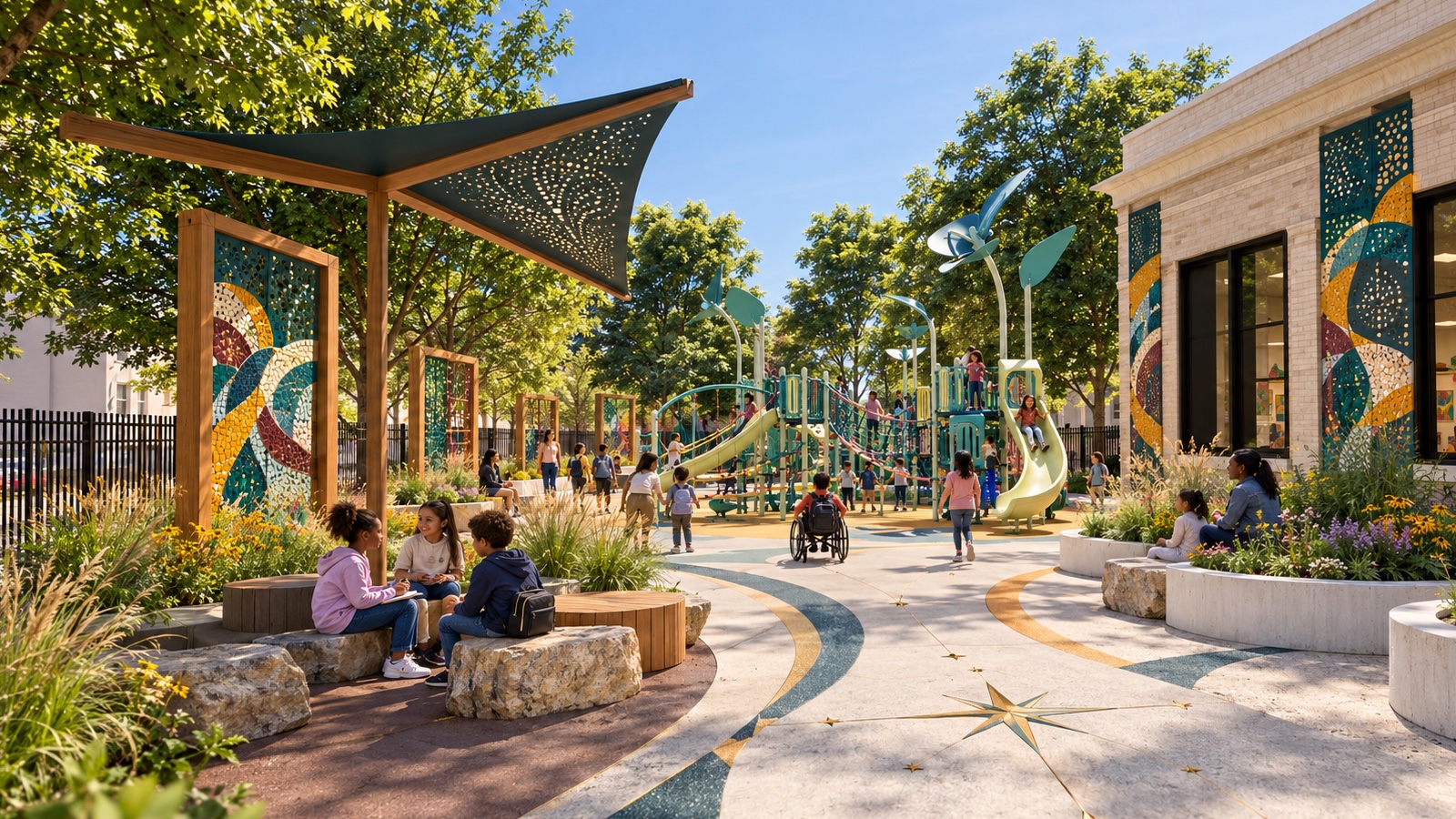
Concept illustration of student-made art and route markers woven through the Tubman play landscape
Concept illustration for discussion. One way this idea could look at Tubman.

What would make it unique in Chicago

Chicago has excellent large parks. What a school-scale site could add is a combination of things that is uncommon at a single neighborhood school. This list is a hypothesis to check against a survey of local playgrounds.

  • Terrain and rope towers at neighborhood scale

    Maggie Daley Park and other big Chicago sites show what landforms can do. A landmark sized for a school block, with a broad route to the top, is a different thing.

  • A school yard that is also a neighborhood park

    Seating, water, tables, lighting, and gates designed for evenings and weekends from the start.

  • A swing bay with many kinds of seats

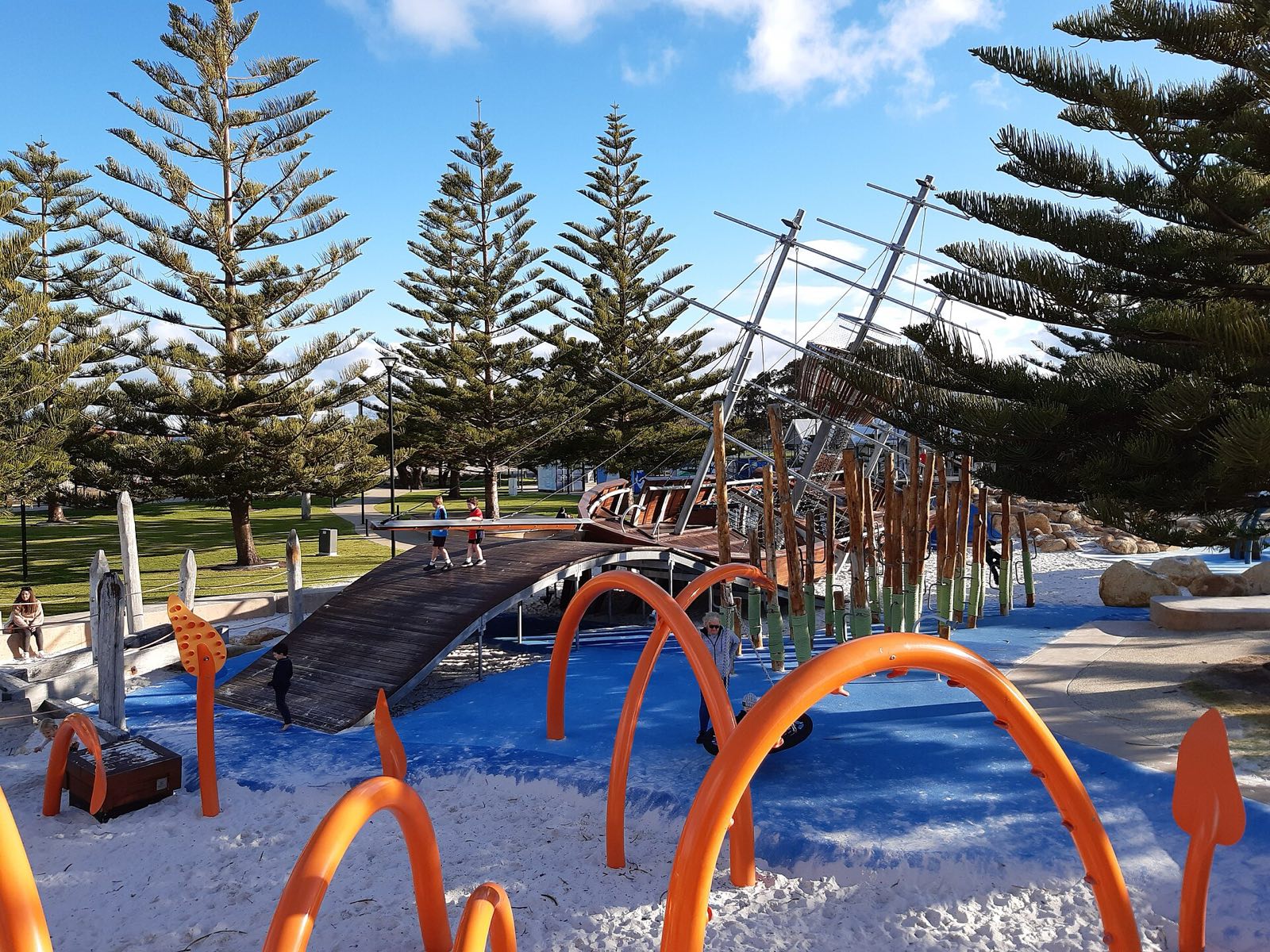
    Adventure and nature playgrounds in Sweden, New Zealand, and Australia group several swing types together. Few Chicago schoolyards do.

  • Loose parts with real storage

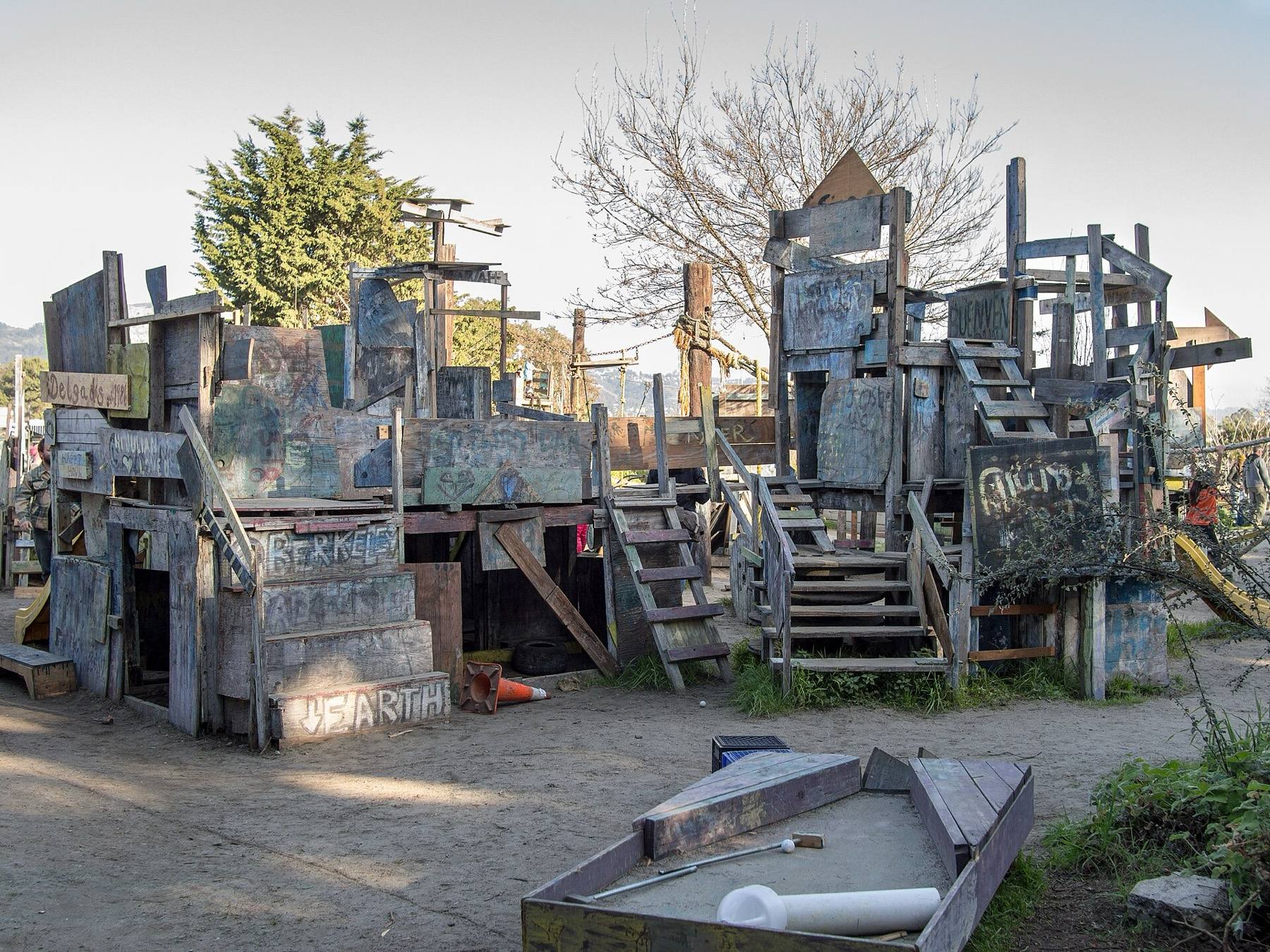
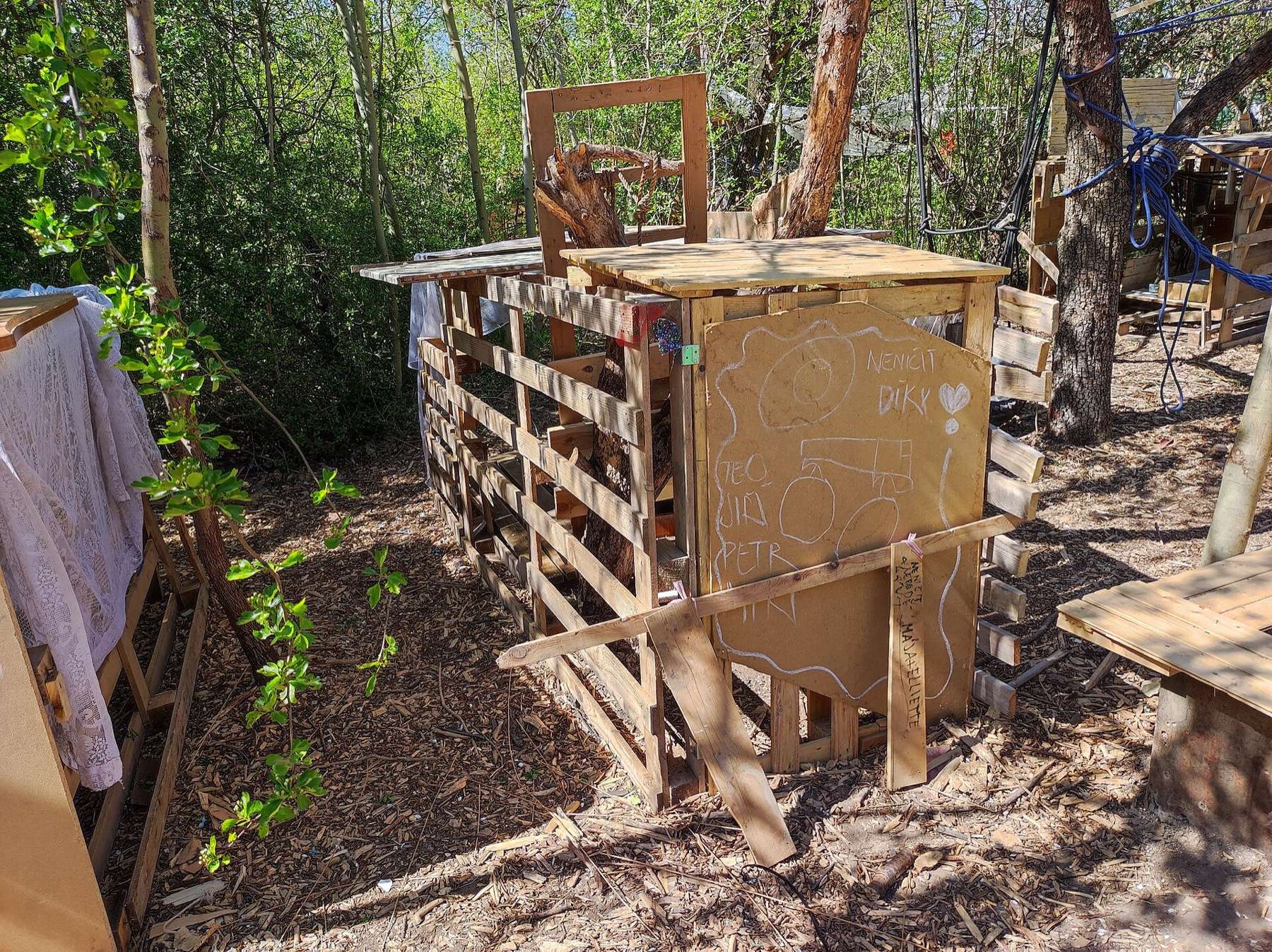
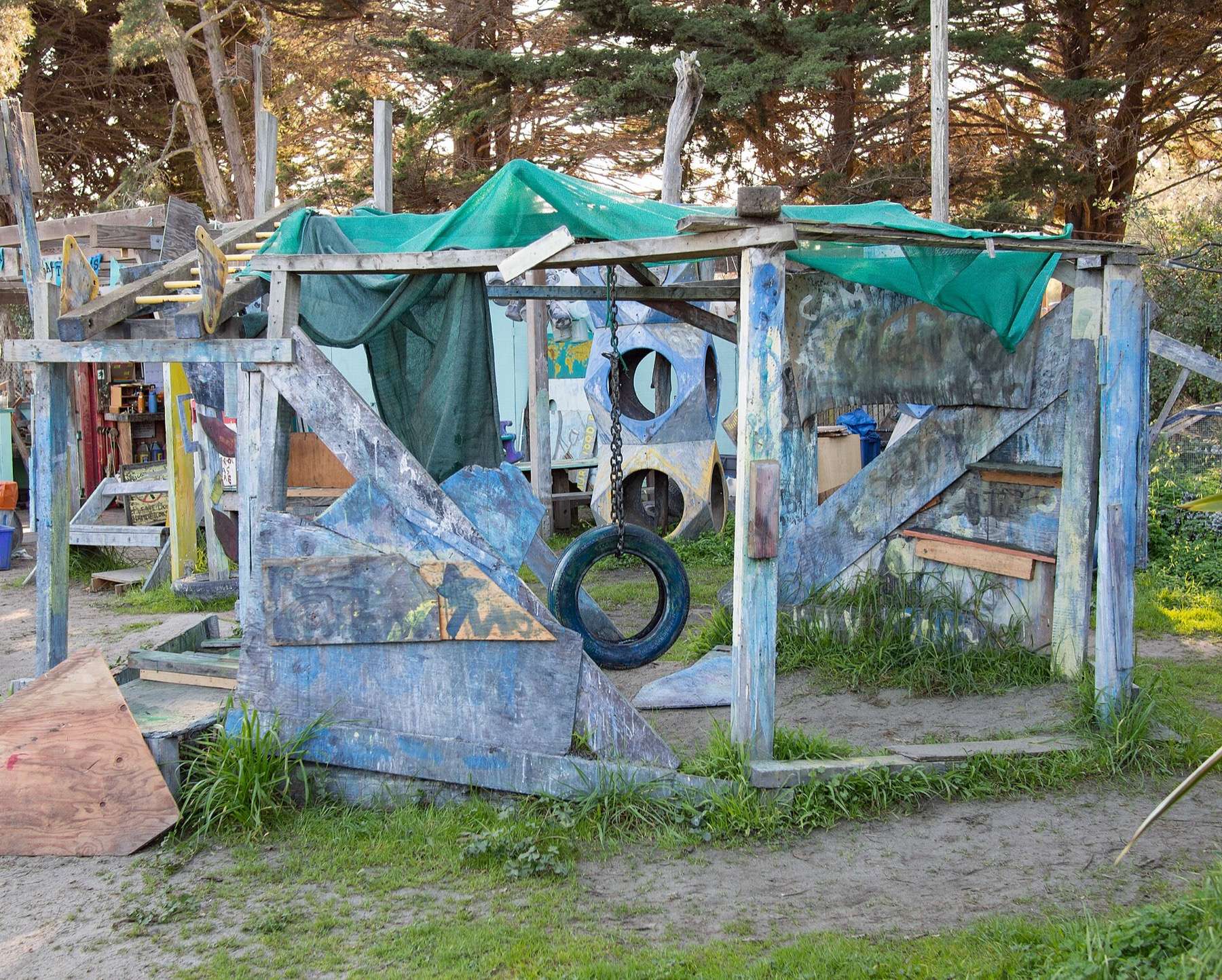
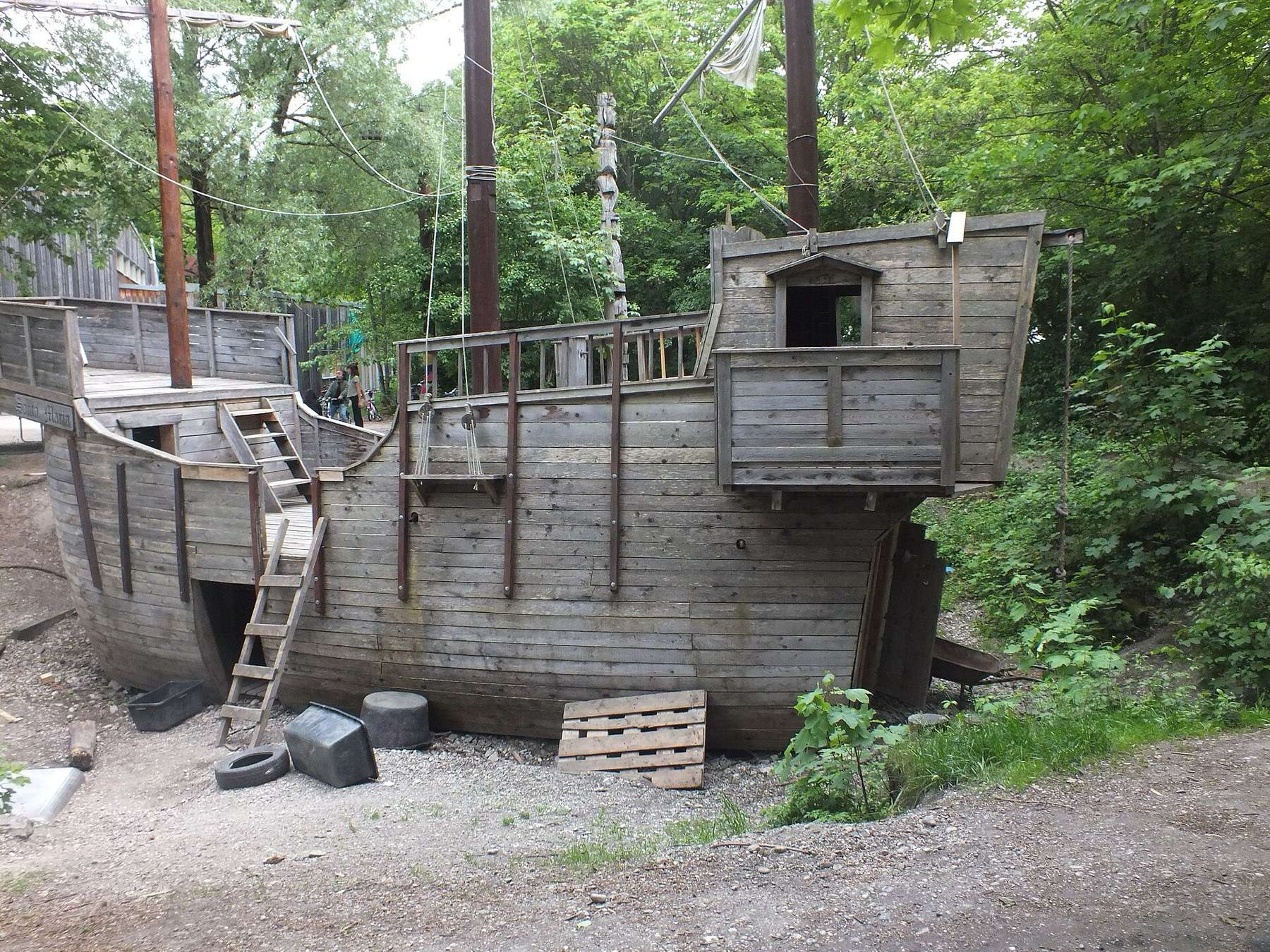
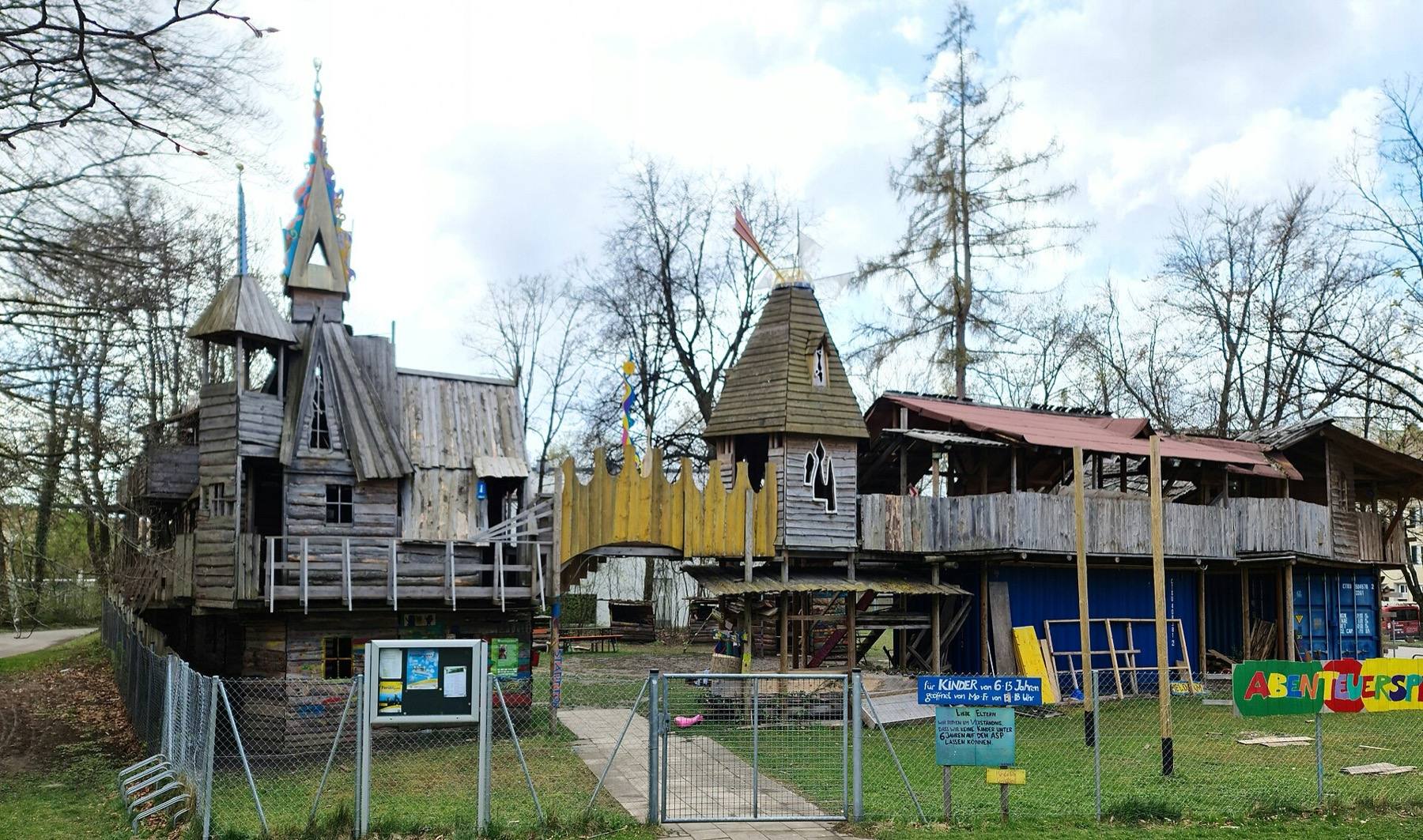
    Adventure playgrounds in Berkeley, Prague, and Munich run on planks, tools, and staff. A small version would be an unusual thing at a CPS school.

  • Student-made identity

    Paving, seats, and markings drawn by Tubman students and community historians, along with the music theme the school already has.

The budget picture

The Friends of Tubman goal is about $1 million, so this is a plan for roughly $1 million. The question is how far $1 million goes. The evidence below shows where a landscape approach can save money, where it cannot, and what still has to be priced.
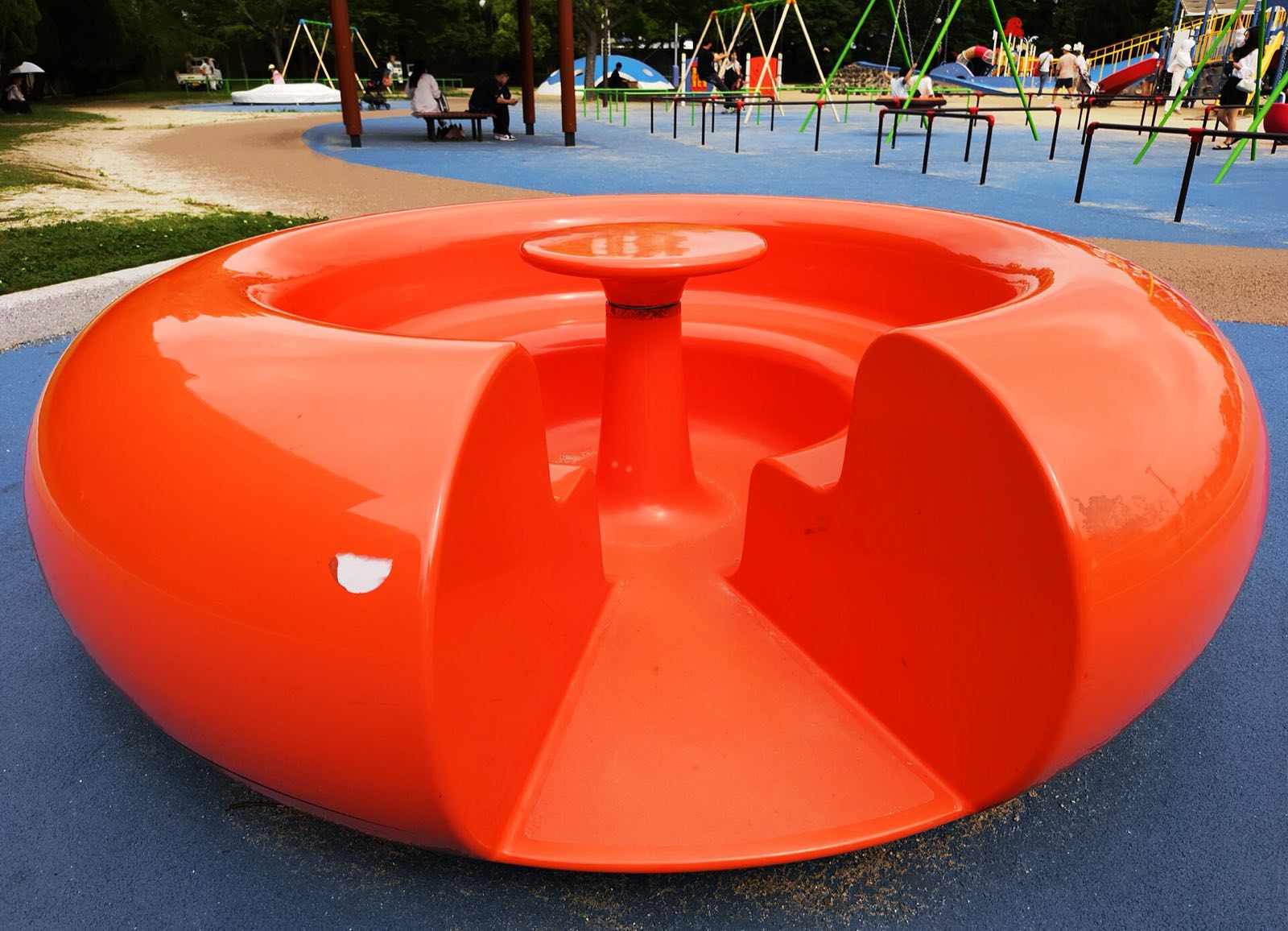
Surfacing is the biggest lever

Vendor price lists put poured-in-place rubber at about $16 to $25 per square foot installed. Engineered wood fiber runs about $1.50 to $3.00. On 10,000 square feet, that gap is on the order of $100,000 or more, and it can be reallocated to shade, trees, and terrain.

Reliability: vendor figures, undated, and other guides give wider ranges. Wood fiber needs top-ups, and accessible routes still need firm surfacing. Robertson Surfaces
Natural play areas have been built for $15,000 to $60,000

Boulder and San Francisco built nature-based play areas for roughly $14,000 to $60,000 in materials, using logs and boulders donated by the city and in-house crews.

Reliability: materials only, small areas, and free labor. Design, drainage, permitting, and accessible routes are extra. Children & Nature Network

A loose-parts kit costs hundreds, and staff cost more

Playworks says a basic recess equipment kit costs no more than $300. Its coaching and staffing services run about $18,000 to $65,000 per school per year. A pilot run by existing recess staff could cost much less.

Reliability: nonprofit vendor, undated. Whether existing staff can run it is unverified. Playworks FAQ

Comparisons with Chicago projects

The Chicago Park District lists $250,000 on average for rubber resurfacing with minor equipment. Space to Grow yards run about $1.5 million each, but that includes stormwater engineering, turf fields, and tracks. Trust for Public Land's Atlanta schoolyards averaged about $200,000 in 2022 with a lighter scope.

Reliability: municipal and trade-press figures. Scopes differ from Tubman's. Chicago Park District

What we can honestly say

Nothing found so far shows that a nature-based yard costs less than a conventional one of equal scope. The direct comparisons come from vendors, and a Maine school spent $350,000 on a nature-based yard.

What the evidence does support is better play per dollar. Shifting money from rubber and catalog structures to terrain, shade, trees, seating, and loose parts changes what $1 million buys.

The next step is to price the scheme by area, with three local bids and a landscape architect's estimate, before the board votes on anything.

Low-cost moves that change recess early

  • Loose-parts cart

    A starter kit costs hundreds of dollars in materials. Needs storage and a trained adult on the yard. Run it as a semester pilot.

  • Trees

    Openlands TreePlanters gives free young trees to school property, 10 to 40 per grant. Confirm current deadlines. Young trees give little shade for years, so pair them with sails.

  • Logs, boulders, and seating

    Ask city forestry and the Park District for donated logs and boulders. Requires inspection and a safety review of fall zones.

  • Wood fiber or turf where rubber is not needed

    Keep firm, accessible surfacing for routes and destinations, and use cheaper surfaces elsewhere. Budget top-ups.

Funding routes that exist today

  • MWRD Green Infrastructure Partnership

    Reimburses stormwater construction such as rain gardens and permeable surfaces. School districts are eligible, so CPS would be the applicant. Pre-application is due December 15, 2026. It requires a 20 to 30 year maintenance plan. MWRD

  • Space to Grow

    CPS, the city, and MWRD pay for schoolyard redesigns that stay open to the community. Schools are selected by the partners, and no open application was found. Ask whether Tubman can be nominated. Healthy Schools Campaign

  • Openlands TreePlanters

    Free young trees for public land, including school property. Openlands

  • Trust for Public Land and KABOOM!

    Both fund community schoolyards and playspaces. Chicago details and amounts are unconfirmed. TPL and KABOOM!

Still unverified: the CPS approval process for a Friends-funded project on CPS property, how CPS's insurer treats loose parts, and site-level budgets for Berkeley Adventure Playground and The Yard. Full sources are in the project's cost evidence notes.

How it could be laid out and phased

Two rooms with different jobs. The main yard is for independent play at ages 5 to 12. The 2 to 5 area is small, separate, and gentler.

Main yard, ages 5 to 12

  • Landmark mound The centerpiece. Broad accessible route, lookout, hill slide, and a rope or net climb on the steep side.
  • Terrain and balance Logs, boulders, and steppers at the mound's foot, with a wide route and a harder route side by side.
  • Swing and spin bay Belt swings, a nest swing, a supported seat, and a group spinner along one edge.
  • Open court and loop A blank space for games and a looping path for wheels and running, with a few student-designed markings.
  • Edge commons Backed seating, tables, a drinking-water point, and companion space, in both sun and shade.

Separate area, ages 2 to 5

  • Separate fence and gate The 2–5 area is its own room with its own entry, so the rules and schedule can differ.
  • Low terrain A small mound, a low slide, and stepping logs at toddler and preschool height.
  • Sand and water A table or a small channel, close to a shaded seat for caregivers.
  • Ride-on loop A short path for tricycles and push toys.
  • Sensory planting Tough, safe plants that children can touch and smell.
  • Shade Sail or trees over the areas where small children spend the most time.
  1. Phase 1

    Fund the anchor

    Landmark mound with lookout and slide, the main accessible loop, drainage, shade sails over the most-used areas, and seating. Plant trees early so they have time to grow.

  2. Phase 2

    Add variety

    Swing and spin bay, terrain and balance routes, the 2–5 area, and the quiet nooks.

  3. Phase 3

    Add what needs a program

    Loose-parts yard and shed, water play, and student-made art, once staffing is confirmed and the earlier phases are running.

Questions for the board

  1. Which three chapters matter most for Tubman students, and what is missing for the youngest, the oldest, disabled students, and caregivers?
  2. Who supervises recess today, and could the same staff support a landmark mound and a loose-parts pilot?
  3. Will the site be open to the neighborhood after school? Which hours, and who locks the gates?
  4. What is the all-in budget, and which parts should be funded first if the total falls short?
  5. Where should students and families shape the design before the layout is fixed?